


Anchoring – getting it right
If you can set an anchor correctly with confidence and know your boat will be safe in a secure anchorage, then you can rest in comfort and will not need to rely on moorings and marinas when cruising. Anchoring is one of the most important boat handling skills. If you...
Essential yacht tender safety for skippers and crew
Essential yacht tender safety – the dangers inherent in using a dinghy to get ashore from a moored or anchored yacht are all too easily underestimated. A recent experience caused me to have a serious think about essential yacht tender safety. Recently I faced...
Capsize – understanding the risks
A skipper should know how their boat will cope with rough seas. By working within known limits and understanding the risks, then the chances of a capsize occurring are much reduced. Safety is all about improving the odds. When considering the odds of a boat capsizing,...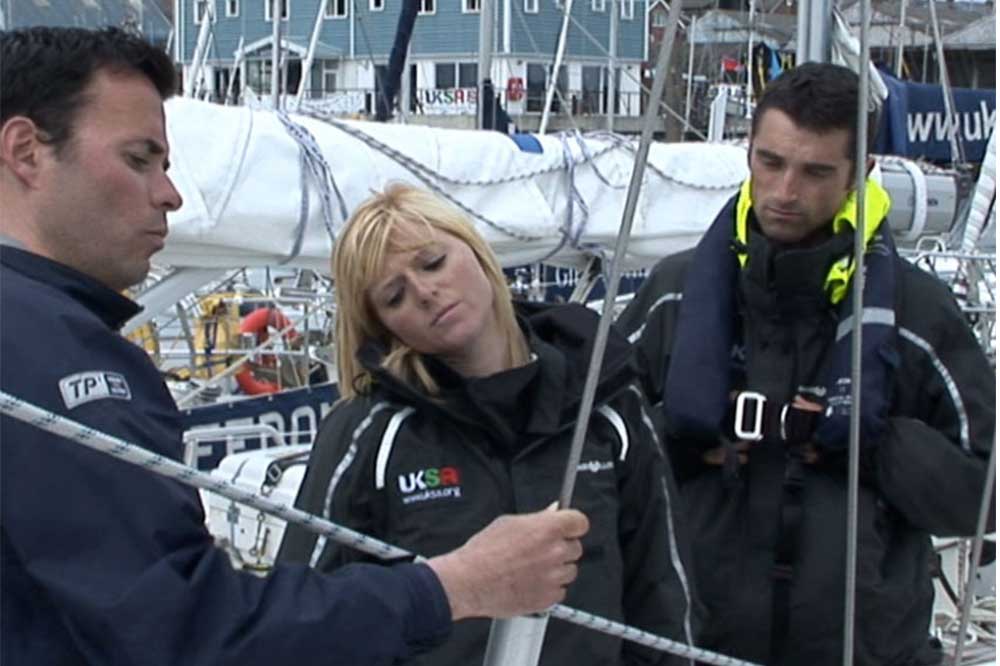
Rig check – how to prevent failure at sea
Regular rig checks prevent the risk of mast and rigging failure at sea. This includes regular rig inspections of the spars, rigging and fittings, especially before a major passage at sea. Most rig failures are caused by poor maintenance and breakage of the... Download from iTunes
Download from Google Play
 Download from iTunes
Download from Google Play
 Download from iTunes
Download from Google Play
 Download from iTunes
Download from Google Play
 Download from iTunes
Download from Google Play
 Download from iTunes
Download from Google Play
 Download from iTunes
Download from Google Play
 Download from iTunes
Download from Google Play

💡 Staring at a strange light configuration in the dark? 🌙 Don't guess—be certain.![]()
![]() Keep every Nav Light and Shape at your fingertips with the Safe Skipper App. Perfect for on-the-go reference or brushing up on your ColRegs before your next passage. ⚓️
Keep every Nav Light and Shape at your fingertips with the Safe Skipper App. Perfect for on-the-go reference or brushing up on your ColRegs before your next passage. ⚓️![]()
![]() NO WIFI REQUIRED!!
NO WIFI REQUIRED!!![]()
![]() ➡️ Get the app here: bit.ly/SSNavLights
➡️ Get the app here: bit.ly/SSNavLights
𝗧𝗶𝗽𝘀 𝗳𝗼𝗿 𝗛𝗮𝗻𝗱𝗹𝗶𝗻𝗴 𝗔𝗱𝘃𝗲𝗿𝘀𝗲 𝗪𝗲𝗮𝘁𝗵𝗲𝗿 𝗖𝗼𝗻𝗱𝗶𝘁𝗶𝗼𝗻𝘀 𝗶𝗻 𝗮 𝗦𝗮𝗶𝗹𝗯𝗼𝗮𝘁 including: ![]()
![]() ⚡ Preparation before you sail
⚡ Preparation before you sail![]() ⚡ Techniques for handling your boat
⚡ Techniques for handling your boat![]() ⚡ Manoeuvring in heavy seas
⚡ Manoeuvring in heavy seas![]() ⚡ Heaving to
⚡ Heaving to![]() ⚡ Safety & crew management
⚡ Safety & crew management![]()
![]() Make sure you're well prepared 👉 loom.ly/QMXkAHo
Make sure you're well prepared 👉 loom.ly/QMXkAHo![]()
![]() #sailing #boating #SafeSkipper #safetyatsea #roughseas
#sailing #boating #SafeSkipper #safetyatsea #roughseas

