


Understanding tide tables and tidal curves
No two coastal places have exactly the same tidal pattern. There are many factors that influence this, from the shape of the coastline, the funnelling effect of channels and estuaries, the depth of the sea and the proximity of oceans. The times and heights of tides...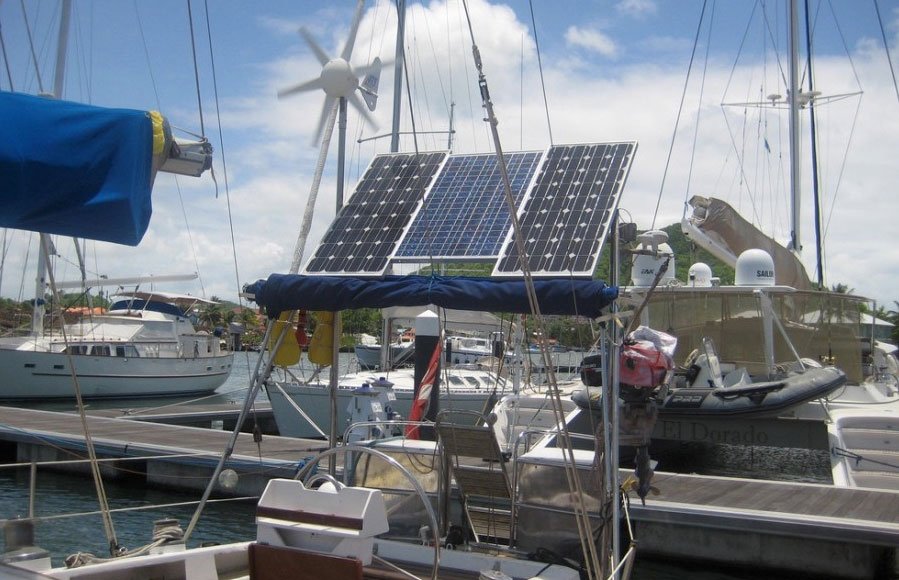
Care of boat batteries
Boat batteries need to be kept properly charged, which means never allowing the batteries to discharge below 50 per cent of their total charge. As well as the batteries themselves, keeping a boat’s charging systems in good shape will also help to keep batteries...
Understanding tides
Understanding tides: a sailor’s guide to tidal ranges and streams If you are used to sailing in tidal waters, you will know that tides can be both a benefit and a hindrance to the sailor. In many ways, the benefits far outweigh the disadvantages as tides can offer the...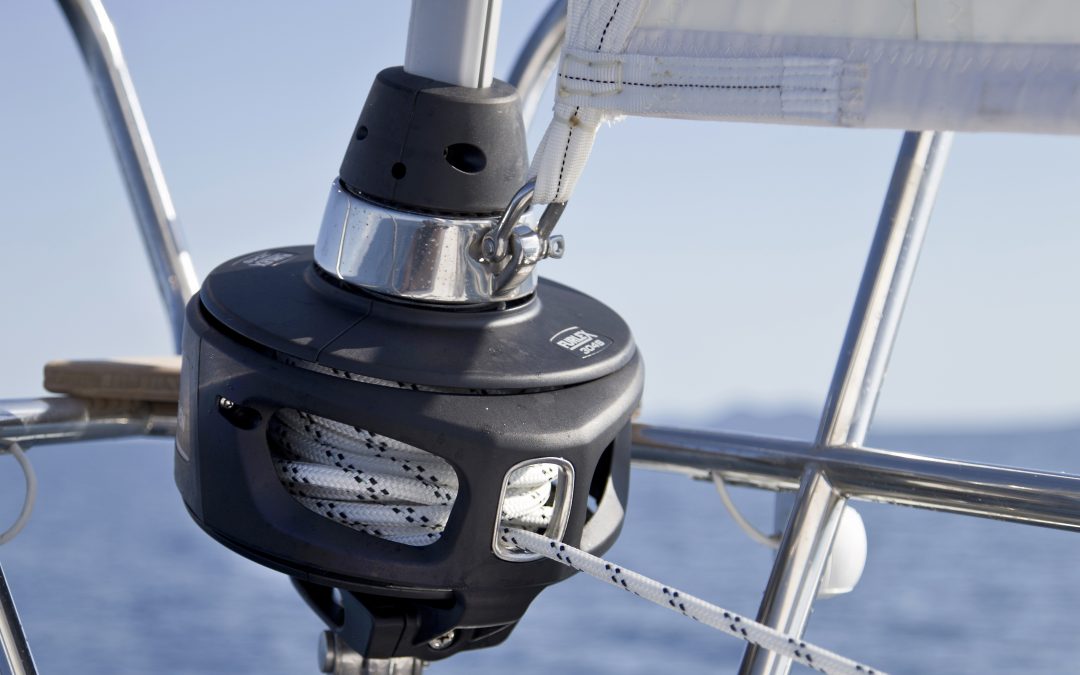
Sailing at the touch of a button
As yachts get bigger, the loads on halyards and sheets increase, meaning the strength needed to manage the sails also increases. Every sailor knows that grinding winches can be hard work, especially when sailing short-handed. It is important to keep winches serviced...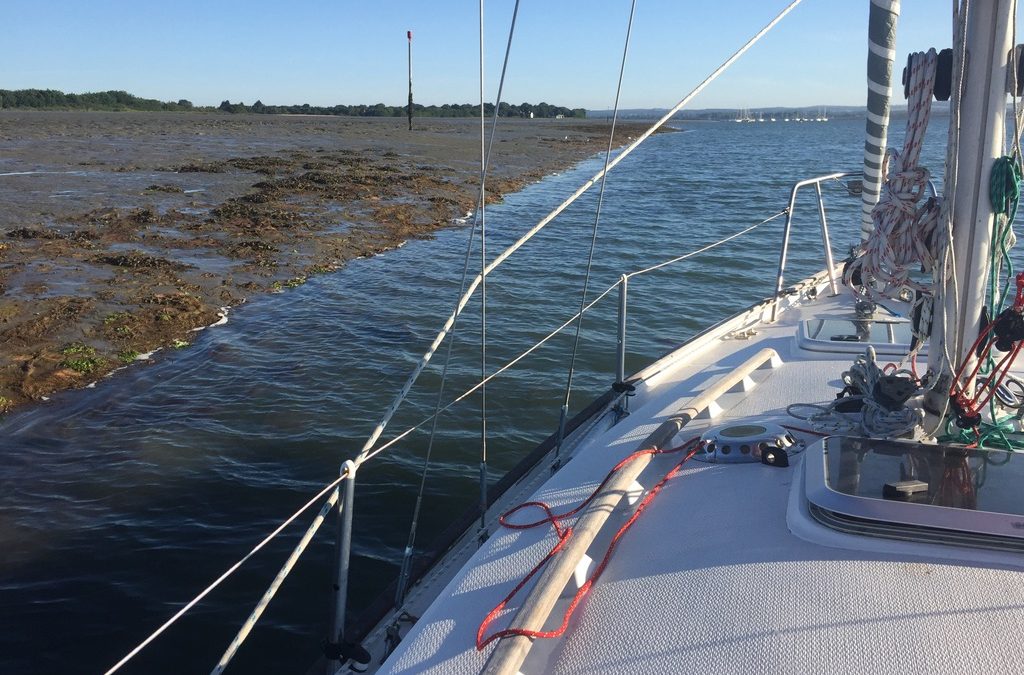
Tidal heights and the rule of twelfths
In our previous article we looked at tidal curves and how we can use them to find the time of a specific height of tide. Following on from this we now take a look at how we calculate a height of tide for a specific time. This is not a complex calculation but it helps...
Distress flares – which flare, how & when to use?
How to use distress flares at sea To effectively use distress flares at sea, you need to understand the different types, their purpose, and the correct deployment procedures. Distress flares should only be used when you are in a situation of grave and imminent danger...
Competent crew skills: arriving and leaving a berth
Skilled boat handling is needed when entering or leaving harbour. Crew tasks include preparing the mooring lines and fenders before docking and tying the boat safely alongside. The crew also prepare the boat for leaving harbour. In order to help avoid any mishap, they...
Dripless shaft seals
As their name implies, dripless shaft seals are designed to completely stop water from entering a boat’s hull via the stern tube. There are two main types of dripless seals known as face seals and lip seals which many boat manufacturers now fit to production...
Navigating the Unknown: Boating in Limited Visibility
“Boating in fog is a test of patience and trust. You have to trust your instruments, your crew, and your own instincts.” Mental preparation is just as important as physical preparation Sailing or Motor Boating in limited visibility, whether due to... Download from iTunes
Download from Google Play
 Download from iTunes
Download from Google Play
 Download from iTunes
Download from Google Play
 Download from iTunes
Download from Google Play
 Download from iTunes
Download from Google Play
 Download from iTunes
Download from Google Play
 Download from iTunes
Download from Google Play
 Download from iTunes
Download from Google Play

This content isn't available right now
When this happens, it's usually because the owner only shared it with a small group of people, changed who can see it or it's been deleted.
⛵ Know your close reach from your broad reach?![]()
![]() ↘️ ↙️ Understanding the points of sail starts with knowing where the wind is coming from. Your boat’s angle to the wind determines how you set your sails to keep them working efficiently.
![]()
![]() From sailing close-hauled to running downwind, our guide explains each point of sail, how to adjust your sails and why you can’t sail directly into the wind.
![]()
![]() Whether you’re learning the ropes or refreshing your knowledge, take a look before your next trip afloat. 🌊
![]()
![]() 👉 Read our guide to Points of Sailing
![]() safe-skipper.com/points-of-sail/
![]()
![]() #SafeSkipper #SailingTips #PointsOfSail #LearnToSail #Sailing

