

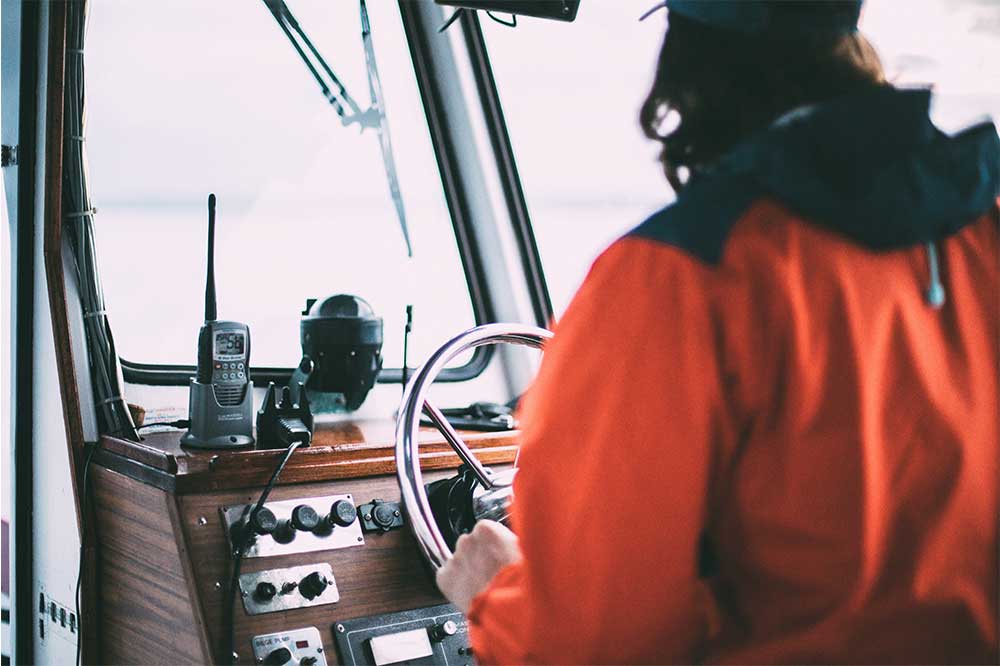
ColRegs Rule 14 – Head-on Situation
ColRegs Rule 14: Head-on Situation (a) When two power-driven vessels are meeting on reciprocal or nearly reciprocal courses so as to involve risk of collision each shall alter her course to starboard so that each shall pass on the port side of the other. (b)...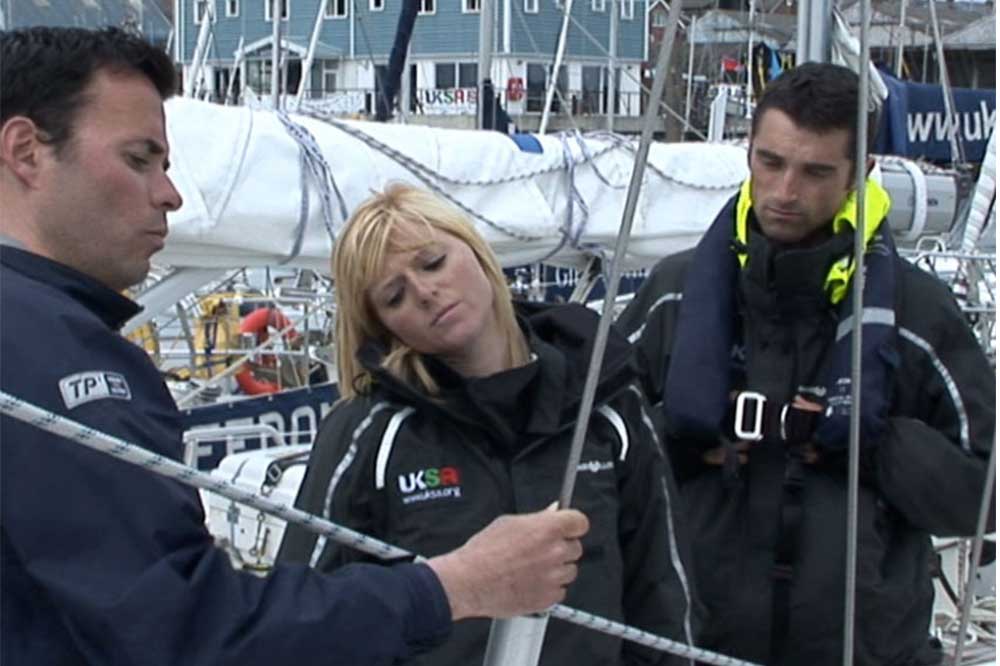
Rig check – how to prevent failure at sea
Regular rig checks prevent the risk of mast and rigging failure at sea. This includes regular rig inspections of the spars, rigging and fittings, especially before a major passage at sea. Most rig failures are caused by poor maintenance and breakage of the...
How to predict wind direction and strength by reading a weather chart
Weather charts, also known as surface pressure or synoptic charts, contain a lot of information that helps weather forecasters make predictions about the weather and sea conditions. Before going to sea it is always a good idea to study weather charts and work out how...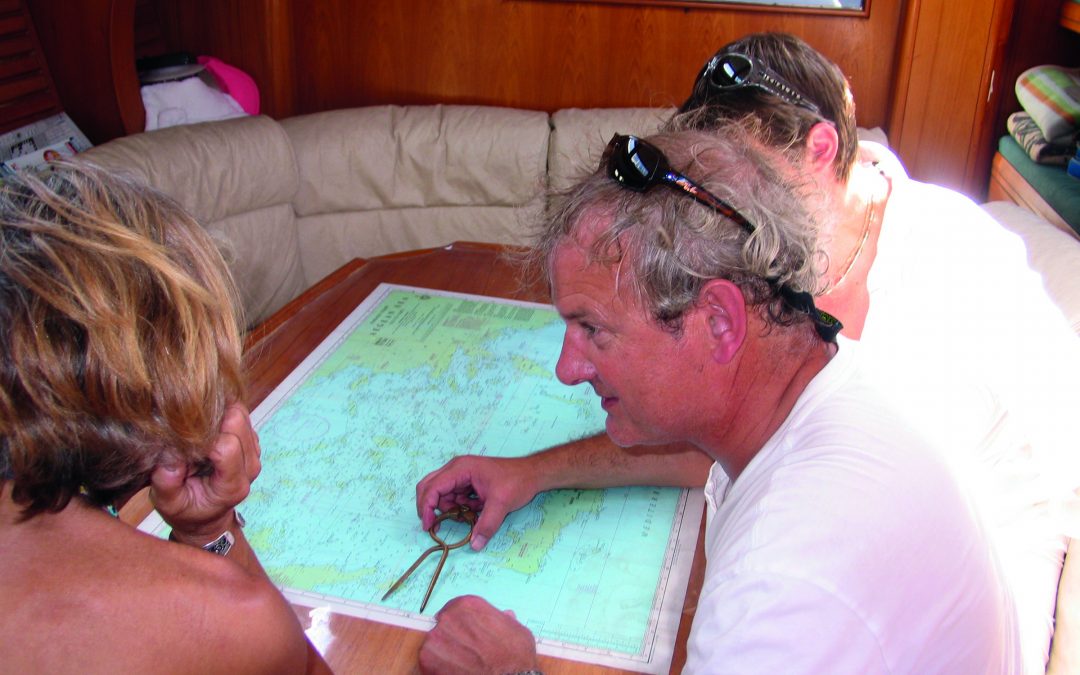
Safety Briefings – leave nothing to chance
Before giving your crew a safety briefing, it is worth considering the specific circumstances of the planned trip, the experience of the crew and their familiarity with the vessel and each other. If the crew already know the drill inside out and you know each other...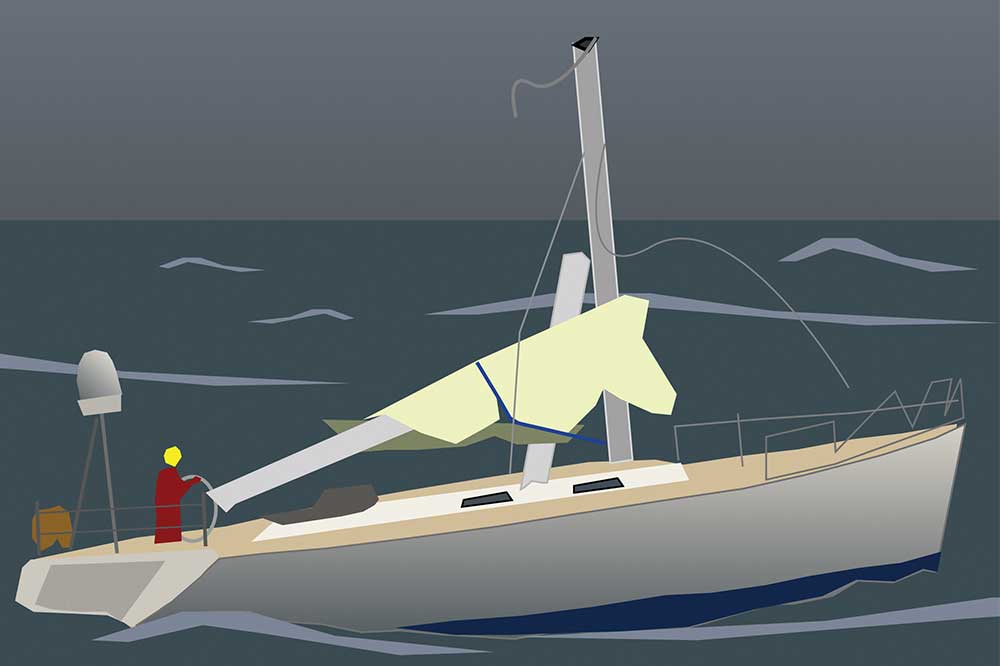
Getting a tow for your sail or power boat at sea or on inland waterways
FREE tips from the Safe Skipper App for iPhone/iPad/Android: Getting a tow for your sail or power boat Plan how to secure a tow rope to your boat. The tow rope must be attached to strong deck fittings As a rescue boat approaches, warn them of any debris or loose lines... Download from iTunes
Download from Google Play
 Download from iTunes
Download from Google Play
 Download from iTunes
Download from Google Play
 Download from iTunes
Download from Google Play
 Download from iTunes
Download from Google Play
 Download from iTunes
Download from Google Play
 Download from iTunes
Download from Google Play
 Download from iTunes
Download from Google Play

Your rudder is your lifeline at sea—don’t wait until it fails to give it attention. ⛵⚠️![]()
![]() ❗Rudder and steering failures are surprisingly common on neglected or heavily worked boats, and losing control offshore can quickly become dangerous.
❗Rudder and steering failures are surprisingly common on neglected or heavily worked boats, and losing control offshore can quickly become dangerous.![]()
![]() Learn how your steering system works, what can go wrong, and the warning signs to look for in our three-part Rudders & Steering Systems series:
Learn how your steering system works, what can go wrong, and the warning signs to look for in our three-part Rudders & Steering Systems series:![]()
![]() 👉👉 bit.ly/SS_Rudder_Steering
👉👉 bit.ly/SS_Rudder_Steering![]()
![]() A few preventative checks today could save you from a serious emergency tomorrow.
A few preventative checks today could save you from a serious emergency tomorrow.![]()
![]() #Sailing #BoatMaintenance #Yachting #BoatingSafety #SafeSkipper
#Sailing #BoatMaintenance #Yachting #BoatingSafety #SafeSkipper
🚤 Jet skis are now officially bound by the "Rules of the Road".![]()
![]() The UK's new MCA Sport & Pleasure Code is being phased in, bringing an important change for everyone on the water: personal watercraft must now comply with the International Collision Regulations (ColRegs).
The UK's new MCA Sport & Pleasure Code is being phased in, bringing an important change for everyone on the water: personal watercraft must now comply with the International Collision Regulations (ColRegs).![]()
![]() If you share busy waterways with jet skis, it's worth knowing what this means.
If you share busy waterways with jet skis, it's worth knowing what this means.![]()
![]() Read more in this RYA article 👉 loom.ly/xsFL32w
Read more in this RYA article 👉 loom.ly/xsFL32w![]()
![]() #Boating #JetSki #ColRegs #BoatSafety #RYA #SafeSkipper
#Boating #JetSki #ColRegs #BoatSafety #RYA #SafeSkipper

