

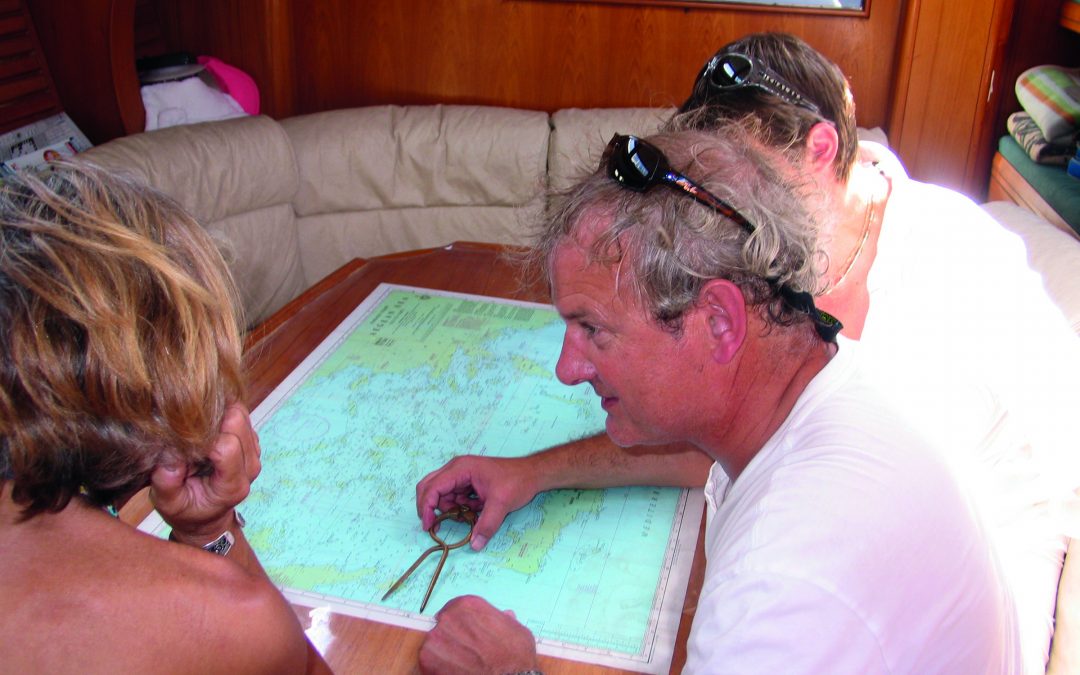
Safety Briefings – leave nothing to chance
Before giving your crew a safety briefing, it is worth considering the specific circumstances of the planned trip, the experience of the crew and their familiarity with the vessel and each other. If the crew already know the drill inside out and you know each other...
Boat Engine Failure – what to check
Engine failure If your engine fails or is overheating there are a number of things to check immediately: • Air filter blocked – check, clean or replace • Cooling water low – fill when engine is cold. Check for leaking hoses • Exhaust pipe blocked • Fuel...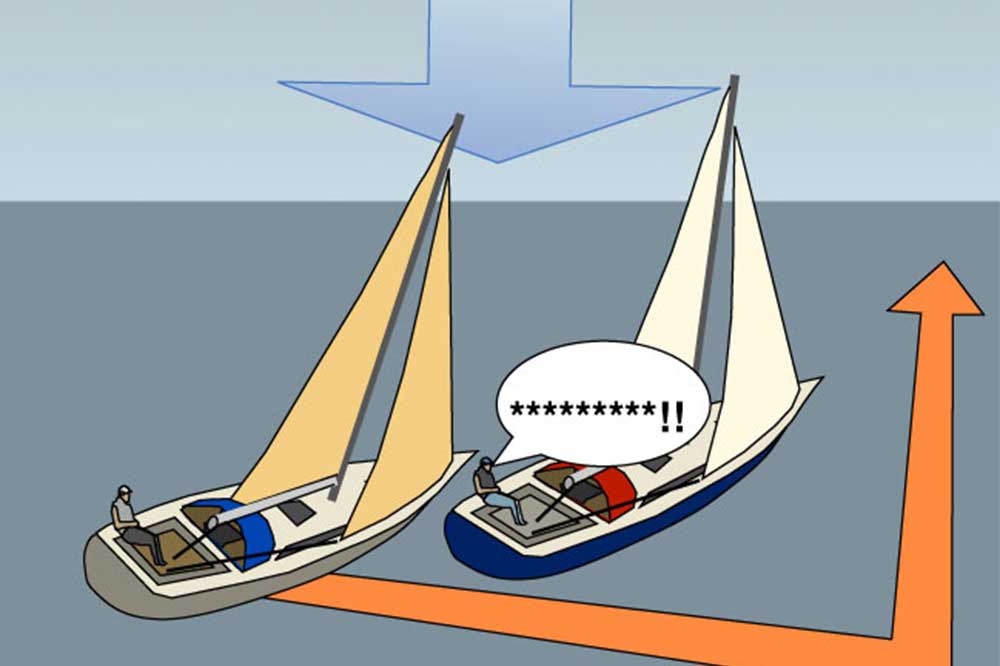
Boating Rules of the Road – International ColRegs
International ColRegs Rule 7: Risk of Collision Anyone who is responsible for a vessel at sea, from the smallest dinghy to an ocean going supertanker, must be able to recognise other vessels around them day or night, whatever the visibility. They need to...
Man Overboard Drill
How to respond to crew overboard under sail • Keep the MOB in sight • Tack into the heave-to position, do not adjust the headsail sheets • If under spinnaker, alter course to windward and haul sail down immediately • Throw buoyancy to the MOB • Mark MOB with dan buoy...
ColRegs when sailing single handed
Don’t neglect the Colregs when sailing single handed Sailing single-handed represents several challenges for skippers, not least how to manage sleep, keep watch at all times, and avoid breaching IRPCS Colregs Rule 5. If you can’t keep a look out whilst... Download from iTunes
Download from Google Play
 Download from iTunes
Download from Google Play
 Download from iTunes
Download from Google Play
 Download from iTunes
Download from Google Play
 Download from iTunes
Download from Google Play
 Download from iTunes
Download from Google Play
 Download from iTunes
Download from Google Play
 Download from iTunes
Download from Google Play

🛠️ 𝗠𝗮𝘀𝘁𝗲𝗿 𝘆𝗼𝘂𝗿 𝗺𝗮𝗿𝗶𝗻𝗲 𝗱𝗶𝗲𝘀𝗲𝗹 𝗲𝗻𝗴𝗶𝗻𝗲!![]()
![]() Gain the confidence to handle maintenance and make necessary repairs yourself. This essential skill is easier to acquire than you think.
Gain the confidence to handle maintenance and make necessary repairs yourself. This essential skill is easier to acquire than you think.![]()
![]() ➡️ Get the basics and next steps here: safe-skipper.com/learning-about-diesel-engine-maintenance
➡️ Get the basics and next steps here: safe-skipper.com/learning-about-diesel-engine-maintenance![]()
![]() #DieselEngineMaintenance #boating #yachting #sailing
#DieselEngineMaintenance #boating #yachting #sailing
This content isn't available right now
When this happens, it's usually because the owner only shared it with a small group of people, changed who can see it or it's been deleted.
