


Pre-start engine checks
According to the Royal National Lifeboat Institution (RNLI) almost one third of emergency call outs at sea are caused by mechanical failure. Many engine breakdowns are avoidable. The best way to avoid a breakdown is to carry out pre-start checks before heading out to...
Understanding tide tables and tidal curves
No two coastal places have exactly the same tidal pattern. There are many factors that influence this, from the shape of the coastline, the funnelling effect of channels and estuaries, the depth of the sea and the proximity of oceans. The times and heights of tides...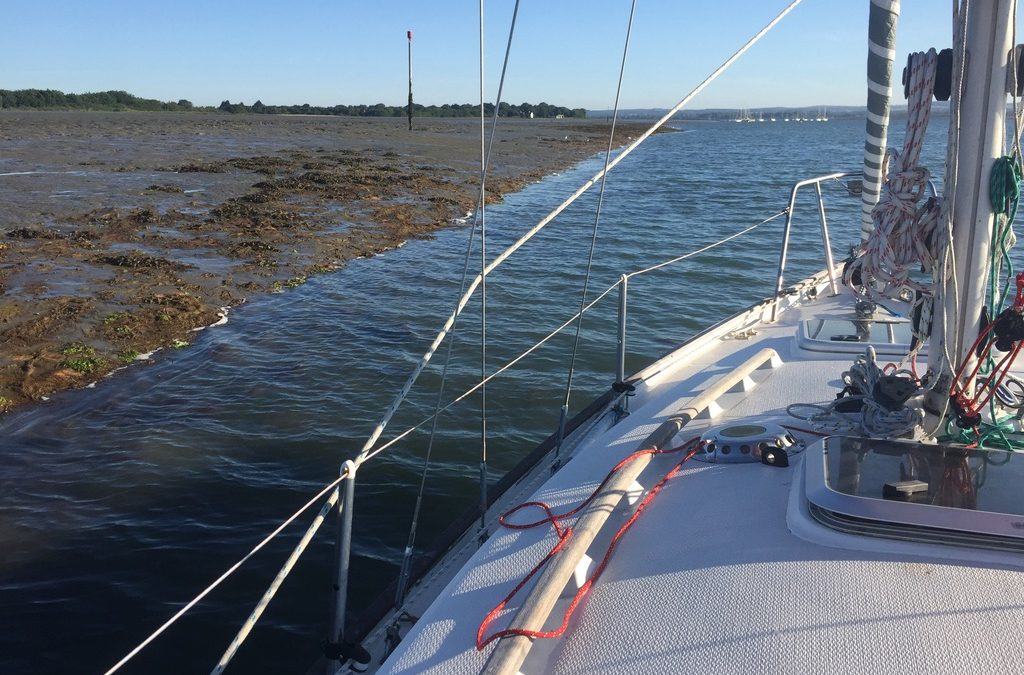
Tidal heights and the rule of twelfths
In our previous article we looked at tidal curves and how we can use them to find the time of a specific height of tide. Following on from this we now take a look at how we calculate a height of tide for a specific time. This is not a complex calculation but it helps...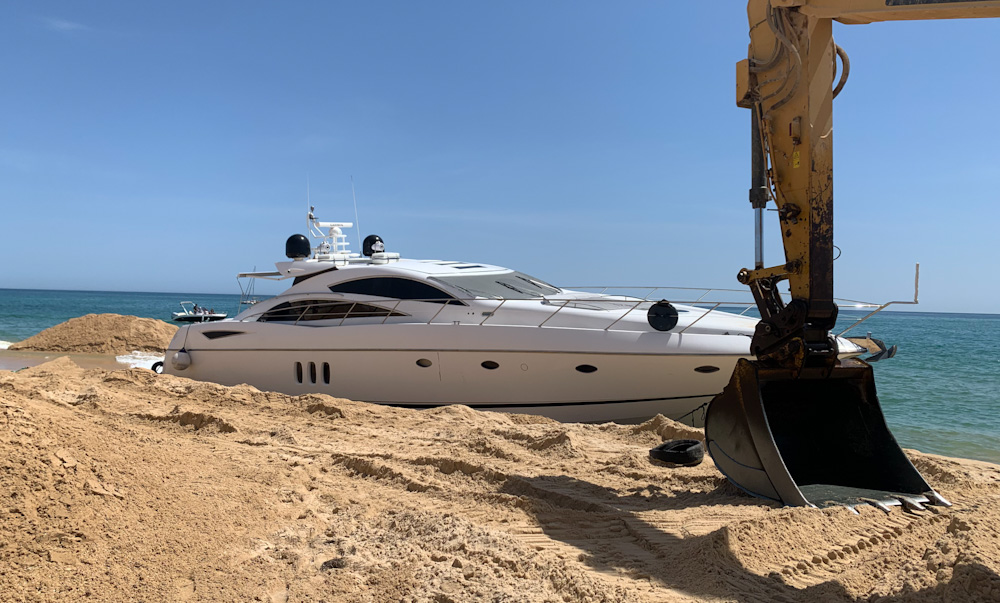
The dangers of running aground in a motor boat
Picture this: you’re out on a serene lake or cruising along a beautiful coastline in your motor boat, enjoying the wind in your hair and the gentle lapping of the water against your vessel. However, amidst the bliss of boating lies a lurking danger –... Download from iTunes
Download from Google Play
 Download from iTunes
Download from Google Play
 Download from iTunes
Download from Google Play
 Download from iTunes
Download from Google Play
 Download from iTunes
Download from Google Play
 Download from iTunes
Download from Google Play
 Download from iTunes
Download from Google Play
 Download from iTunes
Download from Google Play

❗If you’re looking to build confidence and stay safer on the water, the 𝗦𝗔𝗙𝗘 𝗦𝗞𝗜𝗣𝗣𝗘𝗥 𝗕𝗟𝗢𝗚 is a great place to start!![]()
![]() ⚓ Clear, practical guidance on real-world boating situations - from navigation and seamanship to handling emergencies and improving overall preparedness at sea.
⚓ Clear, practical guidance on real-world boating situations - from navigation and seamanship to handling emergencies and improving overall preparedness at sea.![]()
![]() ✅ Straightforward, experience-based advice you can actually apply on the water.
✅ Straightforward, experience-based advice you can actually apply on the water.![]() ✅ Tips and insights designed to help you make better decisions
✅ Tips and insights designed to help you make better decisions![]() ✅ How to avoid common mistakes
✅ How to avoid common mistakes![]() ✅ Enjoy boating with greater peace of mind
✅ Enjoy boating with greater peace of mind![]()
![]() Explore the full range of articles and improve your boating knowledge here:
Explore the full range of articles and improve your boating knowledge here:![]() ➡️ safe-skipper.com/blog
➡️ safe-skipper.com/blog![]()
![]() #sailing #boating #yachting #boatmaintenance #SafeSkipper #safetyatsea -
#sailing #boating #yachting #boatmaintenance #SafeSkipper #safetyatsea -
Performance vs. Practicality: The ultimate yacht buyer's dilemma! ⛵️👇![]()
![]() Choosing a keel isn't just about design theory - it dictates how your boat handles the sea state and whether you'll get stuck in shallow harbours!
Choosing a keel isn't just about design theory - it dictates how your boat handles the sea state and whether you'll get stuck in shallow harbours!![]()
![]() 🔹 Fin Keel: Fast and nimble, but deep draft.
🔹 Fin Keel: Fast and nimble, but deep draft.![]() 🔹 Long Keel: Rock-solid tracking, but less responsive.
🔹 Long Keel: Rock-solid tracking, but less responsive.![]() 🔹 Bilge/Lifting Keel: Perfect for tidal drying, but comes with performance trade-offs.
🔹 Bilge/Lifting Keel: Perfect for tidal drying, but comes with performance trade-offs.![]()
![]() Before you choose your next vessel, make sure you know exactly what you're compromising on. Check out our breakdown on keel design options!
Before you choose your next vessel, make sure you know exactly what you're compromising on. Check out our breakdown on keel design options!![]() ➤➤ www.safe-skipper.com/keel-design-options-consider-choosing-yacht/
➤➤ www.safe-skipper.com/keel-design-options-consider-choosing-yacht/![]()
![]() #sailingtip #boatlife #SafeSkipper #yachtbroker #SailingCommunity
#sailingtip #boatlife #SafeSkipper #yachtbroker #SailingCommunity

