
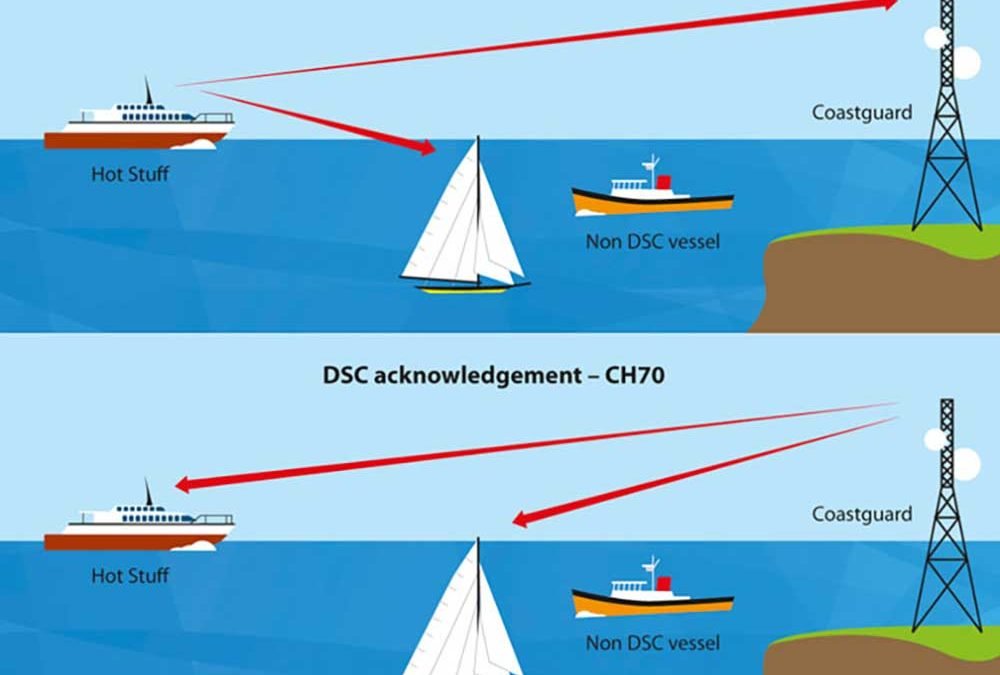

Capsize – understanding the risks
A skipper should know how their boat will cope with rough seas. By working within known limits and understanding the risks, then the chances of a capsize occurring are much reduced. Safety is all about improving the odds. When considering the odds of a boat capsizing,...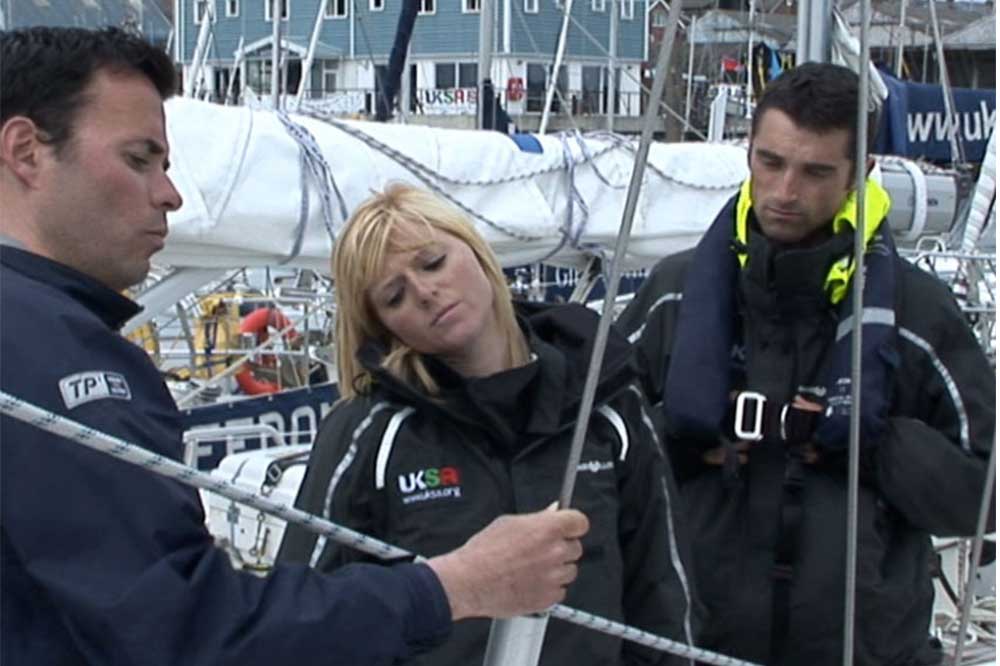
Rig check – how to prevent failure at sea
Regular rig checks prevent the risk of mast and rigging failure at sea. This includes regular rig inspections of the spars, rigging and fittings, especially before a major passage at sea. Most rig failures are caused by poor maintenance and breakage of the fittings...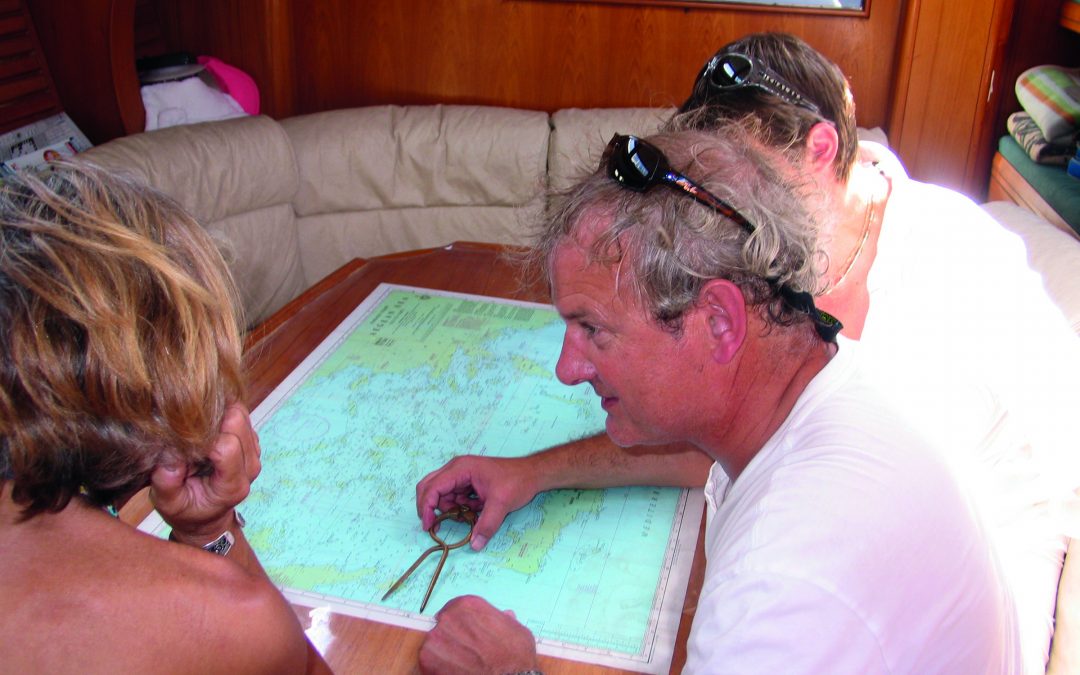
Safety Briefings – leave nothing to chance
Before giving your crew a safety briefing, it is worth considering the specific circumstances of the planned trip, the experience of the crew and their familiarity with the vessel and each other. If the crew already know the drill inside out and you know each other...
Boat Engine Failure – what to check
Engine failure If your engine fails or is overheating there are a number of things to check immediately: • Air filter blocked – check, clean or replace • Cooling water low – fill when engine is cold. Check for leaking hoses • Exhaust pipe blocked • Fuel... Download from iTunes
Download from Google Play
 Download from iTunes
Download from Google Play
 Download from iTunes
Download from Google Play
 Download from iTunes
Download from Google Play
 Download from iTunes
Download from Google Play
 Download from iTunes
Download from Google Play
 Download from iTunes
Download from Google Play
 Download from iTunes
Download from Google Play

✅ Know the rules | Recognise the signals | Make safer decisions![]()
![]() 𝗧𝗵𝗲 𝗖𝗼𝗹𝗥𝗲𝗴𝘀: 𝗖𝗼𝗺𝗽𝗹𝗲𝘁𝗲 𝗖𝗼𝗹𝗹𝗲𝗰𝘁𝗶𝗼𝗻 brings three highly visual learning apps together in one great bundle! Perfect as a training aid too.
𝗧𝗵𝗲 𝗖𝗼𝗹𝗥𝗲𝗴𝘀: 𝗖𝗼𝗺𝗽𝗹𝗲𝘁𝗲 𝗖𝗼𝗹𝗹𝗲𝗰𝘁𝗶𝗼𝗻 brings three highly visual learning apps together in one great bundle! Perfect as a training aid too.![]()
![]() 🚥 Navigation lights and shapes
🚥 Navigation lights and shapes![]() ⚓ Collision-avoidance rules
⚓ Collision-avoidance rules![]() 🔊 Sound and light signals
🔊 Sound and light signals![]() 🛟 IALA buoyage systems A and B
🛟 IALA buoyage systems A and B![]()
![]() Ideal for preparing for Day Skipper, Coastal Skipper, Yachtmaster and other boating qualifications — or for refreshing the knowledge every skipper and crew member needs to maintain.
Ideal for preparing for Day Skipper, Coastal Skipper, Yachtmaster and other boating qualifications — or for refreshing the knowledge every skipper and crew member needs to maintain.![]()
![]() 🌎 Made for seafarers worldwide.
🌎 Made for seafarers worldwide.![]()
![]() Explore the collection on the App Store
Explore the collection on the App Store ![]() ➤➤ loom.ly/UFI6ziI
➤➤ loom.ly/UFI6ziI![]() OR
OR![]() go to Safe-Skipper.com
go to Safe-Skipper.com![]()
![]() #COLREGs #boatingsafety #Navigation #SafeSkipper #NavLights #buoyslights #SafetyAtSea #rulesoftheroad #CollisionAvoidance
#COLREGs #boatingsafety #Navigation #SafeSkipper #NavLights #buoyslights #SafetyAtSea #rulesoftheroad #CollisionAvoidance
This content isn't available right now
When this happens, it's usually because the owner only shared it with a small group of people, changed who can see it or it's been deleted.
