

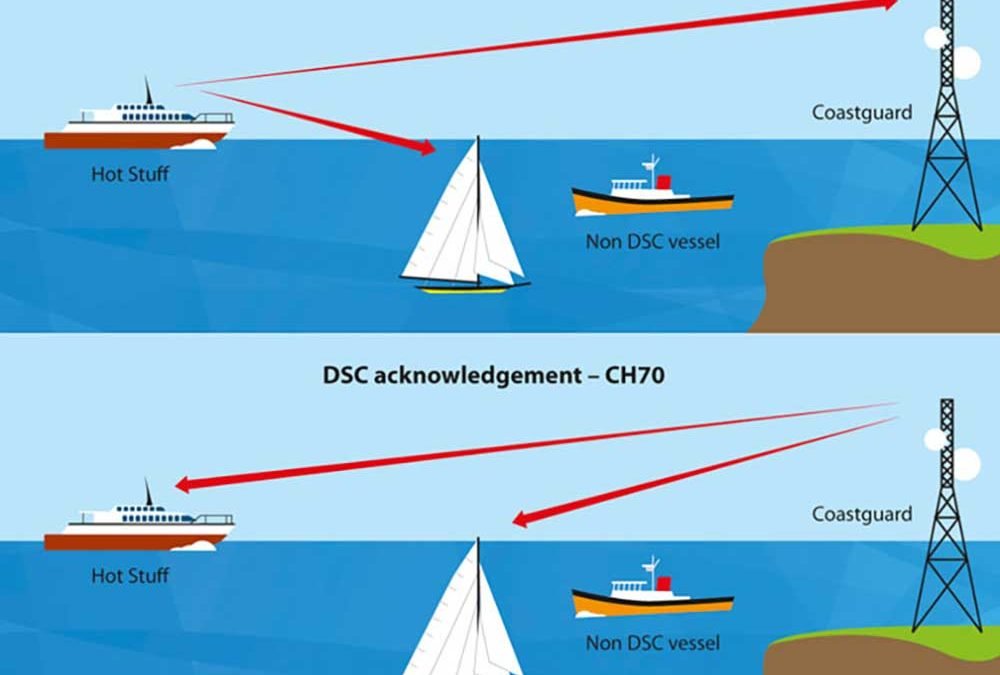
VHF DSC radio – how best to communicate at sea
There are many ways to communicate with others at sea. What makes the VHF DSC radio the best form of short range communication and why is it recommended? The controls of a basic VHF DSC radio There are many ways to communicate with others at sea, ranging from signal...
Capsize – understanding the risks
A skipper should know how their boat will cope with rough seas. By working within known limits and understanding the risks, then the chances of a capsize occurring are much reduced. Safety is all about improving the odds. When considering the odds of a boat capsizing,...
ColRegs Rule 14 – Head-on Situation
ColRegs Rule 14: Head-on Situation (a) When two power-driven vessels are meeting on reciprocal or nearly reciprocal courses so as to involve risk of collision each shall alter her course to starboard so that each shall pass on the port side of the other. (b)...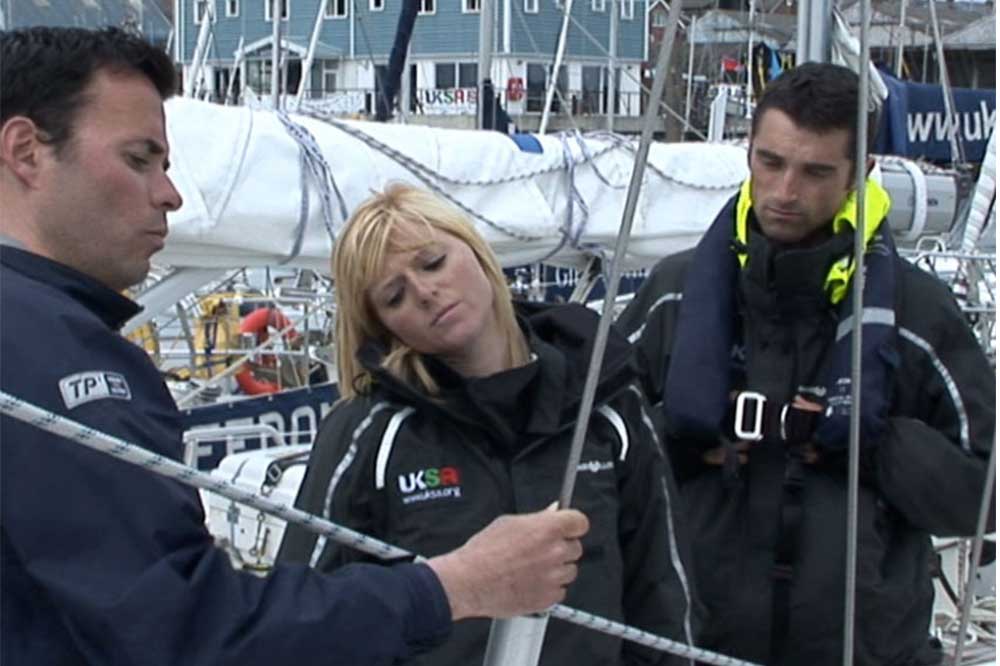
Rig check – how to prevent failure at sea
Regular rig checks prevent the risk of mast and rigging failure at sea. This includes regular rig inspections of the spars, rigging and fittings, especially before a major passage at sea. Most rig failures are caused by poor maintenance and breakage of the... Download from iTunes
Download from Google Play
 Download from iTunes
Download from Google Play
 Download from iTunes
Download from Google Play
 Download from iTunes
Download from Google Play
 Download from iTunes
Download from Google Play
 Download from iTunes
Download from Google Play
 Download from iTunes
Download from Google Play
 Download from iTunes
Download from Google Play

🛠️ 𝗠𝗮𝘀𝘁𝗲𝗿 𝘆𝗼𝘂𝗿 𝗺𝗮𝗿𝗶𝗻𝗲 𝗱𝗶𝗲𝘀𝗲𝗹 𝗲𝗻𝗴𝗶𝗻𝗲!![]()
![]() Gain the confidence to handle maintenance and make necessary repairs yourself. This essential skill is easier to acquire than you think.
Gain the confidence to handle maintenance and make necessary repairs yourself. This essential skill is easier to acquire than you think.![]()
![]() ➡️ Get the basics and next steps here: safe-skipper.com/learning-about-diesel-engine-maintenance
➡️ Get the basics and next steps here: safe-skipper.com/learning-about-diesel-engine-maintenance![]()
![]() #DieselEngineMaintenance #boating #yachting #sailing
#DieselEngineMaintenance #boating #yachting #sailing
This content isn't available right now
When this happens, it's usually because the owner only shared it with a small group of people, changed who can see it or it's been deleted.
