


Understanding tide tables and tidal curves
No two coastal places have exactly the same tidal pattern. There are many factors that influence this, from the shape of the coastline, the funnelling effect of channels and estuaries, the depth of the sea and the proximity of oceans. The times and heights of tides...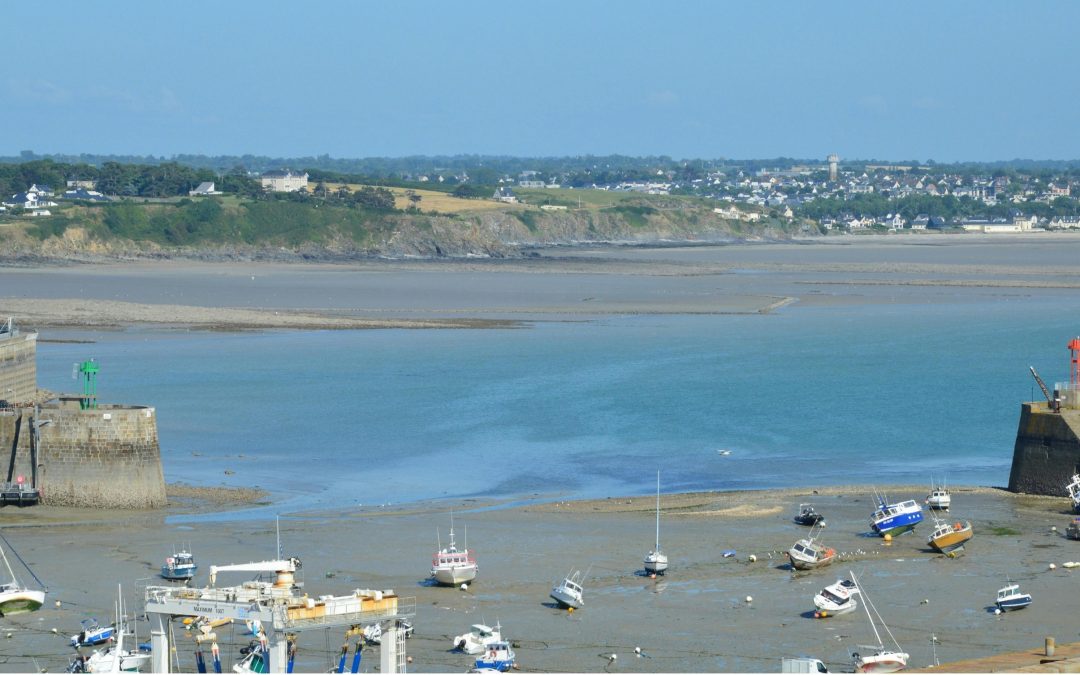
Understanding tides
Understanding tides: a sailor’s guide to tidal ranges and streams If you are used to sailing in tidal waters, you will know that tides can be both a benefit and a hindrance to the sailor. In many ways, the benefits far outweigh the disadvantages as tides can offer the...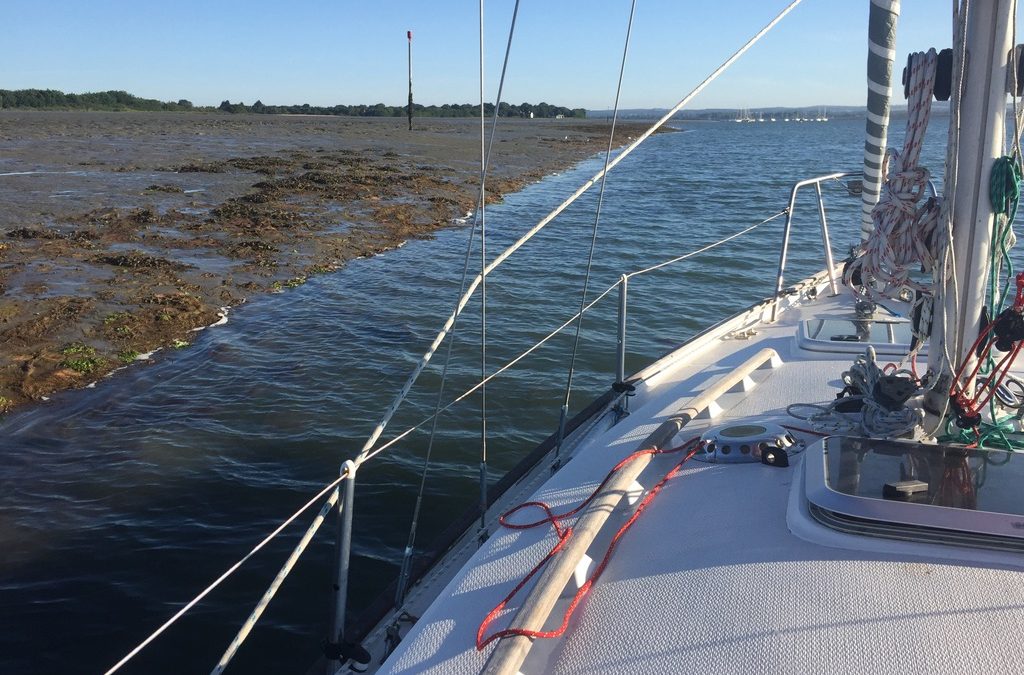
Tidal heights and the rule of twelfths
In our previous article we looked at tidal curves and how we can use them to find the time of a specific height of tide. Following on from this we now take a look at how we calculate a height of tide for a specific time. This is not a complex calculation but it helps...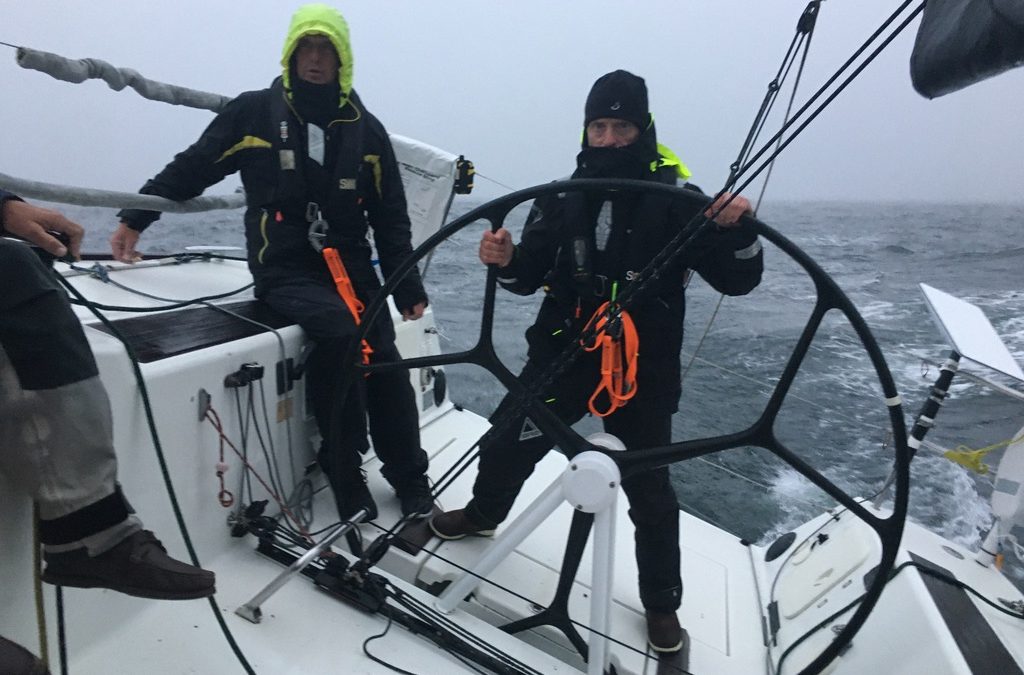
2023 Rolex Fastnet Race – Part 3
This is our third and final article about the 2023 Rolex Fastnet Race. It is a first hand account by Simon Jollands who was one of the crew of Lancelot II, a Beneteau First 40 skippered by John Gillard. The Fastnet Race is named after the Fastnet Rock, which the... Download from iTunes
Download from Google Play
 Download from iTunes
Download from Google Play
 Download from iTunes
Download from Google Play
 Download from iTunes
Download from Google Play
 Download from iTunes
Download from Google Play
 Download from iTunes
Download from Google Play
 Download from iTunes
Download from Google Play
 Download from iTunes
Download from Google Play

🌖 Essential Night Sailing Safety Tips for Skippers![]()
![]() ✨Sailing after dark can be magical—but it demands extra preparation, vigilance and a clear plan.
![]()
![]() Our guide to essential night sailing safety covers passage planning, navigation lights, watchkeeping, fatigue management and emergency readiness.
![]()
![]() Read our FREE guide: loom.ly/df9KKus
![]()
![]() #nightsailing #sailingsafety #boatsafety #SafeSkipper
⛵ ⛴️ 🛥️ Whether you’re new to boating or building your confidence afloat, Safe Skipper has hundreds of free articles, apps and quizzes to help!![]()
![]() Explore practical guides on:
![]()
![]() ➤ Boat maintenance and engine care
![]()
![]() ➤ Navigation, tides, charts and COLREGs
![]()
![]() ➤ Safety equipment, emergencies and first aid
![]()
![]() ➤ Sailing skills, boat handling and crew management
![]()
![]() ➤ Passage planning, weather and cruising
![]()
![]() ➤ Knots, lights, buoys and maritime rules
![]()
![]() You’ll also find our boating apps and interactive quizzes to test your knowledge along the way.
![]() Explore the full library at ⚓ safe-skipper.com
![]()
![]() #Sailing #Yachting #SafetyAtSea #Boating #Watercraft #Sailboat #SafeSkipper

