


Tacking a sailing boat
Tacking is the sailing manoeuvre used to change a boat’s direction through an oncoming wind. Tacking a sailing boat calls for the crew to work as a co-ordinated team and is one of the first sailing skills to learn. When a sailing boat is heading in the direction...
A simple guide to understanding tides when passage planning
Understanding tides when passage planning When planning a trip in tidal waters, check the tides before going afloat. Use almanacs, charts, tide tables and tidal stream atlases to gather all the data you need. It is advisable to have a written note of tidal data for...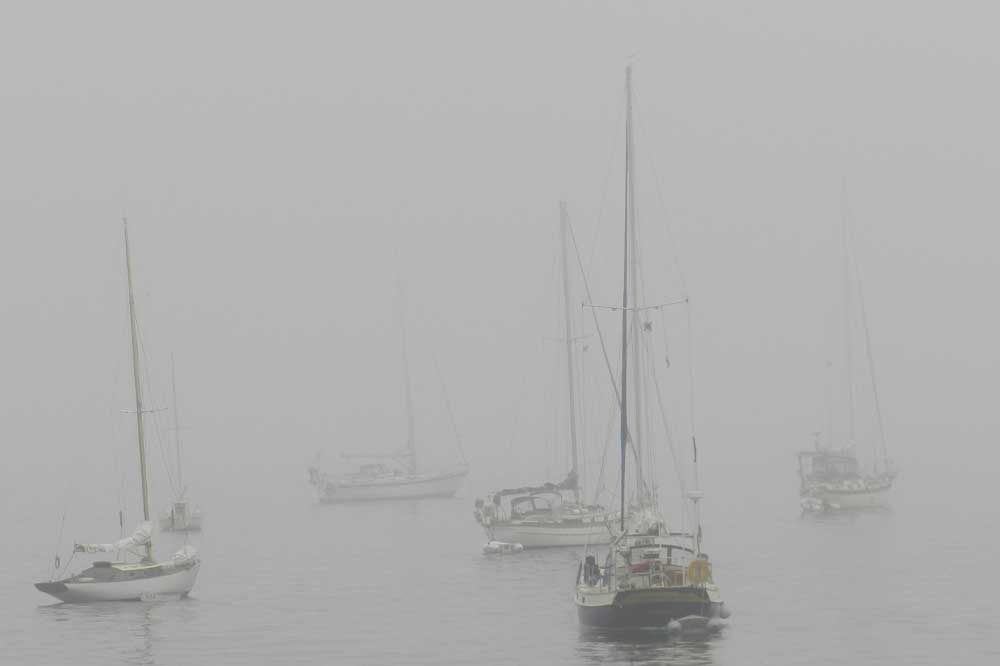
Sailing & Motoring in Fog
Sailing & Motoring in Fog You can only measure the visibility accurately if sailing & motoring in fog when you have another object in sight so assume that it is less than you think. It can take time to ‘see’ another vessel as you may not be looking directly at...
Learn ColRegs: Traffic Separation Schemes
Learn ColRegs Rule 10: Traffic Separation Schemes. (c) A vessel shall, so far as practicable, avoid crossing traffic lanes but if obliged to do so shall cross on a heading as nearly as practicable at right angles to the general direction of traffic flow. (d) (i) A...
Pleasure craft safety equipment recommendations
Safety equipment is an important part of boat preparation and it is advisable for all pleasure craft skippers to check their vessel is properly equipped. Below are some useful pleasure craft safety equipment recommendations from the UK’s Royal Yachting Association...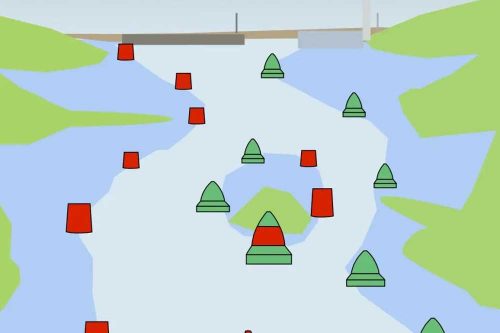
An explanation of the IALA maritime buoyage systems – IALA A and IALA B
What are the differences between the two IALA buoyage systems, IALA Region A and IALA Region B, and where are they used? As recently as the 1970s there were more than 30 buoyage systems in use around the world. This caused confusion and accidents and it was after...
Passage Planning Advice & Safety for skippers
Passage planning helps you to: • Decide where to go • Calculate how long it will take to get there • Avoid bad weather • Take advantage of favourable tides • Be aware of possible hazards, eg shipping lanes, tidal overfalls • Decide a watch system • Decide if the crew...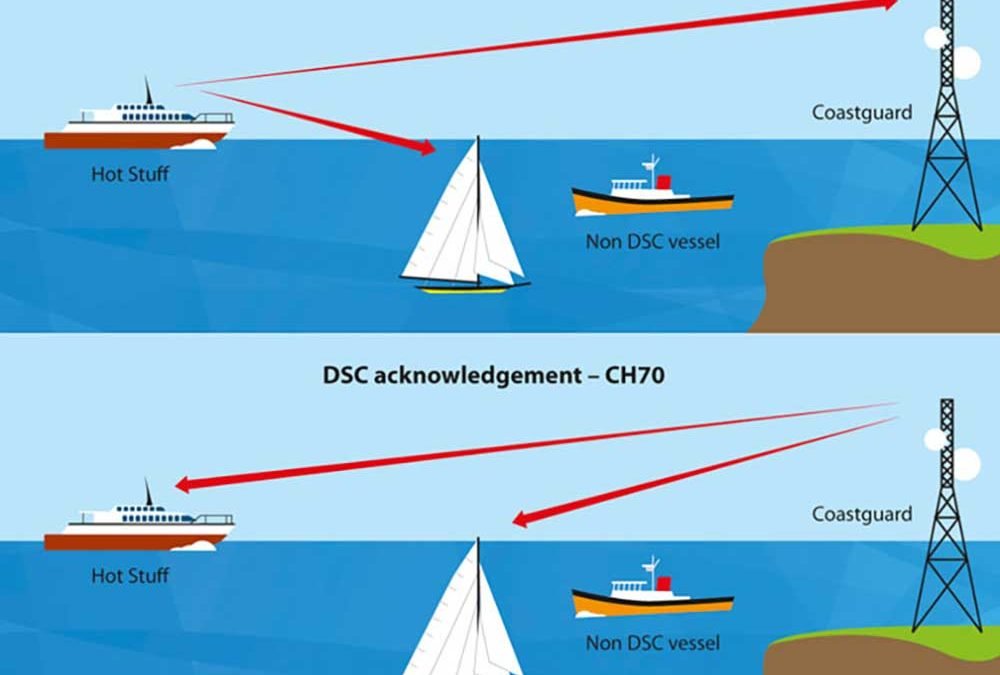
VHF DSC radio – how best to communicate at sea
There are many ways to communicate with others at sea. What makes the VHF DSC radio the best form of short range communication and why is it recommended? The controls of a basic VHF DSC radio There are many ways to communicate with others at sea, ranging from signal...
Fire prevention on boats
Fire prevention on boats – common causes of fire: • Smoking below decks • Galley cookers • Build-up of butane or propane gas in the bilges • Faulty wiring • Petrol/gasoline vapour in engine bay • Flammable paints and solvents Fire onboard a boat –... Download from iTunes
Download from Google Play
 Download from iTunes
Download from Google Play
 Download from iTunes
Download from Google Play
 Download from iTunes
Download from Google Play
 Download from iTunes
Download from Google Play
 Download from iTunes
Download from Google Play
 Download from iTunes
Download from Google Play
 Download from iTunes
Download from Google Play

This content isn't available right now
When this happens, it's usually because the owner only shared it with a small group of people, changed who can see it or it's been deleted.
This content isn't available right now
When this happens, it's usually because the owner only shared it with a small group of people, changed who can see it or it's been deleted.
