

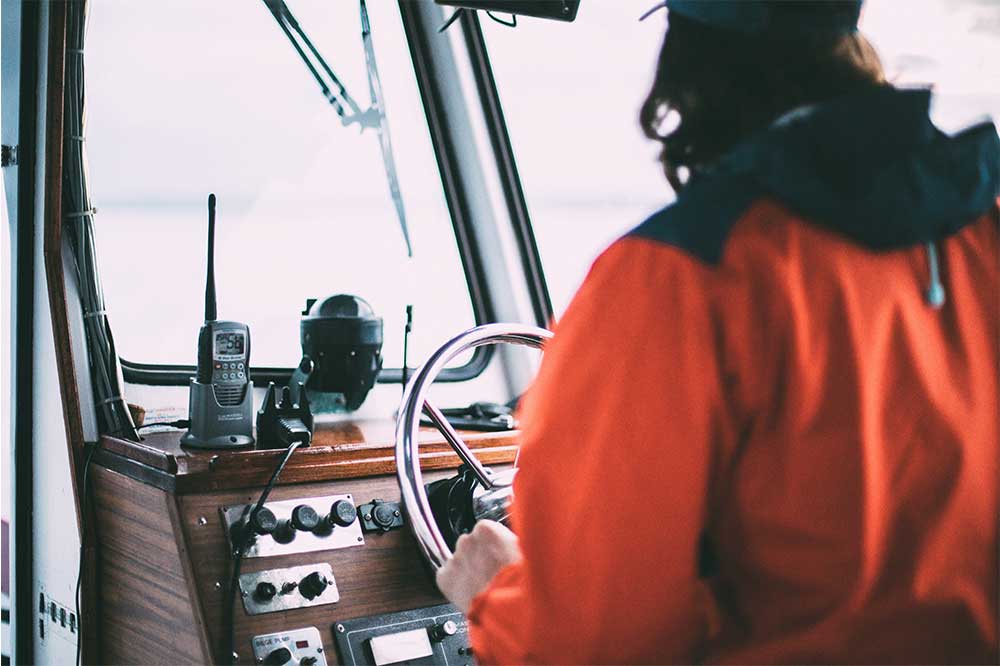
ColRegs Rule 14 – Head-on Situation
ColRegs Rule 14: Head-on Situation (a) When two power-driven vessels are meeting on reciprocal or nearly reciprocal courses so as to involve risk of collision each shall alter her course to starboard so that each shall pass on the port side of the other. (b)...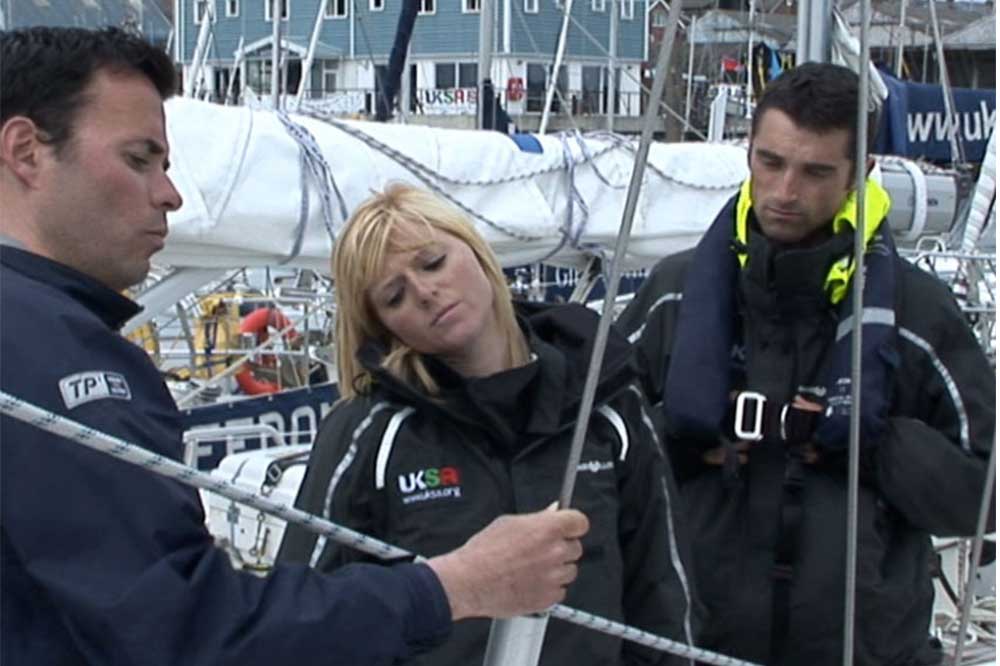
Rig check – how to prevent failure at sea
Regular rig checks prevent the risk of mast and rigging failure at sea. This includes regular rig inspections of the spars, rigging and fittings, especially before a major passage at sea. Most rig failures are caused by poor maintenance and breakage of the...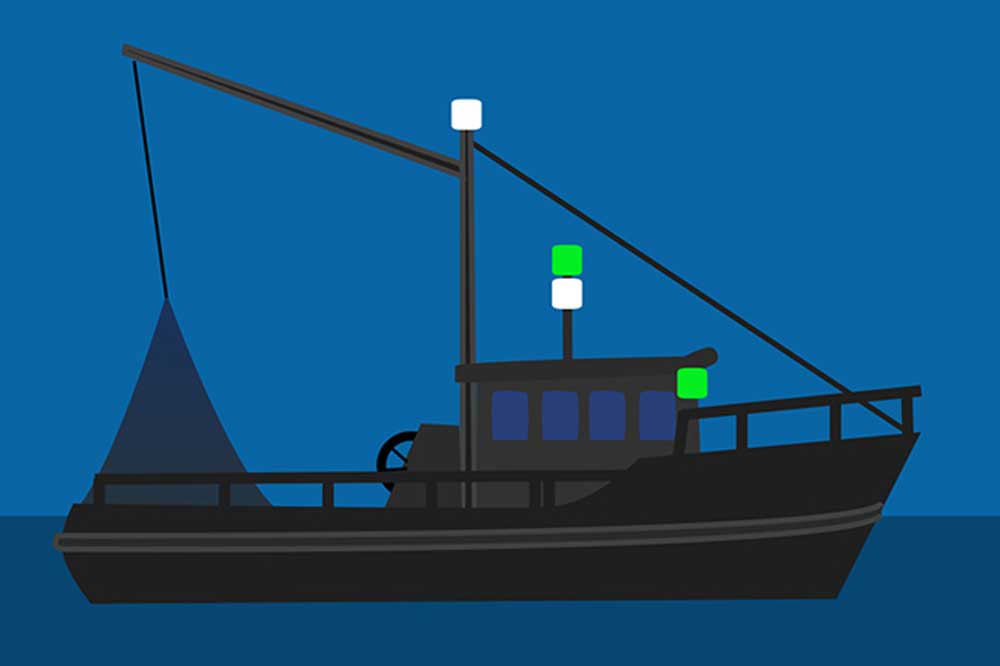
Know your Navlights & Shapes – essential for all skippers
Know your Navlights & Shapes International Regulations for Preventing Collisions at Sea (ColRegs) Anyone who is responsible for a vessel at sea, from the smallest dinghy to an ocean going supertanker, day or night, must be able to recognise other vessels and...
How to predict wind direction and strength by reading a weather chart
Weather charts, also known as surface pressure or synoptic charts, contain a lot of information that helps weather forecasters make predictions about the weather and sea conditions. Before going to sea it is always a good idea to study weather charts and work out how...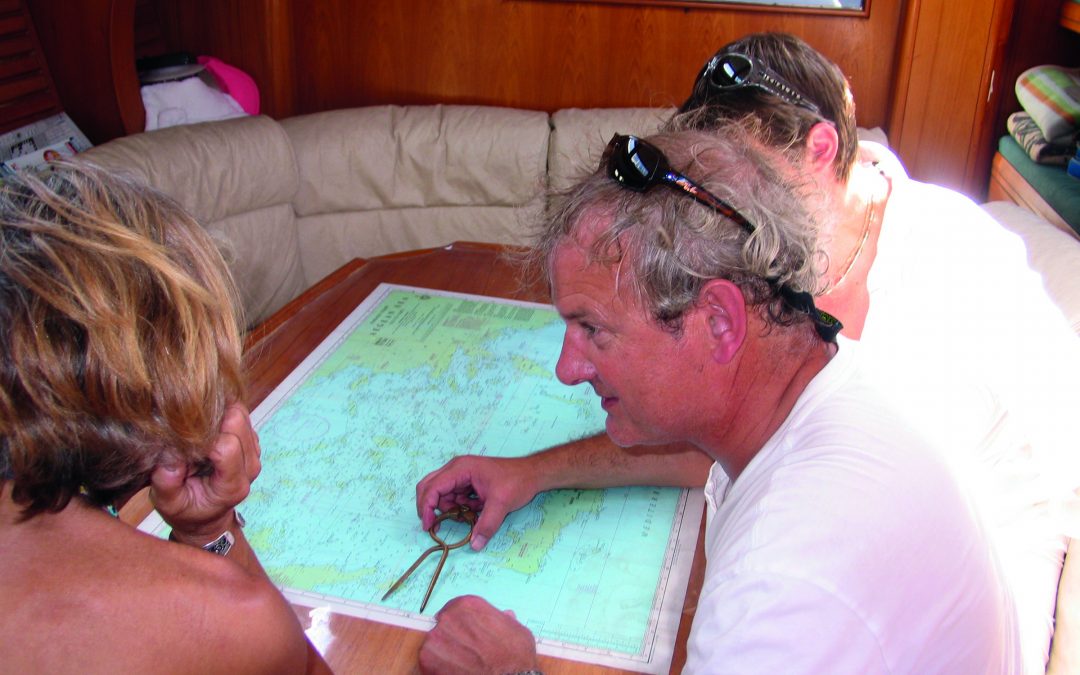
Safety Briefings – leave nothing to chance
Before giving your crew a safety briefing, it is worth considering the specific circumstances of the planned trip, the experience of the crew and their familiarity with the vessel and each other. If the crew already know the drill inside out and you know each other...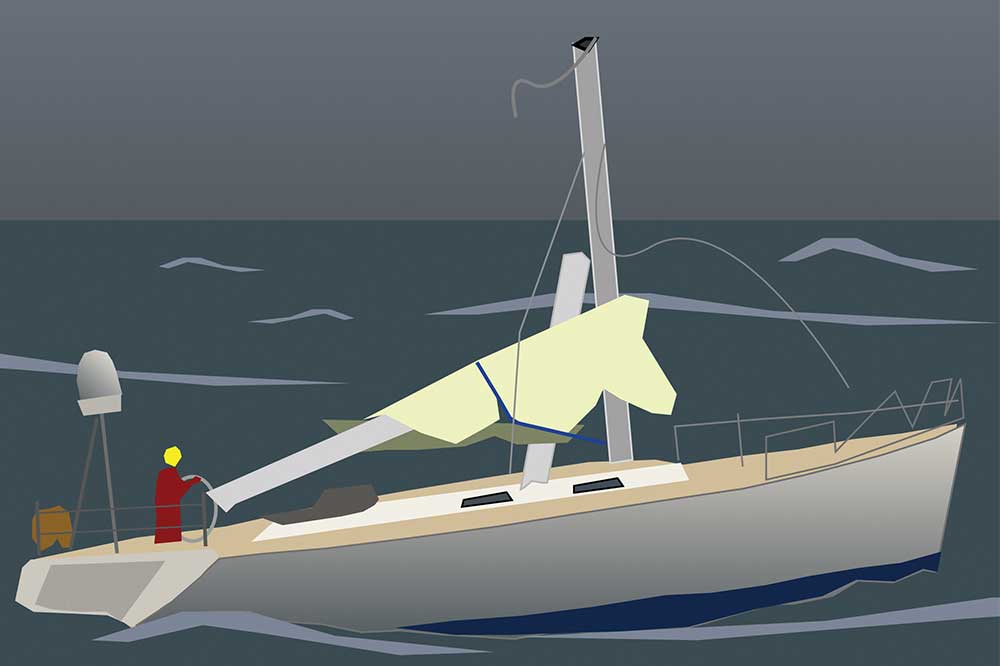
Getting a tow for your sail or power boat at sea or on inland waterways
FREE tips from the Safe Skipper App for iPhone/iPad/Android: Getting a tow for your sail or power boat Plan how to secure a tow rope to your boat. The tow rope must be attached to strong deck fittings As a rescue boat approaches, warn them of any debris or loose lines...
Boat Engine Failure – what to check
Engine failure If your engine fails or is overheating there are a number of things to check immediately: • Air filter blocked – check, clean or replace • Cooling water low – fill when engine is cold. Check for leaking hoses • Exhaust pipe blocked • Fuel...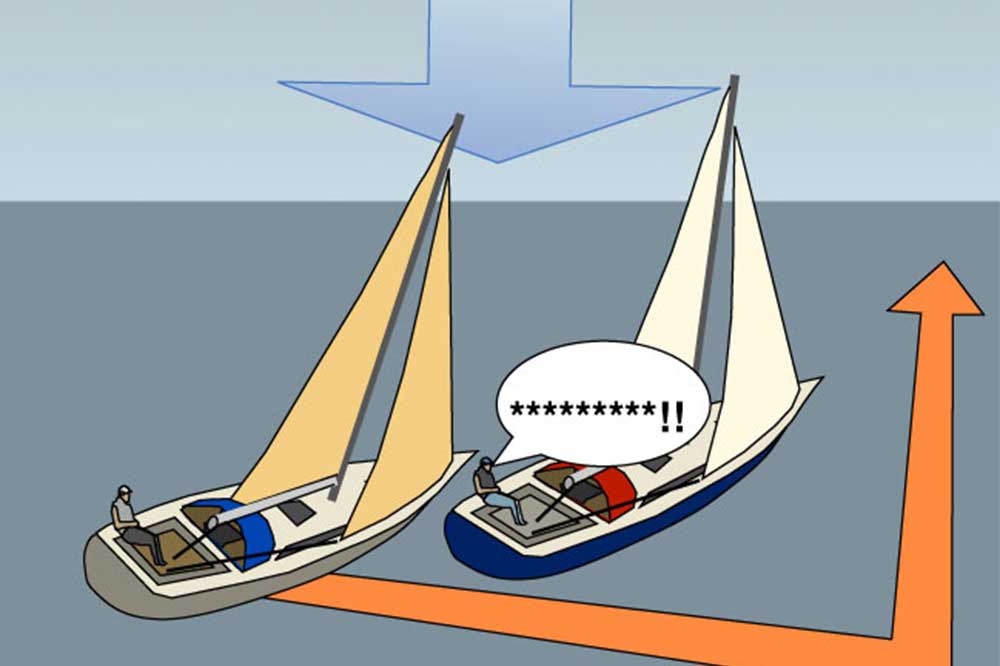
Boating Rules of the Road – International ColRegs
International ColRegs Rule 7: Risk of Collision Anyone who is responsible for a vessel at sea, from the smallest dinghy to an ocean going supertanker, must be able to recognise other vessels around them day or night, whatever the visibility. They need to...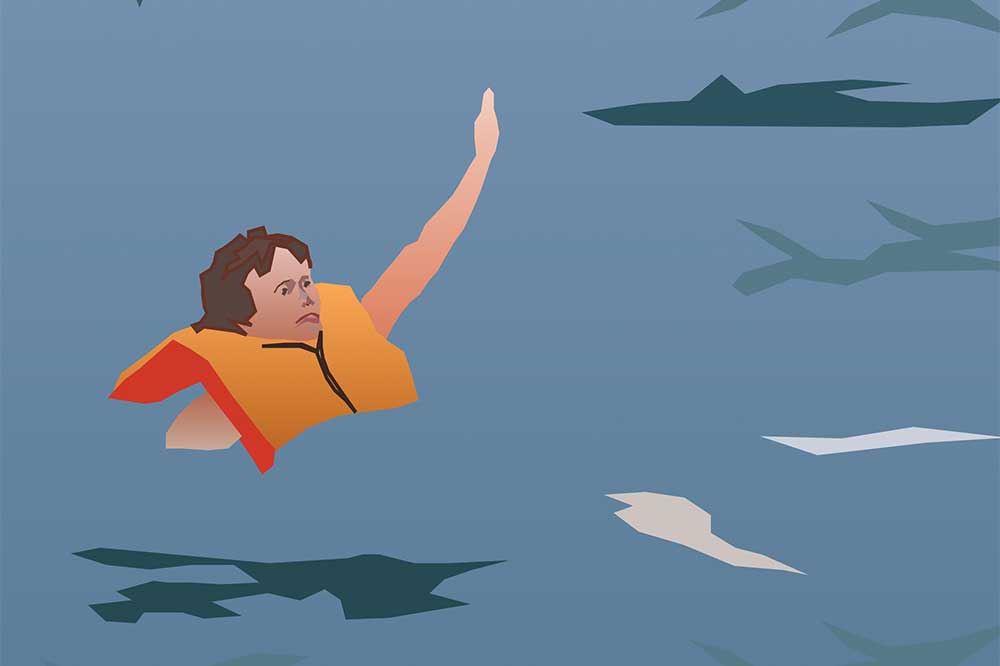
Man Overboard Drill
How to respond to crew overboard under sail • Keep the MOB in sight • Tack into the heave-to position, do not adjust the headsail sheets • If under spinnaker, alter course to windward and haul sail down immediately • Throw buoyancy to the MOB • Mark MOB with dan buoy... Download from iTunes
Download from Google Play
 Download from iTunes
Download from Google Play
 Download from iTunes
Download from Google Play
 Download from iTunes
Download from Google Play
 Download from iTunes
Download from Google Play
 Download from iTunes
Download from Google Play
 Download from iTunes
Download from Google Play
 Download from iTunes
Download from Google Play

This content isn't available right now
When this happens, it's usually because the owner only shared it with a small group of people, changed who can see it or it's been deleted.
This content isn't available right now
When this happens, it's usually because the owner only shared it with a small group of people, changed who can see it or it's been deleted.
