

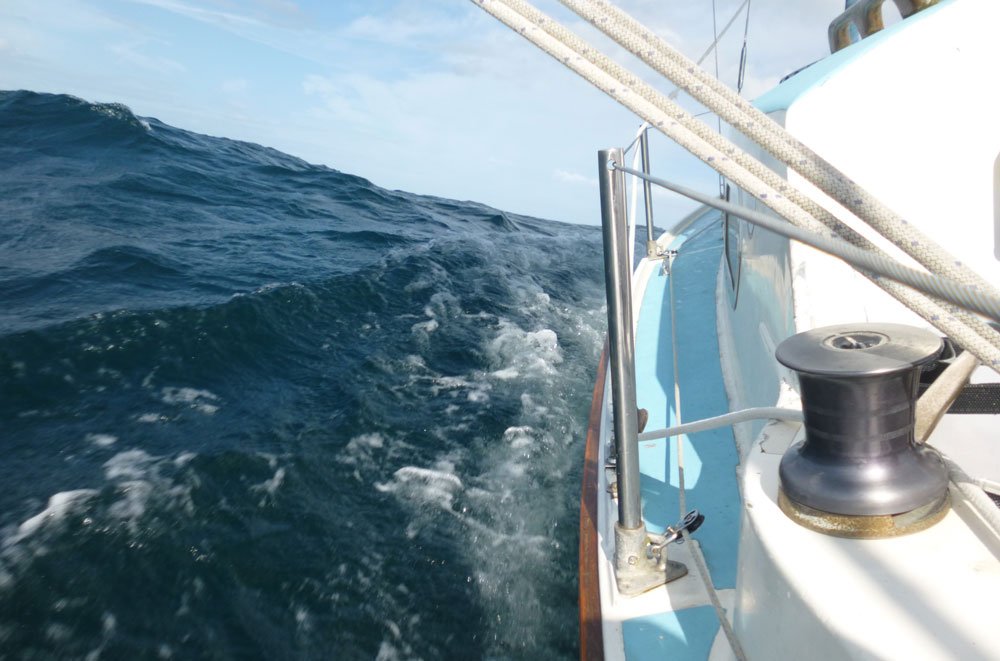
Preparing for sailboat cruising
Preparing for a sailing trip entails a lot of planning. In this blog, we take a look at some of the many safety aspects that a skipper needs to consider before heading off on a cruise. The degree of preparation, knowledge and equipment needed for cruising will vary...
Five dangers a vessel may encounter at sea
What are the main dangers a vessel may face at sea and what should skippers do to reduce the risk of these happening? Collisions with other vessels The Collision Regulations apply to “all vessels upon the high seas and in all waters connected therewith navigable...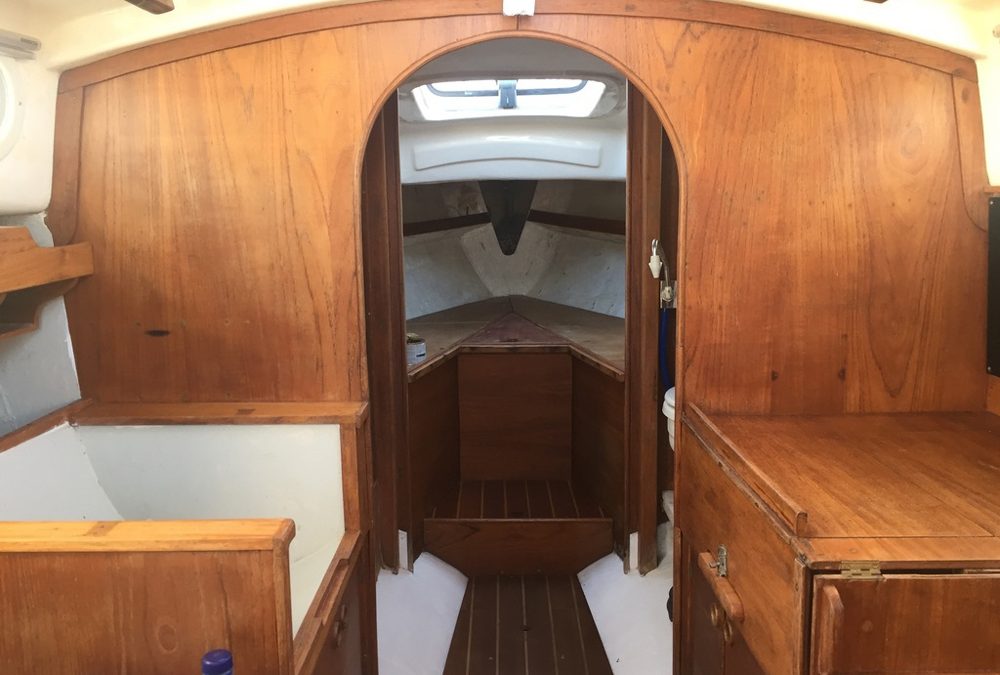
Boat interior varnishing
Boat interiors on the whole are pretty resilient but over time bulkheads, doors, the cabin sole and surfaces become scuffed, stained and suffer general wear and tear due to the marine environment. In an ideal world, the best location to undertake such a project is...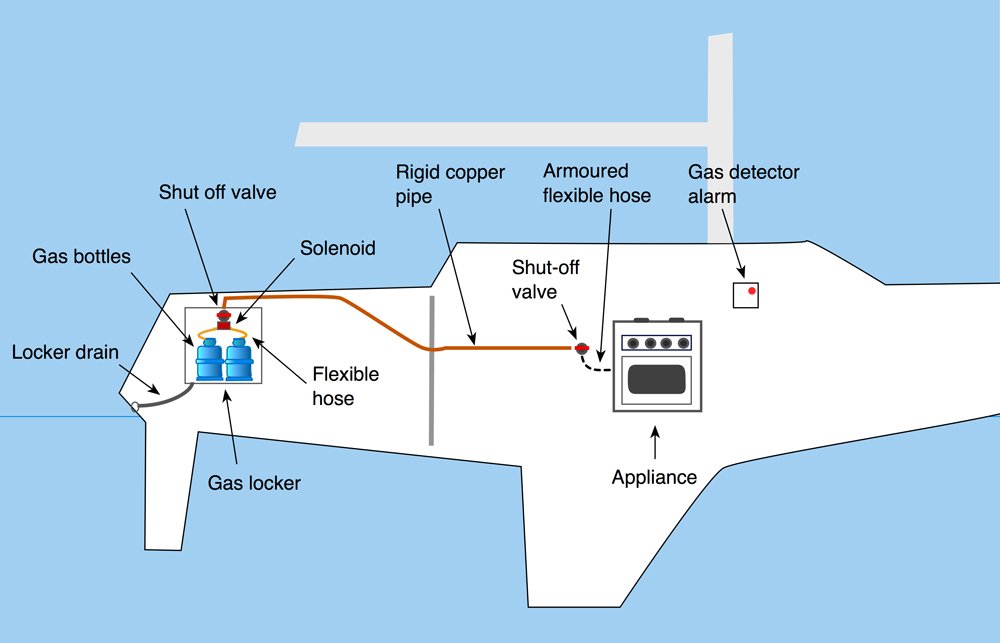
Boat gas system maintenance
There are correct types of hose for marine plumbing, sewerage, exhaust, cooling and gas and all hoses should be checked regularly for wear and deterioration. Hose clips should also be checked for corrosion. Nowhere is this more important than with the gas system, so...
Marine toilets – care and maintenance
There are a number of different types of marine toilet, or heads. They fall into one of three categories – manual, electric and vacuum, the most common being the manual, hand pumped type. These have double acting piston-pumps which both discharge the waste and flush... Download from iTunes
Download from Google Play
 Download from iTunes
Download from Google Play
 Download from iTunes
Download from Google Play
 Download from iTunes
Download from Google Play
 Download from iTunes
Download from Google Play
 Download from iTunes
Download from Google Play
 Download from iTunes
Download from Google Play
 Download from iTunes
Download from Google Play

Always be prepared! 🌩
This content isn't available right now
When this happens, it's usually because the owner only shared it with a small group of people, changed who can see it or it's been deleted.
⛵ If you enjoy seeing our sailing hints and tips, take a look at our newly updated Start Sailing: Yachts app!![]()
![]() Designed for novice sailors, it features more than 100 expert illustrations and clear, practical guidance covering crewing, navigation, safety, life aboard and much more.
Designed for novice sailors, it features more than 100 expert illustrations and clear, practical guidance covering crewing, navigation, safety, life aboard and much more.![]()
![]() 𝗪𝗛𝗔𝗧'𝗦 𝗡𝗘𝗪
𝗪𝗛𝗔𝗧'𝗦 𝗡𝗘𝗪![]() ✨ Fresh, easy-to-navigate design
✨ Fresh, easy-to-navigate design![]() 📚 Quick access to key sections
📚 Quick access to key sections![]() 🔍 Search to find information faster
🔍 Search to find information faster![]() ❤️ Save useful pages to Favourites
❤️ Save useful pages to Favourites![]() ✅ Test Yourself quizzes
✅ Test Yourself quizzes![]() 📱 Reliable offline access to essential sailing information
📱 Reliable offline access to essential sailing information![]()
![]() If you want to become a confident and useful crew member, Start Sailing: Yachts is a handy reference to keep close by!
If you want to become a confident and useful crew member, Start Sailing: Yachts is a handy reference to keep close by!![]()
![]() Available on App Store and Google Play.
Available on App Store and Google Play. ![]() Find out more:
Find out more: ![]() ✴️ bit.ly/SS_StartSailing
✴️ bit.ly/SS_StartSailing![]()
![]() #startsailing #learntosail #SailingTips #SailingApp #SafeSkipper
#startsailing #learntosail #SailingTips #SailingApp #SafeSkipper

