
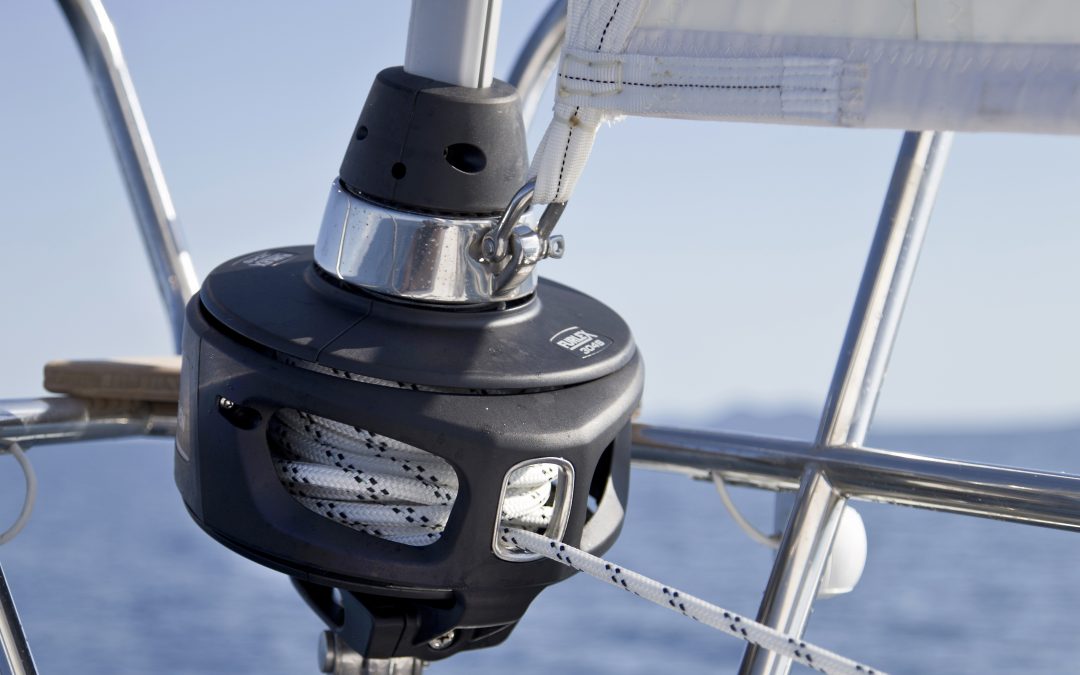
Sailing at the touch of a button
As yachts get bigger, the loads on halyards and sheets increase, meaning the strength needed to manage the sails also increases. Every sailor knows that grinding winches can be hard work, especially when sailing short-handed. It is important to keep winches serviced...
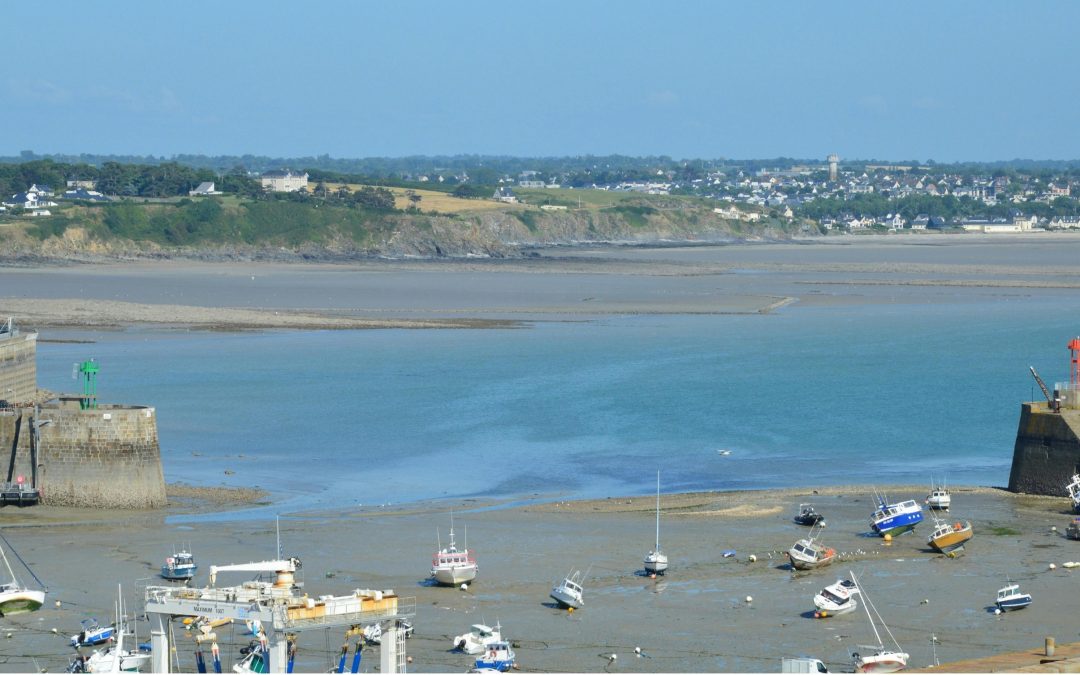
Navigating the Unknown: Boating in Limited Visibility
“Boating in fog is a test of patience and trust. You have to trust your instruments, your crew, and your own instincts.” Mental preparation is just as important as physical preparation Sailing or Motor Boating in limited visibility, whether due to...
Navigating narrow channels
Navigating narrow channels can present challenges for boat operators due to limited space, restricted manoeuvrability, and potential hazards such as shallows, rocks, or other vessels. To ensure safe passage through narrow channels, it’s essential to follow...
Anchoring – getting it right
If you can set an anchor correctly with confidence and know your boat will be safe in a secure anchorage, then you can rest in comfort and will not need to rely on moorings and marinas when cruising. Anchoring is one of the most important boat handling skills. If you...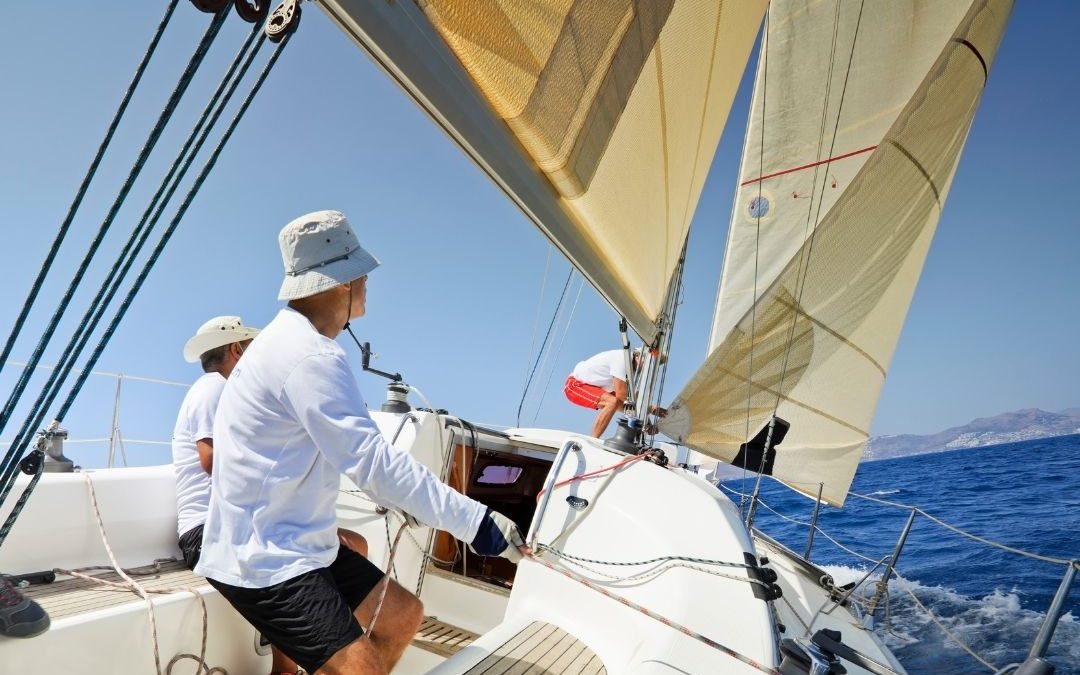
Points of Sailing
The course on which a boat is sailing can be described by its angle to the wind, not to be confused with its compass heading. The different angles to the wind are known as the points of sailing. A number of sailing terms collectively known as the points of sail are... Download from iTunes
Download from Google Play
 Download from iTunes
Download from Google Play
 Download from iTunes
Download from Google Play
 Download from iTunes
Download from Google Play
 Download from iTunes
Download from Google Play
 Download from iTunes
Download from Google Play
 Download from iTunes
Download from Google Play
 Download from iTunes
Download from Google Play

➤➤ 𝟓𝟎 𝗘𝗦𝗦𝗘𝗡𝗧𝗜𝗔𝗟 𝗕𝗢𝗔𝗧𝗜𝗡𝗚 𝗞𝗡𝗢𝗧𝗦 — 𝗔𝗧 𝗬𝗢𝗨𝗥 𝗙𝗜𝗡𝗚𝗘𝗥𝗧𝗜𝗣𝗦 🪢![]() Never fumble a knot on deck again. Knot Bible walks you through 50 essential knots step-by-step, with clear photos and instructions for every stage.
![]()
![]() 🎬 Hands-free slideshow — set the speed
![]()
![]() ⏸️ Pause, rewind, and repeat
![]()
![]() 🔍 Search for the knot you need
![]()
![]() ⭐ Save your go-to knots to Favourites for quick access
![]()
![]() From hitches to bends to loops, everything you need to tie with confidence is in your pocket.
![]()
![]() FIND OUT MORE:
![]() ✳️ bit.ly/SSKnotBible
![]()
![]() ● NO IN-APP PURCHASES or SUBSCRIPTIONS!
![]() ● ALL CONTENT INCLUDED
![]() ● NO DATA REQUIRED FOR USE
![]()
![]() #sailingtips #boatinglife #knots #yachting #knottying #SailingKnots #Sailing #lifeatsea #boating #watercraft
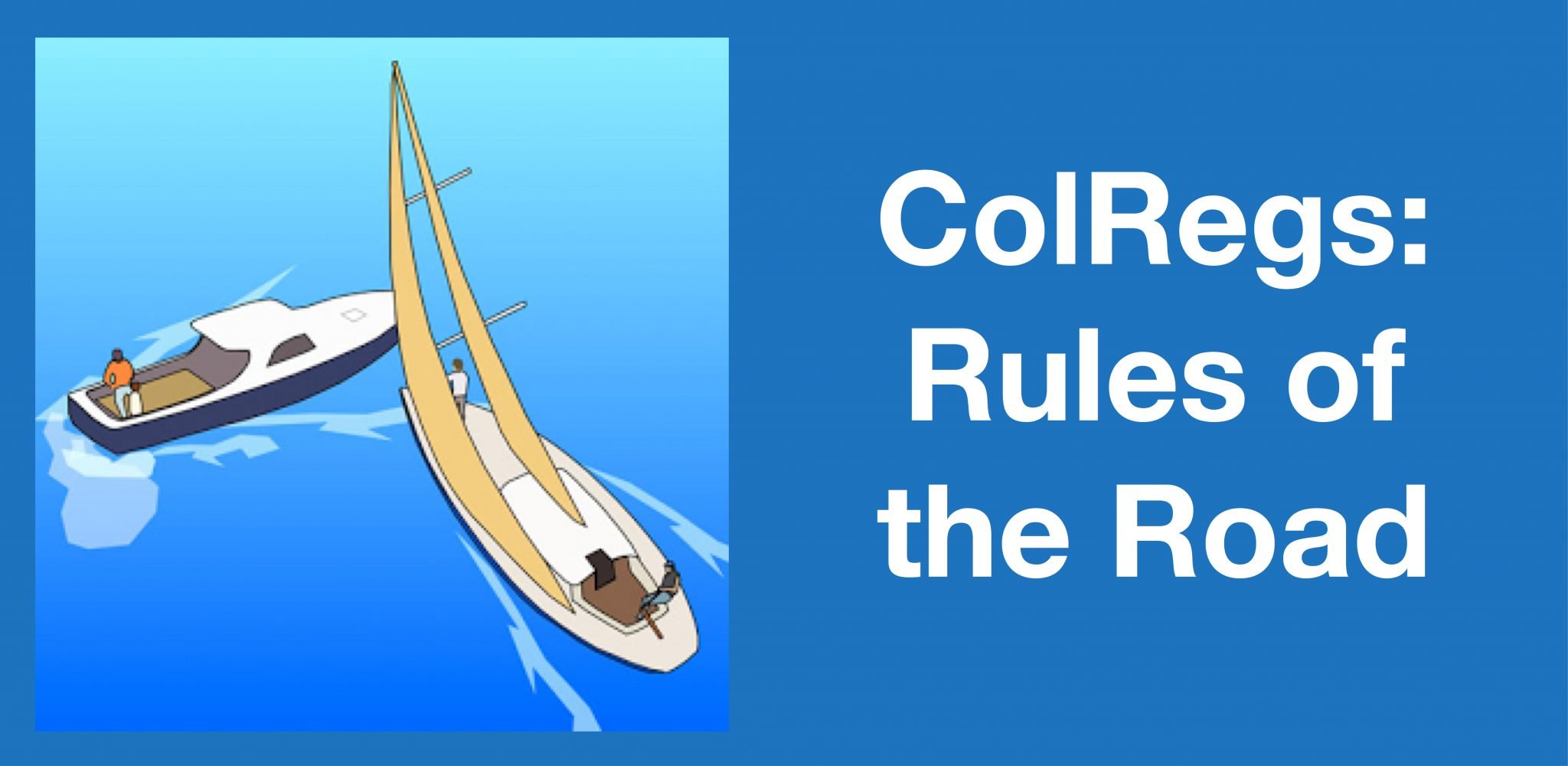
🤔 Rules of the Road Challenge 4 — who should give way?![]()
![]() ⛵⛵ Two sailing boats, one decision! Look closely at the image. Which vessel should give way, and which should maintain its course and speed?
![]()
![]() 📖 𝘊𝘰𝘭𝘙𝘦𝘨𝘴 𝘙𝘶𝘭𝘦 12(𝘢)(𝘪𝘪𝘪) 𝘜𝘯𝘥𝘦𝘳 𝘊𝘰𝘭𝘙𝘦𝘨𝘴 𝘙𝘶𝘭𝘦 12(𝘢)(𝘪𝘪𝘪), 𝘢 𝘴𝘢𝘪𝘭𝘪𝘯𝘨 𝘷𝘦𝘴𝘴𝘦𝘭 𝘰𝘯 𝘱𝘰𝘳𝘵 𝘵𝘢𝘤𝘬 𝘮𝘶𝘴𝘵 𝘬𝘦𝘦𝘱 𝘤𝘭𝘦𝘢𝘳 𝘰𝘧 𝘢 𝘷𝘦𝘴𝘴𝘦𝘭 𝘵𝘰 𝘸𝘪𝘯𝘥𝘸𝘢𝘳𝘥 𝘪𝘧 𝘴𝘩𝘦 𝘤𝘢𝘯𝘯𝘰𝘵 𝘥𝘦𝘵𝘦𝘳𝘮𝘪𝘯𝘦 𝘸𝘩𝘦𝘵𝘩𝘦𝘳 𝘵𝘩𝘢𝘵 𝘷𝘦𝘴𝘴𝘦𝘭 𝘪𝘴 𝘰𝘯 𝘱𝘰𝘳𝘵 𝘰𝘳 𝘴𝘵𝘢𝘳𝘣𝘰𝘢𝘳𝘥 𝘵𝘢𝘤𝘬.
![]()
![]() ✅ The boat on the left should give way. Ready for more?
![]()
![]() Test your knowledge with our FREE QUIZZES!
![]()
![]() 🛟 bit.ly/SS_Boating-Quizzes
![]()
![]() #Sailing #COLREGs #rulesoftheroad #BoatingQuiz #boatingsafety #SafeSkipper

