Select Page

There are less maintenance tasks to carry out on a saildrive transmission than on a traditional inboard shaft drive system with its associated stern gear. For example, you don’t have to worry about engine alignment, cutless bearings and stern glands. I owned a boat for seven years that had a Volvo Penta saildrive transmission system and this caused no problems during my ownership. The same applies to Yanmar saildrive systems.

However, there are a few critical things that require maintenance. These are as recommended in detail by the engine manufacturers and should be adhered to.

Corrosion

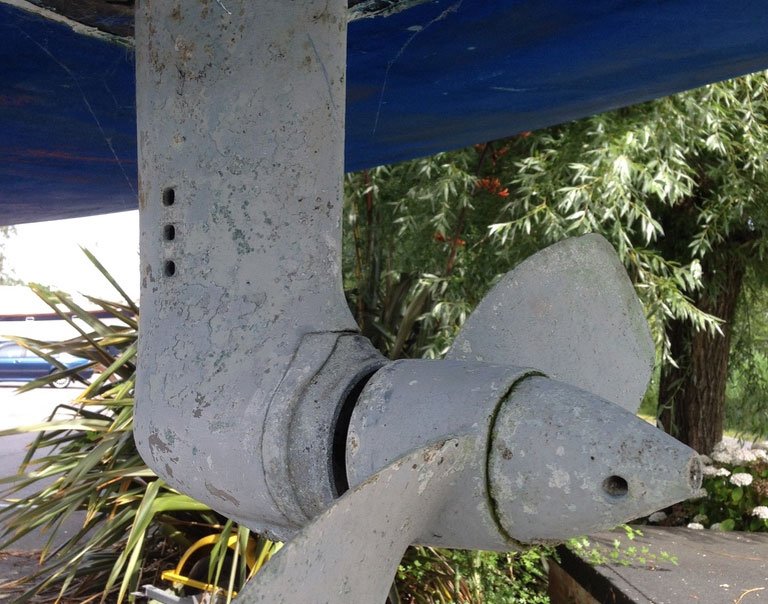
  • Drive leg housings are made from aluminium and they must therefore be well protected from corrosion, requiring a special copper-free antifouling paint, plus undercoats. The housings also need dedicated sacrificial zinc anodes to prevent them from galvanic corrosion.
  • Carefully inspect the drive leg for any damage to the paintwork. Any exposed aluminium will quickly corrode in salt water. Look for any white corrosion beginning to form on places where paint may have been chipped off. If any such damage is found it will need to be ground back before the unit becomes seriously damaged.
  • Anodes are designed to protect saildrives from electric currents generated while in sea water.
  • The electrical system of the engine will need to be an isolated system and not one which is grounded to the battery negative.
  • When a non-aluminium propeller is fitted, additional anodes are required.

Oil change

  • Regular checks of saildrive transmission oil are important. Any signs of milky coloured oil indicate water has found its way into the system. This could occur because of a shaft seal failure or defective drain plug seal.
  • Manufacturers usually recommend that the transmission oil is changed annually, which can only be done ashore by draining the oil from the base of the leg. On some systems the oil can be removed using a hand pump operated from the engine bay. In order for the oil to drain completely, remove the filler cap on top to allow air in.
  • Always use the manufacturer’s recommend oil and be careful not to overfill the system.
  • Be aware that some manufacturers recommend a torque setting for the oil drain plug and also advise that the seal is replaced regularly, because if there is the smallest crack in the rubber seal it will leak.

seal saildrive maintenance

Rubber seal

  • The saildrive leg passes through a thick rubber seal that attaches to the base of the hull. Yanmar sail drives differ from Volvo Penta so it is worth checking with the manufacturer’s recommendations. Volvo recommending replacing seals after 7 years while Yanmar recommend replacing their sail drive seals every two years, which is quite a difference. Replacing sail drive seals is a fairly major job which has to be done ashore and entails lifting the engine. The part itself is pricey but significant additional cost needs to be factored in for the engine lift and labour involved.

Sailing into fog – being prepared and staying safe

Most skippers will sensibly delay their departure, if fog is forecast. However, if fog begins to form when you are at sea it is important to be prepared, and know what precautions to take, to help make your vessel detectable or visible in fog and keep the crew safe.

Fire prevention on boats

  Fire prevention on boats - common causes of fire: • Smoking below decks • Galley cookers • Build-up of butane or...

Tacking a sailing boat

Tacking is the sailing manoeuvre used to change a boat's direction through an oncoming wind. Tacking a sailing boat calls...

Narrowboating on the Kennet and Avon Canal

A recently cancelled sailing event I was due to take part in left us with a free weekend in the diary. Given that my wife and I were celebrating a bumper wedding anniversary and the weather forecast was for fine weather, we decided to hunt around for a last minute canal holiday.

Boat gas system maintenance

There are correct types of hose for marine plumbing, sewerage, exhaust, cooling and gas and all hoses should be checked regularly for wear and deterioration.

Boat Security: Protecting your vessel from theft & vandalism

Boats are susceptible to theft and vandalism. Protecting your vessel from these risks requires a proactive approach to boat security. In this comprehensive guide, we’ll explore the various threats to boat security and provide practical strategies and technologies to safeguard your investment and enjoy peace of mind on the water.

DIY boat upgrades: Budget-friendly projects to enhance your (older!) boat

DIY projects that can enhance both the functionality and aesthetics of your boat. In this article, we’ll explore a variety of DIY boat upgrades that won’t break the bank but will significantly enhance your boating experience.

Boat maintenance log

Keeping a boat maintenance log is an ideal way of reminding owners what needs to be done to a boat and when. Read on for some tips,...

Essential Yachting + Power Boat Safety Briefing

Yachting Safety Briefing   Down below Lifejackets and harnesses - fitting, when to wear, clipping on Gas - risks, precautions, gas bottles and...

Liferafts

Liferafts should be stowed where they are ready for immediate launching. All crew should know the location of the liferaft and know how to launch, inflate and board it. They should also know what equipment it contains.

Wooden Hulls – Part 2

It is important to ensure the essential hull maintenance of a wooden boat is done, even if you are paying others to look after your boat for you. The priority is to prevent rot from taking hold. The protective layers of paint and varnish over wood are far more critical than on GRP boats, where the topsides are painted more for cosmetic reasons.

Sailing Safely at Night – Best Practice

Sailing at night can be a magical experience – the peaceful solitude, starry skies, and gentle lapping of waves create an unforgettable atmosphere. However, nighttime sailing also presents unique challenges and risks that require careful preparation and vigilance. This comprehensive guide will cover essential safety practices to ensure your nocturnal nautical adventures are both enjoyable and secure.

The give-way hierarchy at sea – who gives way to whom?

Whatever their size or type, all skippers have a responsibility to avoid collisions with other boats at sea.  It is...

Man Overboard Drill

How to respond to crew overboard under sail • Keep the MOB in sight • Tack into the heave-to position, do not adjust the...

How to operate a winch

Winches are drum shaped mechanical devices used to handle halyards, sheets and control lines. One of the important crew...

Sailing to windward – how to take advantage of wind shifts

For most sailors, sailing upwind is the most exhilarating point of sail as you tack your way to your destination. Sailing to windward is a bit like zig-zagging your way up a mountain road through a series of hairpin bends – great fun but also calling for concentration and hard work.

Distress flares – which flare, how & when to use?

How to use distress flares at sea To effectively use distress flares at sea, you need to understand the different types, their purpose, and the...

Rig check – how to prevent failure at sea

Regular rig checks prevent the risk of mast and rigging failure at sea. This includes regular rig inspections of the spars, ...

Sector lights, directional lights, leading lights – how do they differ?

Sector lights, directional lights and leading lights guide vessels safely through hazardous waters or narrow channels at...

Sailboat rig checks – Part 1

Sailing boat rigs need to be checked regularly to reduce the risk of rig failure at sea. In part one of Sail boat rig checks we run through a series of useful checks that owners and skippers can carry out.

Always have an emergency ditch bag ready to go…

An emergency ditch bag (also known as a grab bag, abandon ship bag, or go-bag) is a crucial piece of safety equipment for any vessel venturing out...

Peer to Peer yacht charter – How can you monetize your boat?

There is a growing trend in peer to peer yacht charter. How does it work? People already rent rooms, cars and bikes from one...

Winch Servicing

It is not essential to service the winches when a boat is ashore, but if time allows I prefer to do this maintenance job when the boat...

How to predict wind direction and strength by reading a weather chart

Weather charts, also known as surface pressure or synoptic charts, contain a lot of information that helps weather...

Engine failure at sea – common causes and how to avoid them

Many engine failures are caused by lack of maintenance, resulting in fuel filter blockages, water pump failures, overheating and other breakdowns. Indeed, one of the most common reasons for marine rescue service call outs is for one of the most basic reasons possible – boats that have run out of fuel.