Select Page

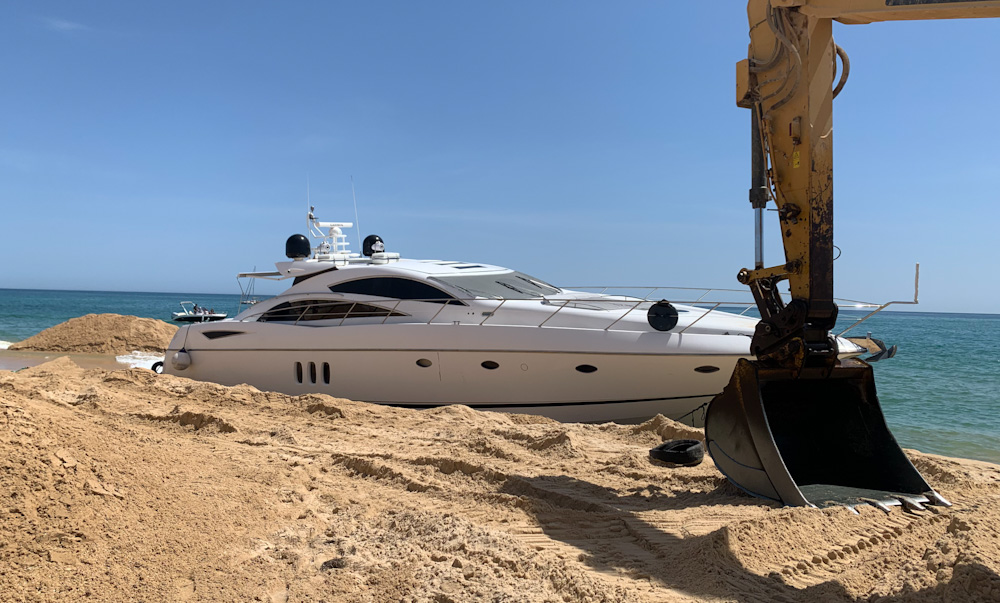
Picture this: you’re out on a serene lake or cruising along a beautiful coastline in your motor boat, enjoying the wind in your hair and the gentle lapping of the water against your vessel. However, amidst the bliss of boating lies a lurking danger – running aground. The peril of grounding a motor boat is not only an inconvenience; it can lead to substantial risks for both the vessel and its passengers. In this article, we’ll explore the potential dangers of running aground and highlight the importance of proper navigation and preparedness to avoid these hazards, exploring practical strategies that can help you navigate safely and enjoy the water without the fear of grounding your boat.

The Dangers Unveiled

  • Structural Damage to the Boat: When a motor boat runs aground, it’s not just the hull that takes a hit. Propellers, rudders, and other vital components can be damaged upon impact with submerged rocks, sandbars, or other obstacles. The force of the impact can cause cracks, dents, or even worse, compromising the boat’s structural integrity. The subsequent water leakage can put the vessel at risk of sinking, leading to a dangerous situation for everyone on board.
  • Risk of Injury to Passengers: The jolt of running aground can throw passengers off balance, leading to falls, collisions, and potential injuries. In extreme cases, passengers can be thrown overboard, dangerous especially if they’re not wearing life jackets. Moreover, loose objects within the boat can also become dangerous projectiles during impact, causing further harm to passengers.
  • Stranded in Remote Areas: Running aground often occurs in shallow waters, sandbars, or other hard-to-reach areas. This can leave the boat stranded and make it challenging to free it without assistance. Being stuck in a remote area can expose passengers to adverse weather conditions, wildlife, and other hazards, turning a leisurely boating trip into a potentially life-threatening situation.
  • Environmental Impact: When a motor boat runs aground, it can cause damage to delicate ecosystems. The boat’s weight and movement can disturb aquatic vegetation and disturb the habitat of marine life. In some cases, fuel or oil leaks from the boat can contaminate the water, posing a threat to the local environment and wildlife.
  • Financial Consequences: Repairing a motor boat that has run aground can be costly. Structural repairs, engine fixes, and replacements for damaged components can drain your wallet. Moreover, if the grounding incident causes environmental damage, you could be facing legal fines and penalties.


Get Acquainted with Nautical Charts and GPS Systems

One of the most effective ways to steer clear of shallow waters and submerged hazards is to study nautical charts and employ reliable GPS systems. Nautical charts provide valuable information about water depths, underwater features, and potential dangers. GPS devices can offer real-time location tracking and help you navigate with precision, ensuring you stay on the safe path.

Pay Close Attention to Depth Sounders

Depth sounders (and fish finders) are essential tools for boaters. These devices use sonar to measure water depth beneath your boat, helping you gauge how close you are to underwater obstacles. Regularly monitor your depth sounder to anticipate changes in water depth and adjust your course accordingly.

Understand Tidal and Current Patterns

Tides and currents have a significant impact on water depths, especially in coastal areas and near inlets. Before embarking on your boating journey, familiarise yourself with the tide schedule and understand how it can affect water levels. High tides provide more water depth, while low tides can expose previously submerged obstacles. Adjust your navigation plan accordingly to avoid running aground during tidal changes.

Approach Shallow Areas with Caution

When approaching areas that might be shallower, such as sandbars, shoals, or unfamiliar waters, exercise caution. Slow down your boat and maintain a steady lookout for any signs of shallowness like discolored water or visible sand. Gradually ease into such areas to ensure you have enough time to react if you encounter unexpectedly shallow water.


Follow Established Navigation Channels

Navigation channels are specifically marked paths in waterways that indicate the safest route for boats to travel. These channels are usually free of obstacles and provide sufficient depth for vessels. Staying within established navigation channels reduces the risk of grounding your motor boat, especially in areas with varying water depths.

Use Visual Cues and Landmarks

Landmarks and visual cues can be invaluable aids in avoiding shallow waters. Observe the shoreline, prominent landmarks, and changes in the water’s color and texture. If you notice sudden shifts in water depth or unusual patterns, it’s an indication that you should adjust your course.

Travel with a Local Guide or Experienced Boater

If you’re exploring unfamiliar waters, consider enlisting the help of a local guide or an experienced boater who is familiar with the area. Their knowledge of local hazards and navigational tips can be invaluable in ensuring you navigate safely and avoid potential grounding risks.

Conclusion

While boating offers exhilarating adventures and relaxing moments, the dangers of running aground should not be underestimated. The consequences can range from physical damage to the boat and potential injuries to passengers to negative environmental impacts and financial burdens. Through responsible navigation, vigilance, and preparedness, boaters can minimize the risks associated with running aground, ensuring safer and more enjoyable experiences on the water.


© Images & video copyright Safe Skipper. All rights reserved.

Learning about diesel engine maintenance

Marine diesel engines are internal combustion engines that are designed specifically for use in maritime applications. These engines are commonly used in a variety of watercraft, ranging from small boats and yachts to large ships and vessels. Learn about marine diesel engine maintenance courses.

Winch Servicing

It is not essential to service the winches when a boat is ashore, but if time allows I prefer to do this maintenance job when the boat...

Jester Challenge 2022 – Sailing single handed from Plymouth UK to the Azores: Getting to the Start

Jester Challenge – A modern experiment in old-fashioned self-reliance, self sufficiency, and personal responsibility. This is the start of a 10-part post where solo sailor, Bernie Branfield, shares his first hand account of his single-handed, 2022 Jester Challenge, from Plymouth, UK to the Azores, in his 26′ Invicta Mk2, Louisa.

Understanding marine sealants & adhesives

Sealants, adhesives and adhesive sealantsThere is a bewildering variety of sealants, adhesives and even adhesive sealants available for...

Fixing position at sea using traditional methods

This post looks at some traditional methods used for fixing a vessel’s position at sea, within sight of land. Electronic fixes using chart plotters are very straightforward to record, but if for some reason a vessel’s electronics are faulty it is essential that a skipper knows how to use traditional methods.

Marine diesel exhaust checks

You should inspect the exhaust system for corrosion damage regularly, especially around the injection bend. If you have noticed the engine exhaust smoking a lot during the sailing season this can also indicate a number of potential problems.

Boating Rules of the Road – International ColRegs

    International ColRegs Rule 7: Risk of Collision Anyone who is responsible for a vessel at sea, from the...

How to ensure your boat is in proper working condition

In this article Eva Tucker from Volvo Penta presents a handy check list of all the things that you need to check regularly in order to make sure that your boat is in a seaworthy condition. Including maintenance, safety gear and electrical checks.

Preparing for sailboat cruising

Preparing for a sailing trip entails a lot of planning. In this blog, we take a look at some of the many safety aspects that a skipper needs to consider before heading off on a cruise.

Always have an emergency ditch bag ready to go…

An emergency ditch bag (also known as a grab bag, abandon ship bag, or go-bag) is a crucial piece of safety equipment for any vessel venturing out...

How to use tides and currents to your advantage

If you are contemplating a cruise through tidal waters and strong currents, then planning your trip carefully in advance is essential to enable you to take advantage of favourable tides rather than constantly fighting against them.

Cleaning & polishing gelcoat topsides

The gelcoat topsides of a GRP boat can be pampered and restored to their former glory relatively easily when it is ashore. Gelcoat is only a very thin outer layer of the hull, often less than 1mm thick, so you should avoid cleaning it with highly abrasive cleaners, or an-ything that could potentially damage its surface.

Boat engine basics

Boat engines come in all shapes and sizes and include inboards, outboards, petrol, diesel, electric and hybrid systems. Some engines are...

Boat Engine Safety Checks

  Boat Engine Safety Checks Every skipper needs to make regular essential boat engine safety checks. Below you will...

Getting a tow for your sail or power boat at sea or on inland waterways

FREE tips from the Safe Skipper App for iPhone/iPad/Android: Getting a tow for your sail or power boat Plan how to secure a...

Seasickness – how can you prevent it?

Seasickness is a common problem at sea and affects both seasoned sailors and novices. What are the causes and symptoms of seasickness?...

Man Overboard Drill

How to respond to crew overboard under sail • Keep the MOB in sight • Tack into the heave-to position, do not adjust the...

Diesel engine winterisation

An inactive boat engine needs to be protected from corrosion during the winter, caused by the rising humidity levels through the cold months and the salty coastal air. This applies whether the boat is left afloat or hauled out over the winter. Read here about the two important stages of winterisaton for a diesel boat engine.

Steel hull maintenance

A steel boat owner’s biggest enemy is corrosion. You don’t have to worry about osmosis or rotting timbers, instead rust is the number one issue that will keep you awake at night.

Anchoring – getting it right

If you can set an anchor correctly with confidence and know your boat will be safe in a secure anchorage, then you can rest in comfort and will not...

Boat interior inspection and checks

While a boat is ashore, the most critical interior checks to carry out are those that concern the safety of the boat. This entails the integrity of all through-hull fittings and seacocks, the gas system and the electrical system.

Propeller care and maintenance

Propellers are complicated and repairs should be done by specialists but owners can carry out checks and some routine maintenance themselves when the boat is in the boatyard. A propeller is critical to a boat’s performance, fuel consumption and ride, so it makes sense to keep a propeller in good working order.

Engine failure at sea – common causes and how to avoid them

Many engine failures are caused by lack of maintenance, resulting in fuel filter blockages, water pump failures, overheating and other breakdowns. Indeed, one of the most common reasons for marine rescue service call outs is for one of the most basic reasons possible – boats that have run out of fuel.

Fire safety advice at sea from the Marine & Coastguard Agency

Fire safety advice for boaters Top fire safety advice at sea: 1. Fit smoke alarms, carbon monoxide and gas detectors 2. Turn...

Navigation safety: a quick-reference mobile app to learn the ColRegs NavLights and Shapes

 Safety at SeaSafety at sea will always remains a topical and important subject that will no doubt dominate the syllabuses of nautical...