Select Page

There is a growing trend in peer to peer yacht charter. How does it work?

People already rent rooms, cars and bikes from one and other, so this movement was bound to hit the boating world at some point. The concept of the sharing economy works especially well with things that are expensive to own and may not get much use. Take a boat as a prime example, the average boat owner is on the water for a couple of weeks per year and the cost of maintenance averages at around 10% of the cost of the boat per year – it soon adds up and this is why peer to peer yacht charter makes sense for a lot of owners.

What is peer to peer yacht charter?

The arrival of peer to peer boat charter sites has provided a way to connect boat owners with those who want to set sail, via a secure platform. Sailing newbies, pros or even those who just fancy lazing around on a yacht for the day are able to rent affordable boating experiences.

One such site is Click&Boat, with more than 20,000 privately owned  yachts available for hire across Europe. Boat owners create a listing for their boat, write a description and set a price. Users simply have to enter their search criteria, browse the boats available to them and then make a request to the boat owner.

Depending on their needs, charterers are able to choose from small motorboats to large luxury yachts, for a couple of hours to a couple of weeks. Owners registered to these sites are covered by insurance policies and rental contracts to secure the entire process and cover their precious boats.
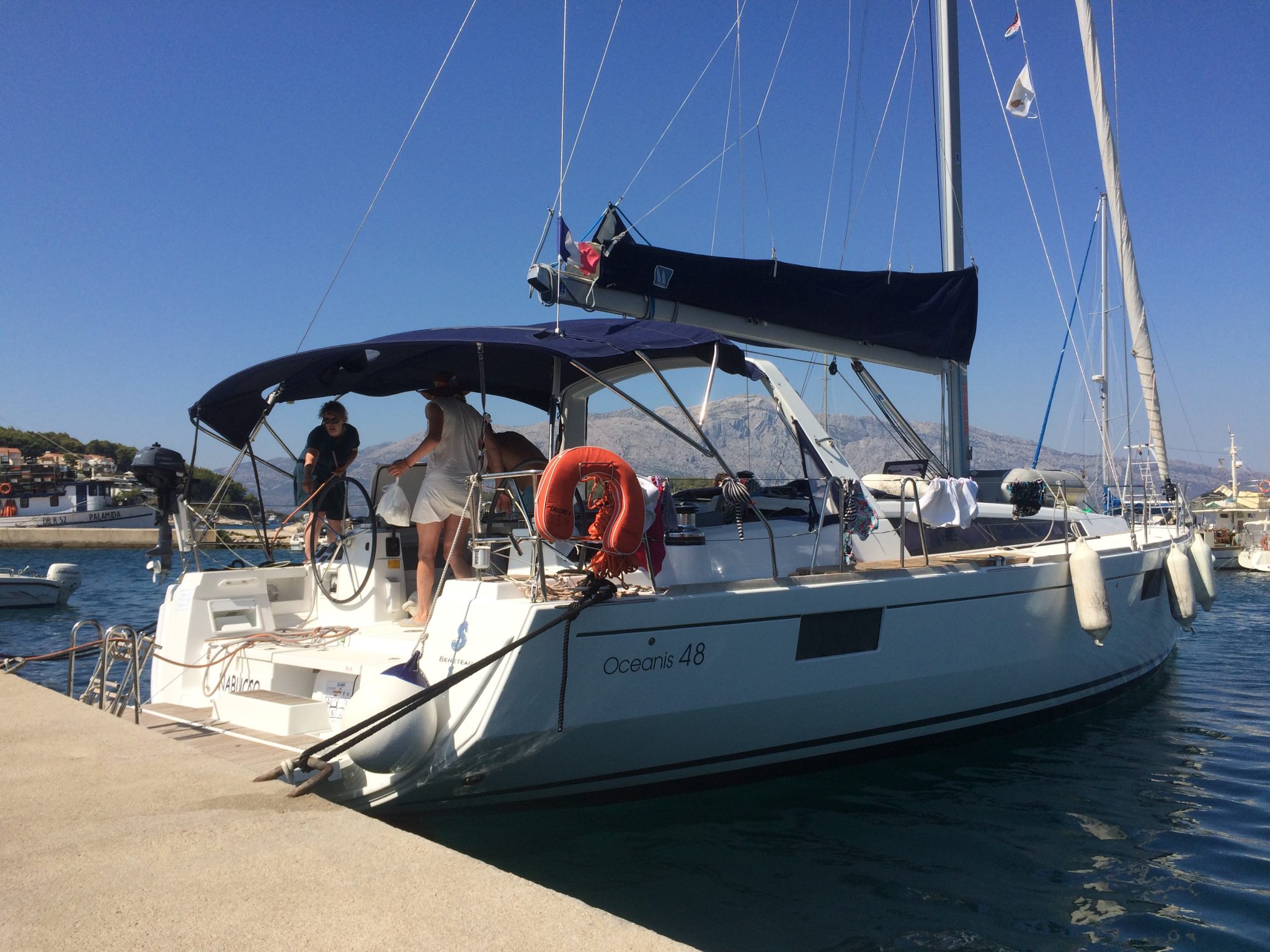
Should I list my boat on a peer to peer site?

While it is comforting to know that your own boat is safely waiting for you in the harbour, if like many owners, you are not able to use your boat as often as you like, then chartering out your boat can help to cushion your expenses. As long as boats are well maintained, it is safe to say that those which are sailed regularly by competent crews are going to be in a better state than those which are left idle for months on end.

For the boat owners’ peace of mind, charterers are asked to provide the boat owners with their sailing CVs and bookings are not confirmed until the owner is fully satisfied with the hirer’s credentials. Boat lovers who do not yet have their own boating qualifications can sail with a skipper and gain experience along the way. After the charter, both owners and hirers are asked to rate and review the experience, in a similar way to the Airbnb system.


Airbnb of the Seas

Platforms such as Click&Boat, the “Airbnb of the Seas”, will no doubt prove more and more popular in the future, both for owners and charterers. On the one hand, yacht ownership calls for serious levels of financial commitment and recouping some of the costs by chartering your boat in this way makes a lot of sense. On the other hand, for those who want to go sailing but lack sufficient time and/or money resources to own a boat themselves, this solution also makes a lot of sense.


ColRegs – avoiding collisions at sea

ColRegs - avoiding collisions at sea ColRegs Rule 8: Action to avoid collision (a) Any action taken to avoid collision shall...

Avoiding personal dangers at sea

In order to stay safe at sea, we need to know the risks we are facing and to be aware of any personal dangers we could possibly encounter. Here are six of the most common potential dangers individual crew members should be aware of.

First aid at sea – four common emergencies

In this blog we look at what to do in the event of a crew member choking, drowning, or suffering from hypothermia or fatigue. Knowing how to cope with them could well save a life, while not knowing could result in an avoidable tragedy.

You Need To Understand The IRPCS ColRegs To Pass Your Yachtmaster, Master of Yachts and Coxswain Certificate of Competence

IRPCS ColRegs Rules of the Road at Sea and Yachtmaster Learning, understanding and remembering the International Regulations...

Tacking a sailing boat

Tacking is the sailing manoeuvre used to change a boat's direction through an oncoming wind. Tacking a sailing boat calls...

Marine toilets – care and maintenance

There are a number of different types of marine toilet, or heads. They fall into one of three categories – manual, electric and vacuum, the most common being the manual, hand pumped type. These have double acting piston-pumps which both discharge the waste and flush the toilet with sea water.

Boat ownership

Owning a boat is a big commitment that should bring no end of satisfaction for the owner as well as the owner's family and friends. In...

Going aground – what to do if it happens to you

When a yacht runs aground, it can be a stressful situation, especially on a falling tide in an exposed position with a swell running. There are several steps you can take to address the situation in order to ensure the safety of your vessel and its occupants. Here are some tips should this happen to you.

First Aid Afloat – Jellyfish Stings

Jellyfish stings are a common occurrence when boating or swimming in many parts of the world. While most stings are not serious, some can cause...

How to improve a yacht’s upwind performance

There are several ways to improve the upwind performance of a sailing yacht. Read on for some useful tips including headsail reefing, heavy weather jibs and motor sailing.

Boating emergency – how to broadcast a MAYDAY emergency call

How to broadcast a MAYDAY emergency call   How to broadcast a MAYDAY emergency call if a vessel or person is in grave...

Propeller care and maintenance

Propellers are complicated and repairs should be done by specialists but owners can carry out checks and some routine maintenance themselves when the boat is in the boatyard. A propeller is critical to a boat’s performance, fuel consumption and ride, so it makes sense to keep a propeller in good working order.

Jester Challenge 2022 – Sailing single handed from Plymouth UK to the Azores: Part 9 – Around the Azores

Jester Challenge – A modern experiment in old-fashioned self-reliance, self sufficiency, and personal responsibility. This is the ninth of a 10-part post where solo sailor, Bernie Branfield, shares his first-hand account of his single-handed, 2022 Jester Challenge, from Plymouth, UK to the Azores, in his 26′ Invicta Mk2, Louisa.

Boat surveys

A full boat survey assesses the condition of the hull, mechanical gear and means of propulsion. The survey is carried out with the boat...

Engine failure at sea – common causes and how to avoid them

Many engine failures are caused by lack of maintenance, resulting in fuel filter blockages, water pump failures, overheating and other breakdowns. Indeed, one of the most common reasons for marine rescue service call outs is for one of the most basic reasons possible – boats that have run out of fuel.

Marine diesel exhaust checks

You should inspect the exhaust system for corrosion damage regularly, especially around the injection bend. If you have noticed the engine exhaust smoking a lot during the sailing season this can also indicate a number of potential problems.

Boat engine cooling systems

Some boat engine breakdowns are unavoidable but those caused by lack of maintenance or regular checks can be avoided. Failure to maintain an engine’s cooling system is a well known example of this, so it is well worth spending time checking over the cooling system both when the boat is ashore and afloat.

Boat plumbing maintenance & troubleshooting

A boat’s fresh water system needs annual maintenance to keep it in good condition. Some boats have far more complex systems than others, with pressurised hot and cold water, associated pumps, an accumulator, calorifier and pressure valves, all to keep a boat owner busy.

The dangers of running aground in a motor boat

The peril of grounding a motor boat is not only an inconvenience; it can lead to substantial risks for both the vessel and its passengers. . In this article, we’ll explore the potential dangers of running aground and highlight the importance of proper navigation and preparedness to avoid these hazards!

Antifouling for leisure boats – Part 1

Boats that are kept afloat can very quickly become a home for small marine organisms such as barnacles, weed and slime. Applying an antifouling paint to your hull is necessary to protect it from these micro-organisms, as a fouled hull can cause problems and will slow down a boat’s maximum speed considerably if left unchecked.

Feeling anxious at sea

  Some people feel anxious at sea. Will they be seasick? What if they get caught in a violent storm? Could the boat...

Repairing chips and dings in gelcoat

The gelcoat topsides of a GRP boat can be pampered and restored to their former glory relatively easily when it is ashore. Gelcoat is only a very thin outer layer of the hull, often less than 1mm thick, so you should avoid cleaning it with highly abrasive cleaners, or an-ything that could potentially damage its surface.

Essential yacht tender safety for skippers and crew

Essential yacht tender safety - the dangers inherent in using a dinghy to get ashore from a moored or anchored yacht are all too easily...

Passage planning and pilotage

Passage planning and pilotage help skippers navigate safely from one port to another. A passage plan takes into account all...

Keel maintenance and repair – Part 1

Keels are designed to act as underwater foils that generate lift as the boat moves through the water, counteracting the leeward force of the wind and enabling the boat to sail closer to the wind. Keel maintenance and repair is essential for the performance of your boat.