Select Page

If you’re planning to join the highly selected group of boat owners, there are a few things you should bear in mind. Buying a boat isn’t so different from buying a new car. Both purchases involve careful research and a clear idea of what to look for. Although the details of this decision might sometimes feel overwhelming, fear not: this guide is here to help you. 

Ahoy!

The first question that comes to mind when thinking about buying a boat is: what type of boat? There are more than 20 different kinds, of different sizes, for different purposes, and different pockets. So, your first step is to decide your boat type. 

You can find secondhand boats for considerably lower prices. Should you go for this option, you might also enjoy these tips for improving your boat. Anyway, before pulling the anchor chain, there are some crucial details to observe. 

Know Your Business

Once you’ve chosen the kind of vessel you want, it’s time to learn how to operate it properly. Take a boat driving course for the model you want. Driving a boat has nothing to do with driving a car, as factors like waves, winds, currents, and other boats come into play. Don’t hit the waters before acquiring an adequate nautical license and essential skills for smooth sailing.

Where to Store It

You’ll need to set up a place to store your boat. There are efficient dock systems for all kinds of vessels. There’s also the option to leave it in a private boat parking spot or marina. Anyway, this critical aspect can’t be overlooked in your plans. 

Insurance

Boats are expensive investments, and yours should never leave the dock without insurance. Insurance can protect your property from theft, damage by collision or cause by the elements, and accidents involving other vessels.

Stay Afloat

There are boats for fishing, sailing long distances, and for holiday trips. They differ in size, prices, and necessary skills to operate them. You’ll need quite specific boat skills for a yacht, for instance. Here are some standard options if you’re looking for a boat for leisure or water sports. 

Deck Boats

Deck boats are perfect for those who love speed and practicality. It’s not a vessel that will cross the oceans, but it’s roomy enough to bring family and friends on a day trip. Deck boats are pretty small, and their V-shaped hull allows them to be stored in regular garages and carports.

Sailboats

Sailboats are as old as they are simple. Moved by the wind, a sailboat can take the skilled sailor anywhere, even between continents. These boats come with two sails: the main and the head. Nowadays, it’s possible to find mono-hull and multi-hull sailboats. Anyway, if you don’t have any experience with sailing, it’s not the best boat for you right now. 

Cuddy Cabin

A cuddy cabin is a small cabin that is placed under a deck. Like the deck boats, they’re easy to maneuver and relatively small. Still, it’s excellent for fishing and short trips, as they’re pretty fast and have considerable storage space. 

Yachts

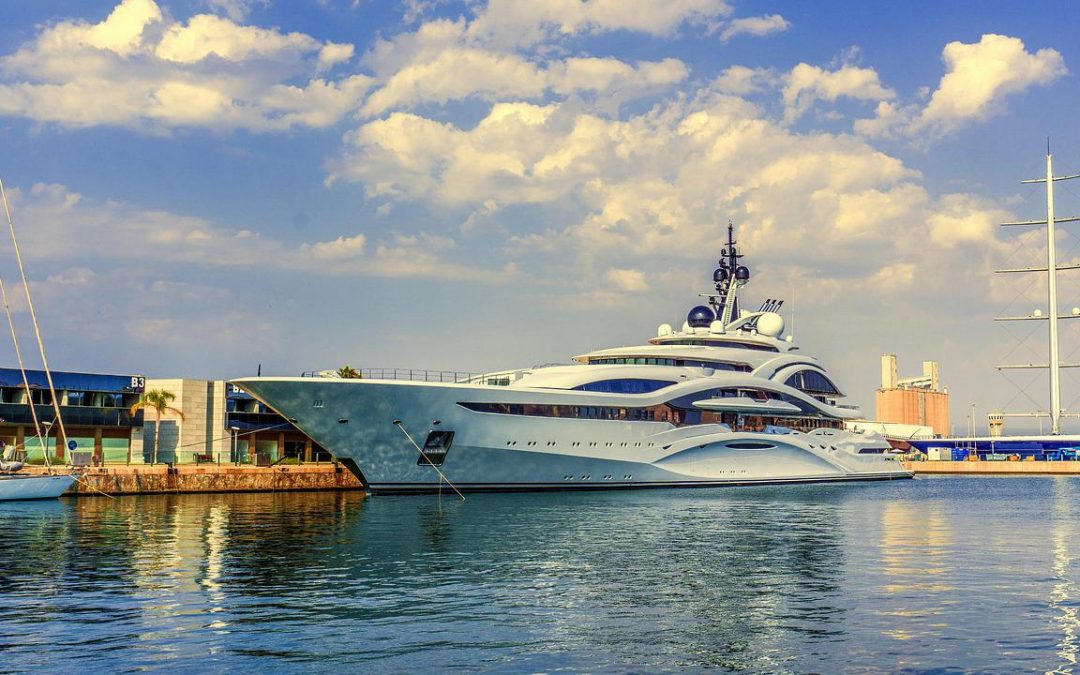
Excellence doesn’t come cheap, and the limousine of the seas can cost a real fortune to their owners. Still, nothing yells “luxury” louder than a yacht. A “humble” yacht is at least 20 m long, although flagship vessels can span over 100 m. 

Haul On the Anchor Chain

There are plenty of excellent reasons for buying a boat. However, it’s a step that requires a lot of planning. Consider all the costs involved in maintaining a boat, not only the price tag and fuel consumption. Above all, apply for the right nautical license for your needs.


Passage planning and pilotage

Passage planning and pilotage help skippers navigate safely from one port to another. A passage plan takes into account all...

Repairing a leaking hull-to-deck joint

If you suspect a hull-to-deck joint has failed, then being absolutely sure where the actual leak is occurring is of prime...

Man Overboard Drill

How to respond to crew overboard under sail • Keep the MOB in sight • Tack into the heave-to position, do not adjust the...

Sailing & Motoring in Fog

Sailing & Motoring in Fog You can only measure the visibility accurately if sailing & motoring in fog when you have...

Gybing a sailing boat

Gybing is the sailing manoeuvre used to change a boat's direction through a following wind. As with the tacking manoeuvre,...

Leaking decks

Leaking decks are perceived as a nuisance by some boat owners, but if leaks are ignored a much more serious situation may well be developing, especially in the case of boats with balsa or plywood deck cores. So deck leaks do need to be investigated and dealt with.

Liferafts

Liferafts should be stowed where they are ready for immediate launching. All crew should know the location of the liferaft and know how to launch, inflate and board it. They should also know what equipment it contains.

Top Tips For Learning: ColRegs Boating Rules Of The Road

Colregs Boating Rules Of The Road
The International Regulations for Preventing Collisions at Sea (COLREGs) are a set of rules designed to prevent collisions between vessels. They are essentially the “rules of the road” for boats. Some key concepts within the COLREGs include:

Essential Knots: Figure of eight

Essential Knots: Figure of eight Use: Stopper knot, prevents a rope from being pulled through a hole e.g. through a block or...

2023 Rolex Fastnet Race

Safe Skipper’s Simon Jollands took part in the 2023 Rolex Fastnet Race – a classic offshore sailing event. This is the first of several articles on the race and focuses on the start.

Tips and advice for staying safe on a sailboat at sea

Here we focus on how to stay safe on a sailboat at sea. We cover key things to ensure you have on board before you set sail as well as covering the most common cause of incidents on sailboats and how to deal with them.

Sailing Safely at Night – Best Practice

Sailing at night can be a magical experience – the peaceful solitude, starry skies, and gentle lapping of waves create an unforgettable atmosphere. However, nighttime sailing also presents unique challenges and risks that require careful preparation and vigilance. This comprehensive guide will cover essential safety practices to ensure your nocturnal nautical adventures are both enjoyable and secure.

Understanding marine sealants & adhesives

Sealants, adhesives and adhesive sealantsThere is a bewildering variety of sealants, adhesives and even adhesive sealants available for...

Avoiding personal dangers at sea

In order to stay safe at sea, we need to know the risks we are facing and to be aware of any personal dangers we could possibly encounter. Here are six of the most common potential dangers individual crew members should be aware of.

Tools and spares for your boat

Tools and Spares to take to sea!

You won’t regret taking a look at our essential tips and checklist to make sure you’re prepared for routine maintenance and those unexpected jobs that come up whilst you’re afloat!

Marine toilets – care and maintenance

There are a number of different types of marine toilet, or heads. They fall into one of three categories – manual, electric and vacuum, the most common being the manual, hand pumped type. These have double acting piston-pumps which both discharge the waste and flush the toilet with sea water.

Safety Briefings – leave nothing to chance

Before giving your crew a safety briefing, it is worth considering the specific circumstances of the planned trip, the...

A five day sailing cruise of the Solent, UK

Welcome to our virtual Solent sailing cruise – a five day sail in the south of England from Bosham Quay in Chichester...

Propeller care and maintenance

Propellers are complicated and repairs should be done by specialists but owners can carry out checks and some routine maintenance themselves when the boat is in the boatyard. A propeller is critical to a boat’s performance, fuel consumption and ride, so it makes sense to keep a propeller in good working order.

Marine engine oil system maintenance

The regular maintenance of a marine diesel is key to preventing engine failure at sea. This means doing regular checks of the fuel, cooling, electrical and oil systems.

Diesel engine winterisation

An inactive boat engine needs to be protected from corrosion during the winter, caused by the rising humidity levels through the cold months and the salty coastal air. This applies whether the boat is left afloat or hauled out over the winter. Read here about the two important stages of winterisaton for a diesel boat engine.

How a propeller works

Have a look around any boatyard and you will notice quite a variety of propellers – some have two blades, some have three and others have four or more. While most propellers are completely rigid some have blades that fold.

2023 Rolex Fastnet Race – Part 2

Simon Jollands took part in the 2023 Rolex Fastnet Race. This is the second of his articles on the race aboard Lancelot II, a Beneteau First 40.

Learning about diesel engine maintenance

Marine diesel engines are internal combustion engines that are designed specifically for use in maritime applications. These engines are commonly used in a variety of watercraft, ranging from small boats and yachts to large ships and vessels. Learn about marine diesel engine maintenance courses.

Boat engine basics

Boat engines come in all shapes and sizes and include inboards, outboards, petrol, diesel, electric and hybrid systems. Some engines are...