


Essential Knots: Bowline
Essential Knots: Bowline Use: Making a secure eye or loop in the end of a rope. Bowlines have many uses on a boat, for example to make a loop in a mooring line to go over a bollard, or to secure a jib sheet to a head sail. This is one of those very useful knots to go...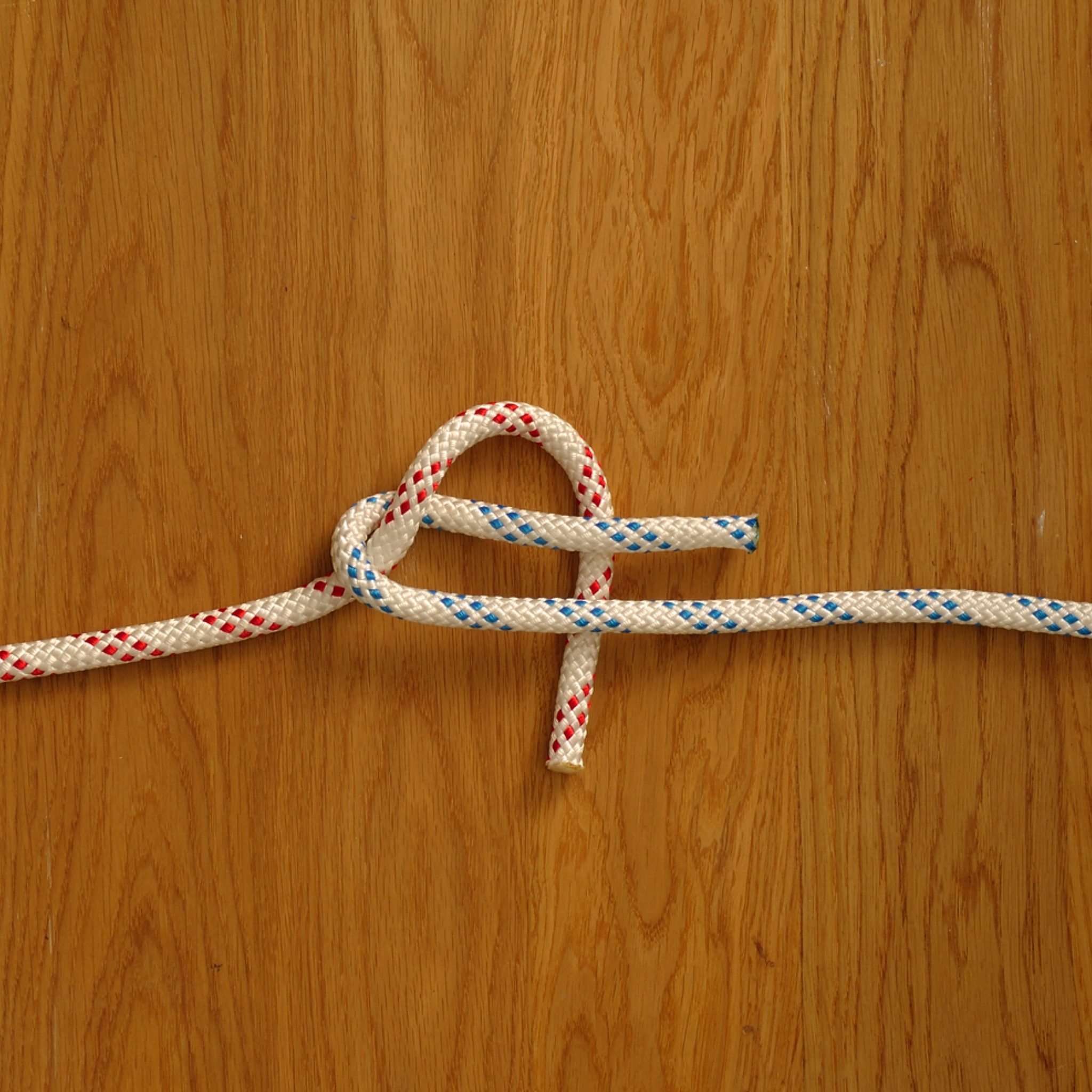
Essential Knots: Sheet bend
Essential Knots: Sheet bend Use: Joining two ropes together. A sheet bend is particularly useful for joining two ropes of different thicknesses together and is very secure. Step 1. Make a bight in the end of one rope (the thicker one if the two are different...
Essential Knots: Clove hitch
Essential Knots: Clove hitch Use: Tying a rope to posts, bollards, rings or a guardrail. Step 1. Make a turn around the object and lay the working end diagonally back over the standing part. Step 2. Pass the working end round the object and back through the loop. Step...
Essential Knots: Round turn and two half hitches
Essential Knots: Round turn and two half hitches Use: Tying a rope to a pole or a ring. Step 1. Pass the end around the object. Step 2. Make a second turn. Step 3. Take the working end over the standing part, tuck it between the two parts to make the first hitch. Step...
Hull inspection – the annual checks
With the boat ashore for the winter it is time to do a hull inspection – the annual checks. Are there any scratches and chips in the gelcoat? What about the rudder and keel? Are there any signs of osmosis? Do you have records and checklists to help ensure no...
Feeling anxious at sea
Some people feel anxious at sea. Will they be seasick? What if they get caught in a violent storm? Could the boat capsize or sink? What if they fall overboard? If a crew member is feeling anxious at sea then they may need reassuring by their crew mates. They...
Seasickness – how can you prevent it?
Seasickness is a common problem at sea and affects both seasoned sailors and novices. What are the causes and symptoms of seasickness? How can you prevent seasickness and what medications can you take?It can take time to acclimatise to a boat moving around beneath you...
Essential yacht tender safety for skippers and crew
Essential yacht tender safety – the dangers inherent in using a dinghy to get ashore from a moored or anchored yacht are all too easily underestimated. A recent experience caused me to have a serious think about essential yacht tender safety. Recently I faced...
Gybing a sailing boat
Gybing is the sailing manoeuvre used to change a boat’s direction through a following wind. As with the tacking manoeuvre, gybing a sailing boat calls for the crew to work together as a team and is one of the first sailing skills to learn. When a boat is sailing... Download from iTunes
Download from Google Play
 Download from iTunes
Download from Google Play
 Download from iTunes
Download from Google Play
 Download from iTunes
Download from Google Play
 Download from iTunes
Download from Google Play
 Download from iTunes
Download from Google Play
 Download from iTunes
Download from Google Play
 Download from iTunes
Download from Google Play

This content isn't available right now
When this happens, it's usually because the owner only shared it with a small group of people, changed who can see it or it's been deleted.
This content isn't available right now
When this happens, it's usually because the owner only shared it with a small group of people, changed who can see it or it's been deleted.
