
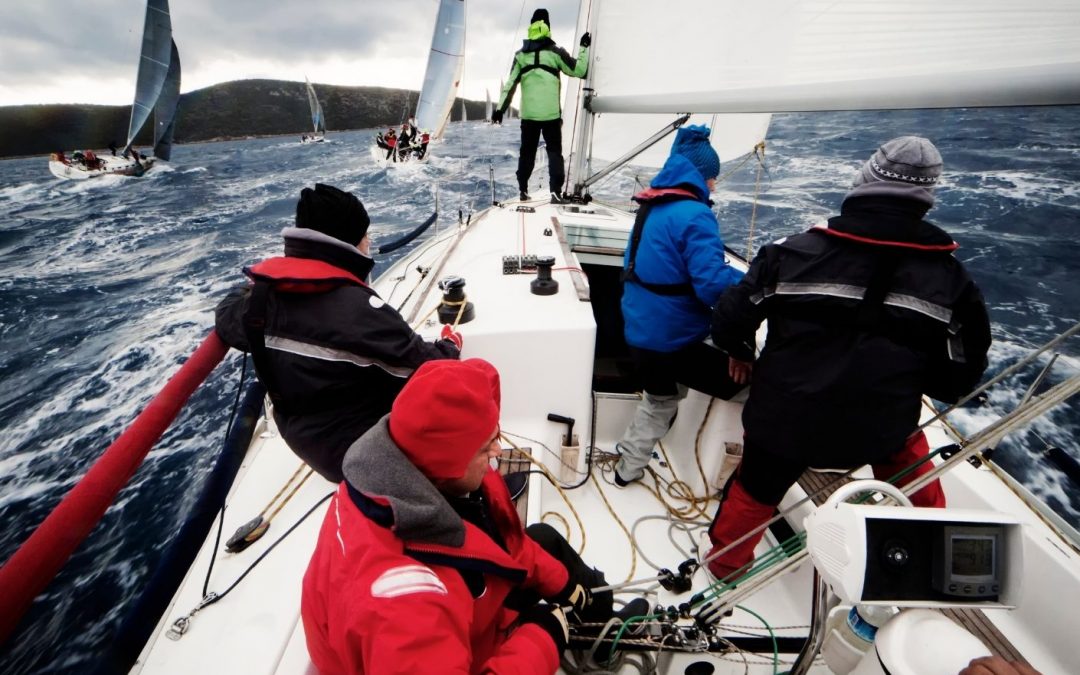

Safety at sea principles
Safety at sea is not as simple as just spending money adding shiny new emergency equipment such as liferafts, danbuoys, distress flares, EPIRBs and so on. While these items are important, it’s better to view them as an insurance that offers a potential lifeline when...
Nautical paper charts – a reminder of the basics
In this age of easy to use and highly accurate electronic navigation, conventional paper nautical charts are still regularly used by mariners. Even in cases where electronic charts have replaced them for primary use, paper charts are a reliable backup should the...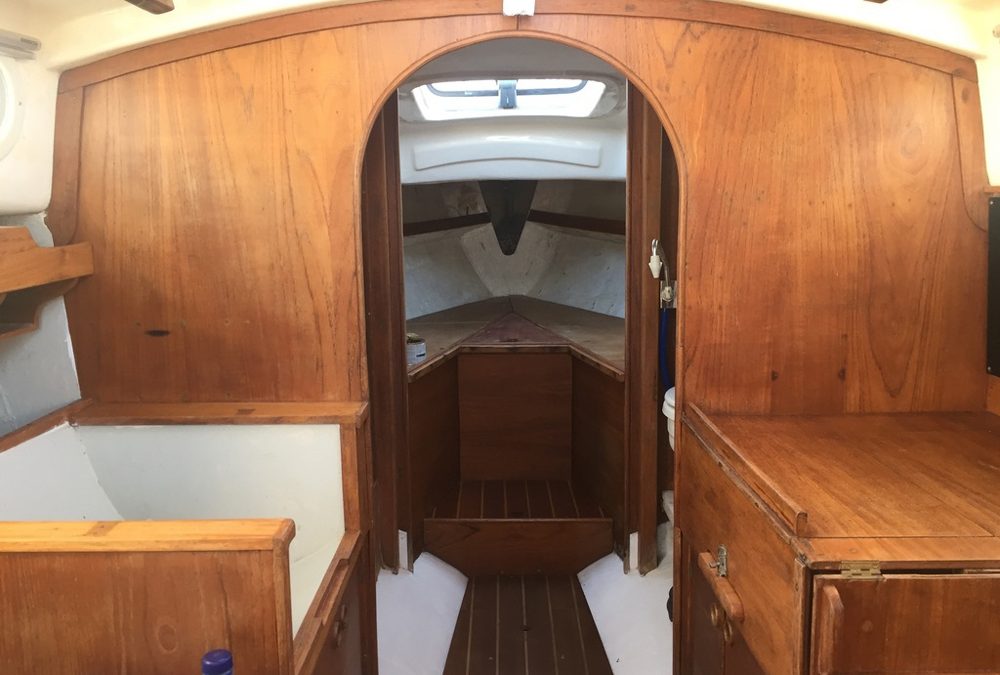
Boat interior varnishing
Boat interiors on the whole are pretty resilient but over time bulkheads, doors, the cabin sole and surfaces become scuffed, stained and suffer general wear and tear due to the marine environment. In an ideal world, the best location to undertake such a project is...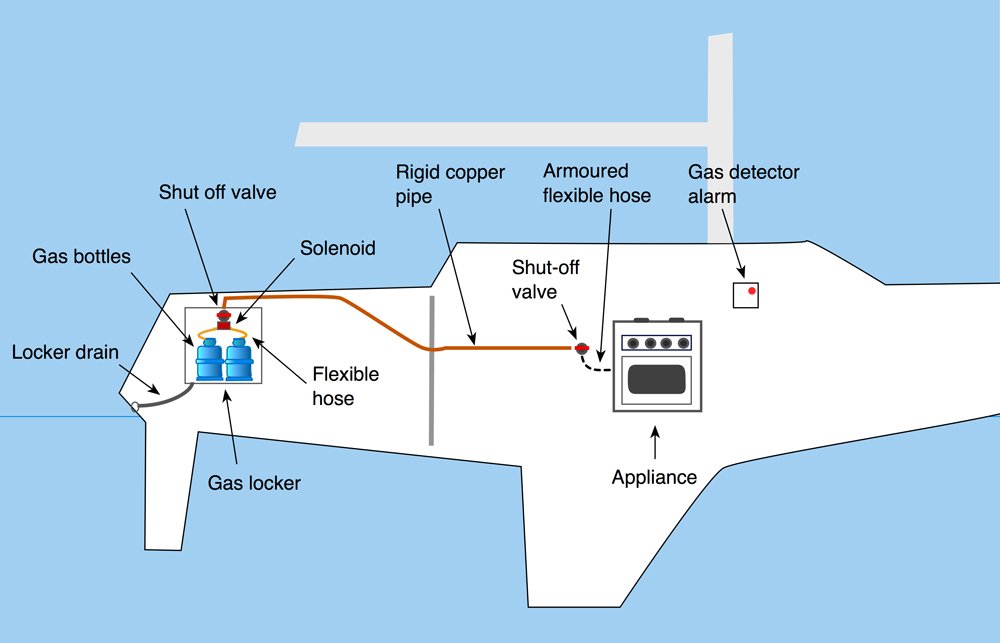
Boat gas system maintenance
There are correct types of hose for marine plumbing, sewerage, exhaust, cooling and gas and all hoses should be checked regularly for wear and deterioration. Hose clips should also be checked for corrosion. Nowhere is this more important than with the gas system, so... Download from iTunes
Download from Google Play
 Download from iTunes
Download from Google Play
 Download from iTunes
Download from Google Play
 Download from iTunes
Download from Google Play
 Download from iTunes
Download from Google Play
 Download from iTunes
Download from Google Play
 Download from iTunes
Download from Google Play
 Download from iTunes
Download from Google Play

🗺️ Nautical Chart Symbols - your complete quick reference app to the symbols used on Electronic (ECDIS) Nautical Charts, as specified by the International Hydrographic Organization (IHO). ![]()
![]() Nautical Chart Symbols: Your digital bridge companion.
Nautical Chart Symbols: Your digital bridge companion.![]()
![]() ✅ Complete reference for ECDIS symbols
✅ Complete reference for ECDIS symbols![]()
![]() ✅ Compliant with IHO specifications
✅ Compliant with IHO specifications![]()
![]() ✅ Fast, intuitive, and mobile-friendly
✅ Fast, intuitive, and mobile-friendly![]()
![]() ⚓️ Never second-guess a chart symbol again!
⚓️ Never second-guess a chart symbol again!![]()
![]() Take a look:
Take a look:![]() 🌐 bit.ly/SS_ECDIS
🌐 bit.ly/SS_ECDIS ![]()
![]() #sailing #yachting #boating #ECDIS #nauticalcharts #chartsymbols #watercraft #SafeSkipper #safetyatsea
#sailing #yachting #boating #ECDIS #nauticalcharts #chartsymbols #watercraft #SafeSkipper #safetyatsea
** 𝗡𝗘𝗪𝗟𝗬 𝗨𝗣𝗗𝗔𝗧𝗘𝗗**![]() Quick reference, essential first aid for all seafarers, that now includes:
Quick reference, essential first aid for all seafarers, that now includes: ![]()
![]() 🔎 Search function - by condition, emergency or keyword - jump straight to a section
🔎 Search function - by condition, emergency or keyword - jump straight to a section![]()
![]() 📍 Get location - one click provides current longitude & latitude, add a note, save log
📍 Get location - one click provides current longitude & latitude, add a note, save log![]()
![]() 🔄 Share location (with data connection)
🔄 Share location (with data connection)![]()
![]() 🔖 Save pages as Favorites for quick access
🔖 Save pages as Favorites for quick access![]()
![]() 📝 Crew Register page for Skippers - add crew members' details, vessel details and more to include:
📝 Crew Register page for Skippers - add crew members' details, vessel details and more to include:![]() - Full name
- Full name![]() - Medical conditions / illnesses
- Medical conditions / illnesses![]() - Allergies
- Allergies![]() - ICE contact name, relationship, phone, alternative phone
- ICE contact name, relationship, phone, alternative phone![]() - Additional notes
- Additional notes![]()
![]() ✅ Everything is saved locally on the device - no internet required, nothing leaves the device, all editable!
✅ Everything is saved locally on the device - no internet required, nothing leaves the device, all editable!![]()
![]() Check it out in the App Store ⤵️
Check it out in the App Store ⤵️![]() apple.co/3QE5bJ3
apple.co/3QE5bJ3![]()
![]() #FirstAidAtSea #BoatingFirstAid #FirstAidEssentials #SailingFirstAid #FirstAidAfloat #SafetyatSea #Sailing #Boating #Watercraft
#FirstAidAtSea #BoatingFirstAid #FirstAidEssentials #SailingFirstAid #FirstAidAfloat #SafetyatSea #Sailing #Boating #Watercraft

