Select Page

Gybing a sailing boat

Gybing is the sailing manoeuvre used to change a boat's direction through a following wind. As with the tacking manoeuvre,...

How to improve a yacht’s upwind performance

There are several ways to improve the upwind performance of a sailing yacht. Read on for some useful tips including headsail reefing, heavy weather jibs and motor sailing.

How a propeller works

Have a look around any boatyard and you will notice quite a variety of propellers – some have two blades, some have three and others have four or more. While most propellers are completely rigid some have blades that fold.

Understanding tides

If you are used to sailing in tidal waters, you will know that tides can be both a benefit and a hindrance to the sailor. In many ways,...

Feeling anxious at sea

  Some people feel anxious at sea. Will they be seasick? What if they get caught in a violent storm? Could the boat...

Points of Sailing

The course on which a boat is sailing can be described by its angle to the wind, not to be confused with its compass...

Essential Yachting + Power Boat Safety Briefing

Yachting Safety Briefing   Down below Lifejackets and harnesses - fitting, when to wear, clipping on Gas - risks, precautions, gas bottles and...

Engine failure at sea – common causes and how to avoid them

Many engine failures are caused by lack of maintenance, resulting in fuel filter blockages, water pump failures, overheating and other breakdowns. Indeed, one of the most common reasons for marine rescue service call outs is for one of the most basic reasons possible – boats that have run out of fuel.

2023 Rolex Fastnet Race – Part 3

This is our third and final article about the 2023 Rolex Fastnet Race. It is a first hand account by Simon Jollands who was one of the crew of Lancelot II, a Beneteau First 40 skippered by John Gillard.

Boat maintenance log

Keeping a boat maintenance log is an ideal way of reminding owners what needs to be done to a boat and when. Read on for some tips,...

Essential Boat Spares for Safety

  Boats Spares Tool kit What you carry in the boats tool kit will be useful for many boat repairs, but you might want...

Tacking a sailing boat

Tacking is the sailing manoeuvre used to change a boat's direction through an oncoming wind. Tacking a sailing boat calls for the crew to work as a...

Sailing Boat Rig Care

The rig of a sailing boat is put under huge stresses and strains so it is important for inspections of a yacht’s spars and rigging to be carried out at regular intervals.

Boat engine basics

Boat engines come in all shapes and sizes and include inboards, outboards, petrol, diesel, electric and hybrid systems. Some engines are...

Sail care and maintenance – Part 1

When thinking about the care, maintenance and repair of sails it helps to have some understanding of the properties of the ever growing range of modern sailcloth and the fibres they are made from, as opposed to the traditional canvas sails of the past.

A simple guide to understanding tides when passage planning

Understanding tides when passage planning When planning a trip in tidal waters, check the tides before going afloat. Use...

Hourly Checks when sailing or motoring

  Hourly Checks Get into the habit of carrying out these checks and both yourself, your crew and your boat will be...

VHF DSC radio – how best to communicate at sea

There are many ways to communicate with others at sea. What makes the VHF DSC radio the best form of short range...

Jester Challenge 2022 – Sailing single handed from Plymouth UK to the Azores: Part 5 – Boat Management

Jester Challenge – A modern experiment in old-fashioned self-reliance, self sufficiency, and personal responsibility. This is the fifth of a 10-part post where solo sailor, Bernie Branfield, shares his first hand account of his single-handed, 2022 Jester Challenge, from Plymouth, UK to the Azores, in his 26′ Invicta Mk2, Louisa.

Narrowboating on the Kennet and Avon Canal

A recently cancelled sailing event I was due to take part in left us with a free weekend in the diary. Given that my wife and I were celebrating a bumper wedding anniversary and the weather forecast was for fine weather, we decided to hunt around for a last minute canal holiday.

Getting a tow for your sail or power boat at sea or on inland waterways

FREE tips from the Safe Skipper App for iPhone/iPad/Android: Getting a tow for your sail or power boat Plan how to secure a...

Essential boat engine checklist

Boat engine checklist Engine oil level check Even if you have checked it previously, confirming the engine oil level is up...

Safe Skipper – crew management tips

Effective crew briefings are a vital part of the good on-board communication that helps everything to run smoothly on a sailing vessel at sea, whether it is cruising or racing.

Understanding marine sealants & adhesives

Sealants, adhesives and adhesive sealantsThere is a bewildering variety of sealants, adhesives and even adhesive sealants available for...

Keel design – options to consider when choosing a yacht

Keel design is constantly evolving and nowhere is this more apparent than in modern racing yachts such as the Imoca Open 60...

Welcome to the Safe Skipper website.


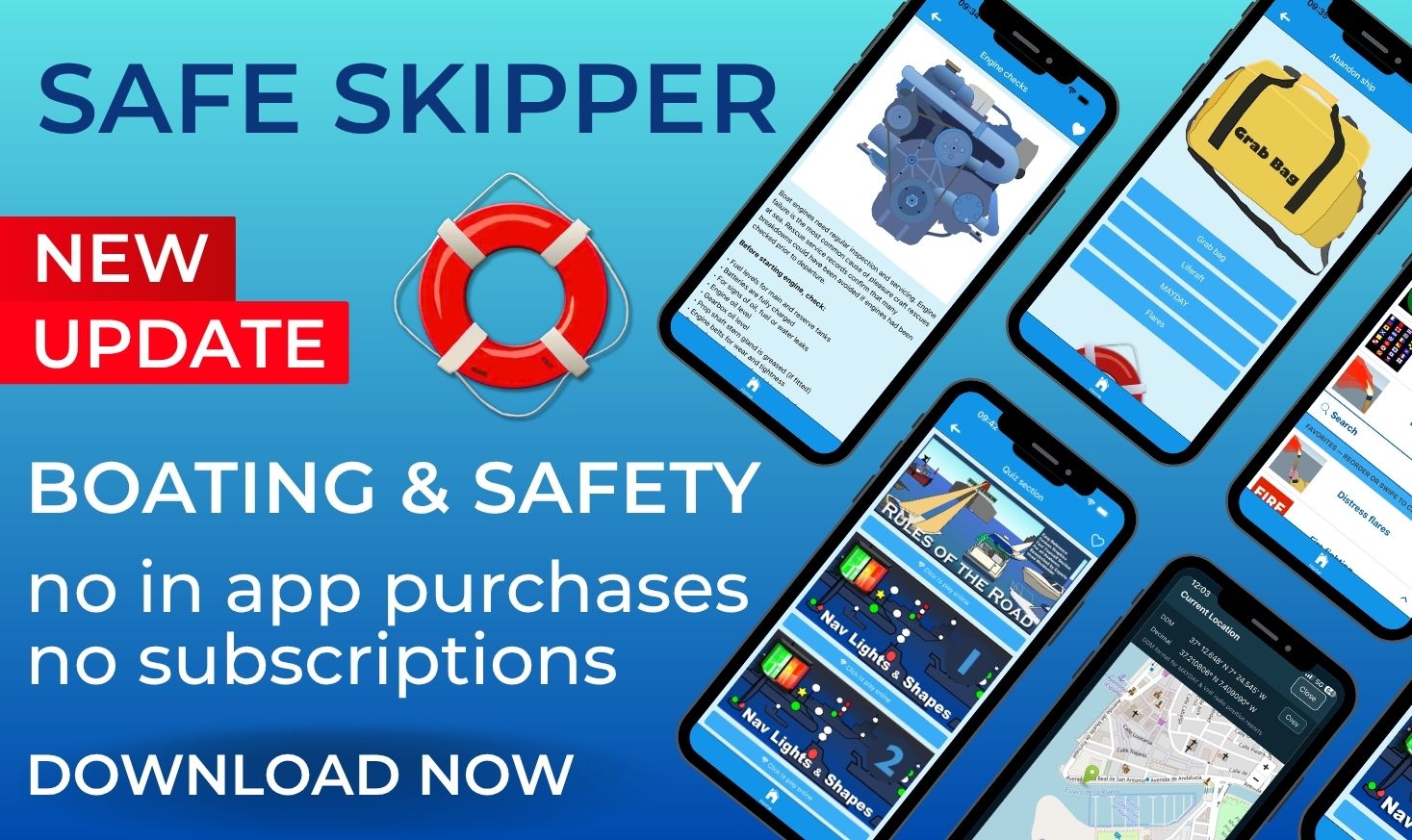
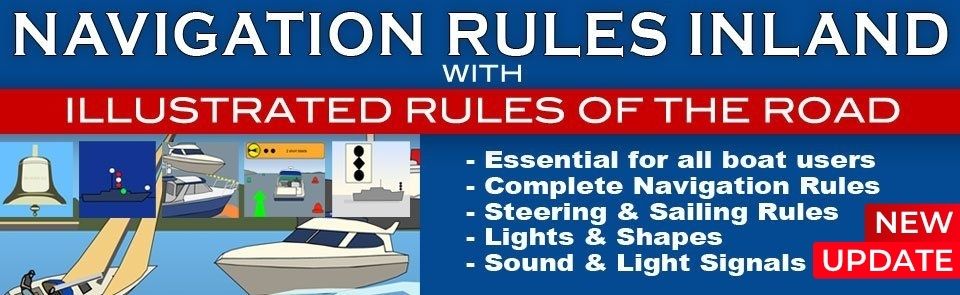
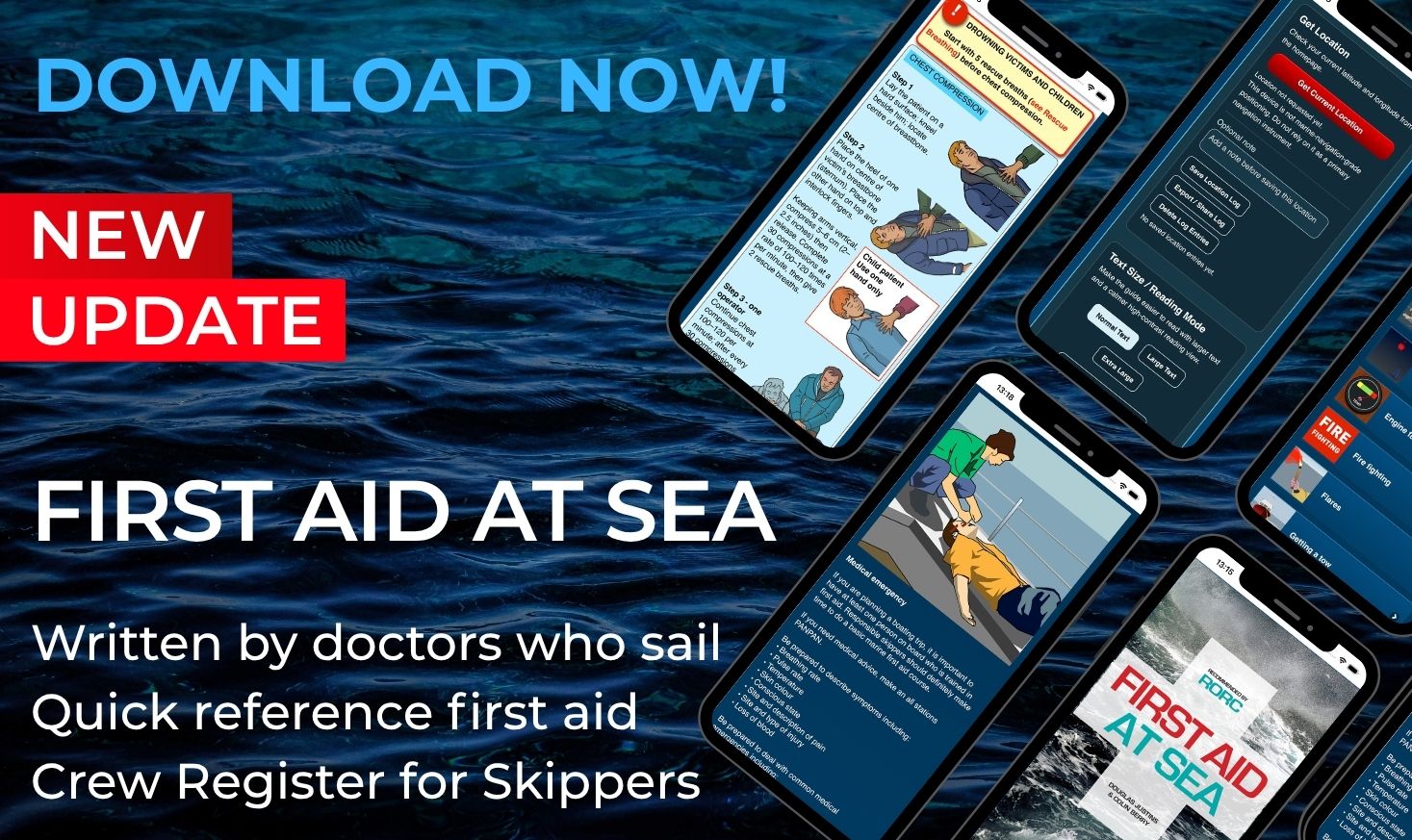
Safe Skipper is run by boating enthusiasts who also have a background in publishing and TV production, design and app development. As well as creating great content for the website, we’ve developed a range of popular boating apps that allow you to get safely out on the water whilst having essential information to hand, covering International ColRegs: Nav Lights & Shapes, Rules of the Road, Buoyage & Lights to knot tying, nautical chart symbols and first aid at sea – all information available to you when on the water, on your phone or tablet, when you need it.

We’re regularly adding new articles to the site, hope you’ll bookmark us and visit again soon.

Before you go, scroll down to our boating quizzes and check your boating knowledge!

Rudders and steering systems – Part 3

In the third of our three blog articles on rudders and steering systems, we look at how to replace rudder bearings and repair a water-saturated core.

Understanding marine sealants & adhesives

Sealants, adhesives and adhesive sealantsThere is a bewildering variety of sealants, adhesives and even adhesive sealants available for...

Boat maintenance log

Keeping a boat maintenance log is an ideal way of reminding owners what needs to be done to a boat and when. Read on for some tips,...

Estimating your position at sea

Navigators use a combination of techniques to estimate their position at sea. The primary method used today is GPS (Global Positioning System), a network of 24 satellites that became fully operational in the 1990s and was originally restricted for use by the United States military.

A simple guide to understanding tides when passage planning

Understanding tides when passage planning When planning a trip in tidal waters, check the tides before going afloat. Use...

Winch Servicing

It is not essential to service the winches when a boat is ashore, but if time allows I prefer to do this maintenance job when the boat...

Marine engine electrical system

The typical basic electrical system associated with a marine engine includes a dedicated engine starting battery, a starter motor, a charger in the form of an alternator, a solenoid and some engine sensors and instruments.

Cleaning & polishing painted topsides

The gelcoat topsides of a GRP boat can be pampered and restored to their former glory relatively easily when it is ashore. Gelcoat is only a very thin outer layer of the hull, often less than 1mm thick, so you should avoid cleaning it with highly abrasive cleaners, or an-ything that could potentially damage its surface.

Steel and Aluminium Hulls

The two metals used for hull construction are steel and aluminium. These are both very strong materials and will last a long time as long as they are cared for, which primarily means protecting steel boats from rust and aluminium boats from electrolytic action.

Sailboat rig checks – Part 1

Sailing boat rigs need to be checked regularly to reduce the risk of rig failure at sea. In part one of Sail boat rig checks we run through a series of useful checks that owners and skippers can carry out.

I have just downloaded and am using ColRegs Nav Lights & Shapes app, a brilliant training and reference device

Verified user

Instructor

Beautifully produced and very simple to use, a cool learning tool

Charlie

Sailor

Nav Lights & Shapes app – downloaded by 1000s of seafarers worldwide. Just one of our popular boating apps to download from the appstores for Apple and Android devices.

Crew Overboard Drill – Updated

How to respond to crew overboard A Man Overboard (MOB) drill is a crucial safety procedure that every boater should practice regularly. It simulates...

How to trim a genoa sail

I recently had two new sails made by Sanders Sails, based in Lymington UK. The first to arrive was the new genoa and it took me a little while to get to know it and learn how to adjust it correctly. Here is an aide memoire for getting to know how to trim a genoa so that it will deliver the best performance.

Estimating and plotting your position at sea

This post covers how we go about estimating and plotting our position using traditional methods, when out of sight of land – covering Dead Reckoning, Estimated Position, Tidal Streams, Leeway and more…

Engine failure at sea – keeping the boat safe

If the engine stops when you are underway, or your have to shut it down when a warning buzzer sounds, you also need to make sure the boat remains safe. It’s important therefore to recognise situations in which the boat would be immediately put in danger if the engine were to fail.

Jester Challenge 2022 – Sailing single handed from Plymouth UK to the Azores: Part 6 – Communications

Jester Challenge – A modern experiment in old-fashioned self-reliance, self sufficiency, and personal responsibility. This is the sixth of a 10-part post where solo sailor, Bernie Branfield, shares his first-hand account of his single-handed, 2022 Jester Challenge, from Plymouth, UK to the Azores, in his 26′ Invicta Mk2, Louisa.

How diesel engines work

The basic principle of a diesel engine is less complex than that of a petrol engine. No spark plug or ignition system is needed, making the basic diesel engine a comparatively straightforward system that results in fewer faults and has lower maintenance costs than a petrol engine.

Understanding tide tables and tidal curves

There are many factors that influence local tidal patterns and it’s essential for every sailor to have a good understanding of tide tables and tidal charts to ensure they can calculate the level of tide at any given time.

Essential Knots: Sheet bend

Essential Knots: Sheet bend Use: Joining two ropes together. A sheet bend is particularly useful for joining two ropes of different...

Tacking a sailing boat

Tacking is the sailing manoeuvre used to change a boat's direction through an oncoming wind. Tacking a sailing boat calls for the crew to work as a...

Essential Yachting + Power Boat Safety Briefing

Yachting Safety Briefing   Down below Lifejackets and harnesses - fitting, when to wear, clipping on Gas - risks, precautions, gas bottles and...

ColRegs Nav Lights & Shapes, Rules Of The Road and IALA Buoys Apps

ColRegs Nav Lights & Shapes, Rules Of The Road and IALA Buoys Apps Make Learning Rules on iPhone, iPad, iPod and Android...

Tips and advice for staying safe on a sailboat at sea

Here we focus on how to stay safe on a sailboat at sea. We cover key things to ensure you have on board before you set sail as well as covering the most common cause of incidents on sailboats and how to deal with them.

Liferafts

Liferafts should be stowed where they are ready for immediate launching. All crew should know the location of the liferaft and know how to launch, inflate and board it. They should also know what equipment it contains.

How to improve a yacht’s upwind performance

There are several ways to improve the upwind performance of a sailing yacht. Read on for some useful tips including headsail reefing, heavy weather jibs and motor sailing.

How a propeller works

Have a look around any boatyard and you will notice quite a variety of propellers – some have two blades, some have three and others have four or more. While most propellers are completely rigid some have blades that fold.

Engine failure at sea – common causes and how to avoid them

Many engine failures are caused by lack of maintenance, resulting in fuel filter blockages, water pump failures, overheating and other breakdowns. Indeed, one of the most common reasons for marine rescue service call outs is for one of the most basic reasons possible – boats that have run out of fuel.

Pleasure craft safety equipment recommendations

Safety equipment is an important part of boat preparation and it is advisable for all pleasure craft skippers to check their vessel is...

Antifouling for leisure boats – Part 3

Antifouling is one of the least pleasant boat maintenance jobs to do, but it has to be done. The very worst job of all is removing the old antifouling as this can get seriously messy and is very hard work.

Marine toilets – care and maintenance

There are a number of different types of marine toilet, or heads. They fall into one of three categories – manual, electric and vacuum, the most common being the manual, hand pumped type. These have double acting piston-pumps which both discharge the waste and flush the toilet with sea water.

Jester Challenge 2022 – Sailing single handed from Plymouth UK to the Azores: Part 10 – The Return Trip

Jester Challenge – A modern experiment in old-fashioned self-reliance, self sufficiency, and personal responsibility. This is the final instalment of a 10-part post where solo sailor, Bernie Branfield, shares his first-hand account of his single-handed, 2022 Jester Challenge, from Plymouth, UK to the Azores, in his 26′ Invicta Mk2, Louisa.

2026