What are the main dangers a vessel may face at sea and what should skippers do to reduce the risk of these happening?
- Collisions with other vessels

The Collision Regulations apply to “all vessels upon the high seas and in all waters connected therewith navigable by seagoing vessels” as stated in The International Regulations for Preventing Collisions at Sea. Everyone in charge of a vessel should know the rules of the road like the back of their hand and if you haven’t been at sea for a while it would be wise to read up on these before going afloat. Pay particular attention in Section 1 of the IRPCS to Rules 5 and 6 which deal with keeping a look out and maintaining a safe speed; Rule 9 which covers navigating in narrow channels. Section 2 covers the conduct of vessels in sight of one another, give way priorities and action to be taken – all of this is essential to know. For those sailing at night or in restricted visibility, all relevant rules are laid out in Section 3.

- Failure of key equipment
There are plenty of examples of sailing yachts that have overcome significant difficulties such as broken masts and rudders, yet have reached harbour using their own resources. However, equipment failure also has the potential to be incredibly demoralising and has caused a good number of crews to loose confidence in their vessel, leading to unnecessary abandonments.
The first step to avoiding equipment failure is to do daily checks of the engine, rig, and other equipment. This procedure will identify many imminent failures in advance and will also help you to get to know your boat better and improve your understanding of its various systems.
If you do encounter gear failure there are a couple of key questions that will guide your next steps:
- Is it an item that offers convenience such as ease of handling, and therefore isn’t absolutely essential, or is it one that’s vital to the operation of the boat?
- If the latter, can the broken item be readily substituted or replaced?
It is worth noting the large number of sailing yachts that are rescued by lifeboat following engine failure. The lack of a working engine often seems to cause skipper and crew to lose more confidence in the vessel than is logical. As well as the basic daily checks skippers should make sure the engine is serviced up to date and in good order. Skippers should also know how to carry out basic repairs including diagnosing starting problems, changing fuel filters, bleeding air out of the fuel system and replacing the water pump impeller. A short marine engine maintenance course is a worthwhile investment of time and money.
3 Severe weather
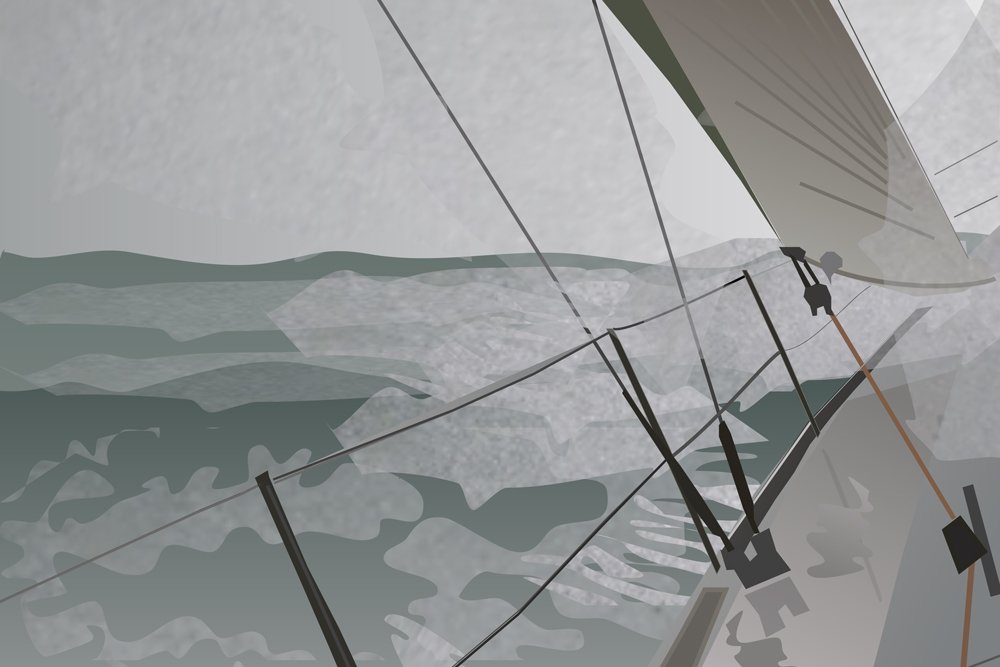
While severe weather can put a vessel in danger, most rescues at sea are carried out in more benign conditions. Even so, rough seas and strong winds can uncover existing deficiencies in the boat. The loads in the rig, for instance, reach a maximum when the boat is fully powered up – often in no more than a force 3 when sailing to windward.
On a rough day any debris that might otherwise reside on the bottom of the fuel tank will get stirred up and is likely to block fuel filters. In addition, fatigue, sea sickness and cold can all play a much larger part in the equation than on a fine day.
What constitutes bad weather will vary considerably depending on your experience, the design of your boat and the equipment carried. Those with lots of experience of sailing in a Force 7 and even occasional gales will clearly cope more easily than a crew that has never previously encountered more than a Force 5. Similarly, a boat with a well cut heavy weather and storm sails will be able to make ground to windward and away from a lee shore long after one that relies on an old and stretched deeply reefed roller genoa in such conditions.

4 Fire
Almost everything a modern boat is made of is highly combustible, so the prospect of a fire on board is one of the most frightening incidents that can happen at sea. A decent-sized fire extinguisher can be extremely effective, providing it’s used promptly, as is a fire blanket for cooking fires.
However, this is another instance in which prevention is the route to peace of mind. That means having first-rate gas system that’s properly maintained, including periodic replacement of flexible pipes and regulators. It also means that petrol for outboard engines should be stowed on deck, so the vapour from any spillages can escape, rather than stowing the fuel in a cockpit locker, where it may leak into the bilge.
It’s equally important to keep the electrical system well maintained, with the batteries firmly secured in place – a short circuit in a 12V system is capable of starting an electrical fire.

5 Sinking
Fortunately, this is a rare occurrence with modern yachts and is usually the result of external factors such as grounding, hitting debris such as a container, or collision with another vessel. However, there have also been a small number of instances in which skin fittings have succumbed to extensive electrolytic action, or the speed log transducer has been damaged.
In addition to pipework being double clipped to skin fittings, a tapered softwood plug of the correct size should be tied to the fitting to prevent it floating away and becoming lost should the boat become flooded. For the same reason, bilge pump handles should be secured by a lanyard.
When a yacht starts to fill with water it’s easy to get a false perspective – when the boat is heeled it takes surprisingly little before it starts to wash over the lee bunk in the saloon – and many boats have been abandoned prematurely for this reason. On the other hand, if you really do have a serious problem – and it’s clear the boat really is sinking rapidly– then you need to take action to raise the alarm and abandon ship immediately.
Finally, if a dangerous situation does arise, the first thing to do is to clearly assess what is going on and communicate this with the crew and if necessary radio the coastguard and alert them of your predicament. Then take positive steps to remedy the situation and be prepared to figure out viable solutions with crew members, the rescue services and other vessels in your vicinity.