Colregs Boating Rules Of The Road
The International Regulations for Preventing Collisions at Sea (COLREGs) are a set of rules designed to prevent collisions between vessels. They are essentially the “rules of the road” for boats. Some key concepts within the COLREGs include:
Basic Rules of the Road:
- Overtaking: A vessel overtaking another must keep out of the way of the vessel being overtaken.
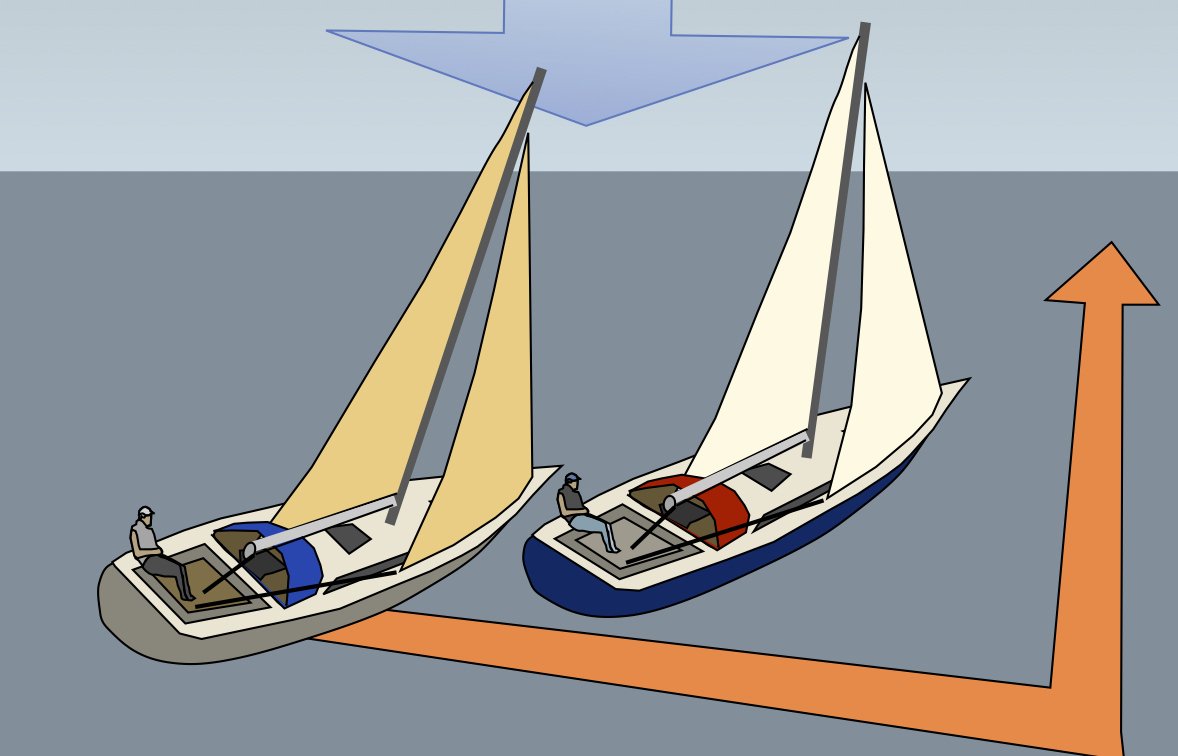
- Crossing: A vessel crossing the course of another from the starboard side must give way to the vessel on the port side.
- Head-on Situation: Both vessels must alter course to starboard to pass port-side to port-side.
Give-Way and Stand-on Vessels:
- Give-Way Vessel: The vessel required to take action to avoid a collision.
- Stand-on Vessel: The vessel that maintains course and speed.
Lights and Shapes:
- Navigation Lights: Different types of lights are used to indicate a vessel’s course, size, and manoeuvrability.
- Shapes: Some vessels, such as sailing vessels, may use shapes to indicate their intentions.
Sound Signals:
- Whistles and Horns: Vessels use sound signals to warn other vessels of their presence and intentions.
Traffic Separation Schemes:
- TSSs: These are designated areas where vessels are required to follow specific traffic lanes to reduce the risk of collisions.
It’s important to note that the COLREGs are complex and specific. To fully understand and apply them, it’s recommended to take a boating course or consult with a qualified marine professional.
Remember: The COLREGs are designed to prevent accidents, so it’s crucial to learn and follow them.

Why Skippers struggle to learn and remember the ColRegs
Several factors contribute to why skippers often find it challenging to learn and remember the COLREGs:
- Complexity and Nuance:
- The COLREGs are a complex set of rules with many nuances and exceptions.
- Understanding the specific rules for different vessel types and situations can be overwhelming.
- Visual and Spatial Reasoning:
- Many of the rules involve visualizing different vessel movements and interactions in three-dimensional space. This can be difficult for some people to grasp.
- Real-world Application:
- Applying the rules in real-world situations can be challenging, especially when dealing with unexpected circumstances or poor visibility.
- Memorisation:
- Memorising the specific rules and regulations can be difficult, especially for those who are not naturally inclined to rote learning.
- Lack of Practice:
- Many boaters may not have the opportunity to practise applying the COLREGs regularly, which can lead to forgetting the rules.
Top 10 Tips for Learning the COLREGs
The International Regulations for Preventing Collisions at Sea (COLREGs) are a set of rules designed to prevent collisions between vessels. Here are 10 tips to help you learn and understand them:
- Understand the Basics:
Learn the basic rules of the road, such as the rules for overtaking, crossing, and meeting head-on.
Understand the concept of “give-way” and “stand-on” vessels.
- Study the Rulebook:
Purchase a copy of the COLREGs and read through it carefully.
Pay attention to the diagrams and illustrations, as they can help visualise the rules.
- Take a Boating Course:
Enrol in a boating course that covers the COLREGs. A qualified instructor can explain the rules in detail and answer your questions.
- Practise with a Simulator:
Use a boating simulator to practise applying the COLREGs in different scenarios.
- Watch Educational Videos:
Many online resources offer educational videos that explain the COLREGs in a clear and concise manner.
- Join a Boating Club or Forum:
Discuss the COLREGs with other boaters and share your knowledge and experiences.
- Use Mnemonic Devices:
Create mnemonic devices to help you remember the rules. For example, “Red Right Returning” can help you remember the rule for red and green lights.
- Practise Navigating at Night:
Practise navigating at night to understand how to interpret navigation lights and avoid collisions.
- Stay Updated:
The COLREGs may be amended from time to time, so stay up-to-date with the latest regulations.
- Seek Professional Guidance:
If you have any questions or doubts, consult with a marine professional, such as a Coast Guard officer or experienced boater.
By following these tips, you can gain a solid understanding of the COLREGs and become a safer and more responsible boater. Remember, the COLREGs are designed to prevent accidents, so it’s important to take the time to learn them thoroughly.

Here are some additional tips to help you learn and understand the COLREGs:
Visualise the Rules:
Try to visualise the rules in real-world scenarios. Imagine yourself in different situations and apply the COLREGs to determine the correct course of action.
Use Real-World Examples:
Watch videos of real-world maritime incidents and analyse how the COLREGs could have been applied to prevent the accidents.
Practise with a Friend:
Practise with a friend or fellow boater. You can quiz each other on the rules and discuss different scenarios.
Take a Written Exam:
Take a written exam on the COLREGs to test your knowledge and identify areas where you need more study.
Join a Boating Organisation:
Many boating organisations offer educational resources and training courses on the COLREGs.
By combining these tips with the original list, you can enhance your understanding of the COLREGs and become a more confident and skilled boater.

Discover SafeSkipper ColRegs Nav Lights & Shapes and ColRegs Rules Of The Road Apps
Here are a few of the comments users of our apps have mentioned, after purchasing and using the ColRegs apps
“Very easy to use, wish I’d had this when I was doing day skipper!”
“We run an RYA Training centre and these apps are a great aide memoire for our students.”
“I have just downloaded and am using ColRegs Rules of the Road app, a brilliant training and reference device.”
“I really like the colregs part of it and the way you have kept it completely in line with the IRPCS.”
” Beautifully produced and very simple to use, a cool learning tool”
” Good app for anyone to use, much easier than flip cards”