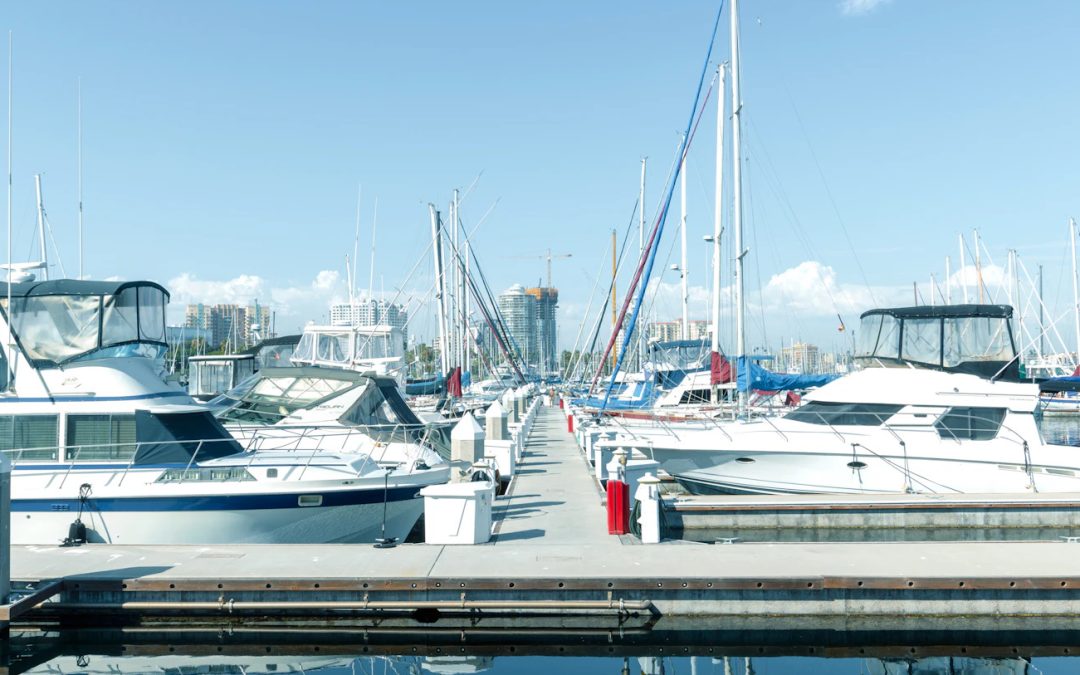
Boating is a cherished pastime for many, offering freedom, relaxation, and adventure. However, as with any valuable possession, boats are susceptible to theft and vandalism.
Protecting your vessel from these risks requires a proactive approach to boat security. In this comprehensive guide, we’ll explore the various threats to boat security and provide practical strategies and technologies to safeguard your investment and enjoy peace of mind on the water.
What to do if your boat is stolen
If your boat is stolen, it’s essential to act quickly and follow specific steps to increase the chances of recovery and minimize potential losses. Here’s what you should do if your boat is stolen:
- Contact Law Enforcement: Immediately report the theft to local law enforcement authorities. Provide them with detailed information about your boat, including its make, model, registration number, and any distinguishing features. Provide copies of relevant documents, such as the boat’s title, registration, and insurance information.
- Notify Your Insurance Company: Contact your boat insurance provider as soon as possible to report the theft and initiate the claims process. Provide them with the same detailed information you provided to law enforcement. Your insurance company will guide you through the claims process and may require documentation or evidence to support your claim.
- Alert Marina or Storage Facility: If your boat was stolen from a marina, storage facility, or other location, notify the management or security personnel immediately. They may have surveillance footage or other information that could help in the investigation.
- Spread the Word: Use social media and other channels to spread the word about the theft and ask for assistance from friends, family, and the boating community. Share photos and descriptions of your boat, along with any relevant information that could aid in its recovery.
- Monitor Online Marketplaces: Keep an eye on online marketplaces, classified ads, and social media groups where stolen boats are sometimes listed for sale. If you spot your boat or any suspicious listings, report them to law enforcement immediately.
- Work with Law Enforcement: Cooperate fully with law enforcement authorities throughout the investigation process. Provide any additional information or evidence they request, and follow their instructions closely.
- Consider Offering a Reward: If you’re able, consider offering a reward for information leading to the recovery of your boat. Sometimes, the promise of a reward can motivate individuals to come forward with valuable information.
- Stay Vigilant: Even after reporting the theft, continue to stay vigilant and actively monitor any developments in the case. Follow up with law enforcement regularly and provide any updates or new information that may arise.
- Document Everything: Keep detailed records of all communications, reports, and interactions related to the theft of your boat. This documentation may be useful for insurance claims and legal proceedings.
- Seek Support: Dealing with the theft of your boat can be stressful and overwhelming. Don’t hesitate to seek support from friends, family, or professional counselors if needed.
By taking these steps promptly and diligently, you can maximize the chances of recovering your stolen boat and holding the perpetrators accountable for their actions. Remember to stay patient and persistent throughout the process, and don’t hesitate to ask for help when needed.

Understanding the risk of your vessel being stolen
Before diving into security measures, it’s essential to understand the risks your boat faces. Theft and vandalism can occur in various settings, including marinas, docks, storage facilities, and even while moored in remote locations. Common threats include:
Theft of the Entire Vessel: Thieves may steal the entire boat, either for resale or to use in other criminal activities.

Theft of Equipment and Accessories: Valuable items such as electronics, engines, outboard motors, and personal belongings are often targeted by thieves.

Vandalism and Sabotage: Acts of vandalism, such as graffiti, slashing of upholstery, or damage to hulls, can occur for malicious reasons or as a result of opportunistic vandalism.
Proactive Security Measures
- Secure Mooring and Docking
Use sturdy and reliable dock lines and chains to secure your boat to the dock or mooring.
Consider installing a lockable mooring cover to prevent unauthorized access to the boat’s interior.
Utilize dock fenders and bumpers to protect the boat’s hull from damage caused by collisions or deliberate sabotage.

- Boat Locks:
Boat locks are physical security devices installed on doors, hatches, compartments, and other entry points to prevent unauthorized access. These locks come in various types and designs, each offering different levels of security and convenience. Here are some common types of boat locks:
Padlocks: Padlocks are versatile and widely used locks that can be attached to hasps, chains, or other locking mechanisms to secure doors, hatches, and storage compartments.
Deadbolt Locks: Deadbolt locks provide a high level of security by extending a solid metal bolt into the door frame or surrounding structure when locked. These locks are commonly used on cabin doors and high-security compartments.
Cam Locks: Cam locks are simple yet effective locks that utilize a rotating cam to secure doors and hatches. They are often used in conjunction with handles or latches to provide additional security.
Combination Locks: Combination locks offer keyless entry using a pre-set combination of numbers or letters. These locks are convenient and suitable for securing lockers, cabinets, and storage compartments.
Electronic Locks: Electronic locks, also known as keypad locks or smart locks, use electronic keypads or key fobs to grant access. Some electronic locks can be integrated with boat alarm systems for enhanced security and remote monitoring capabilities.


- Boat Alarms and Monitoring Systems
Boat alarm systems are electronic devices installed onboard to detect and deter unauthorized entry or activity. These systems typically include a combination of sensors and alarms designed to alert boat owners of potential security breaches.
Install a boat alarm system that includes sensors for motion detection, entry points (hatches, doors), and bilge flooding.
Consider investing in a GPS tracking system that allows you to monitor your boat’s location in real-time and receive alerts in case of unauthorized movement.
Some advanced monitoring systems can integrate with smartphone apps, providing remote access to security cameras and alarm notifications.
- Motion Sensors: Boat alarms often incorporate motion sensors that detect movement within the vessel’s interior. When activated, these sensors trigger an alarm to alert the boat owner or nearby individuals of suspicious activity.
- Entry Point Sensors: Many boat alarm systems include sensors installed on doors, hatches, and windows to detect unauthorized entry. These sensors can detect when a door or hatch is opened without authorization, triggering the alarm.
- Bilge Flood Sensors: Some advanced boat alarm systems include bilge flood sensors that detect water accumulation in the bilge area. This feature is particularly useful for preventing damage caused by bilge flooding or unauthorized access to the vessel’s interior.
- Audible and Visual Alarms: When a security breach is detected, boat alarms typically emit audible sirens or sound alerts to attract attention. Some systems also include visual indicators, such as flashing lights or strobes, to further enhance visibility and deterrence.
- Remote Monitoring: Many modern boat alarm systems offer remote monitoring capabilities, allowing boat owners to receive notifications and alerts on their smartphones or other mobile devices. This enables real-time monitoring of the vessel’s security status, even when the owner is away from the boat.

- Lighting and Visibility
Illuminate your boat’s exterior with motion-activated LED lights to deter potential intruders and make it easier to spot suspicious activity at night.
Ensure that marina or dock areas are well-lit, as darkness can provide cover for thieves and vandals.
Use reflective decals or signage to increase the visibility of your boat’s registration number, making it easier to identify and recover in case of theft.
- Secure Storage Facilities
When storing your boat on land, choose a secure facility with controlled access, surveillance cameras, and security patrols. Consider investing in a lockable storage unit or boat shed to provide an additional layer of protection against theft and vandalism.
If storing your boat at home, use security measures such as locked gates, perimeter fencing, and outdoor lighting to deter intruders.
Advanced Security Technologies
- Remote Monitoring and Surveillance
Install security cameras in strategic locations around your boat and marina, providing 24/7 surveillance and recording of activity.
Some surveillance systems offer remote access via smartphone apps, allowing you to view live footage and receive alerts of suspicious activity in real-time.
- Electronic Access Control
Implement electronic access control systems, such as keypad entry or biometric scanners, to restrict access to your boat’s interior and sensitive areas.
Electronic key fobs or RFID tags can be assigned to authorized personnel only, preventing unauthorized entry and minimizing the risk of theft or vandalism.
- Engine Immobilization Systems
Install engine immobilization systems that require a unique code or key fob to start the boat’s engine, preventing unauthorized use or theft.
Some systems can be integrated with GPS tracking technology, allowing you to remotely disable the engine and track the boat’s location in case of theft.

Community Engagement and Collaboration
- Neighbourhood Watch Programs
Participate in local boating and marina communities to establish neighbourhood watch programs and promote awareness of boat security issues.
Collaborate with fellow boat owners to share information, resources, and best practices for protecting against theft and vandalism.
- Reporting and Communication Channels
Establish clear communication channels with marina staff, law enforcement agencies, and boat insurance providers to report suspicious activity and coordinate response efforts.
Encourage boaters to report any incidents of theft or vandalism promptly, providing detailed descriptions and supporting evidence to aid in investigation and recovery efforts.
Conclusion
Protecting your boat from theft and vandalism requires a proactive and multi-layered approach to security. By implementing a combination of physical security measures, advanced technologies, and community engagement strategies, you can significantly reduce the risk of theft and vandalism and enjoy peace of mind both on and off the water. Remember to stay vigilant, stay informed, and stay connected with your boating community to ensure the safety and security of your vessel for years to come.